


Lymphadenopathy Associated With the COVID-19 Vaccine
- PMID: 33786231
- PMCID: PMC7994368
- DOI: 10.7759/cureus.13524
Lymphadenopathy Associated With the COVID-19 Vaccine
Abstract
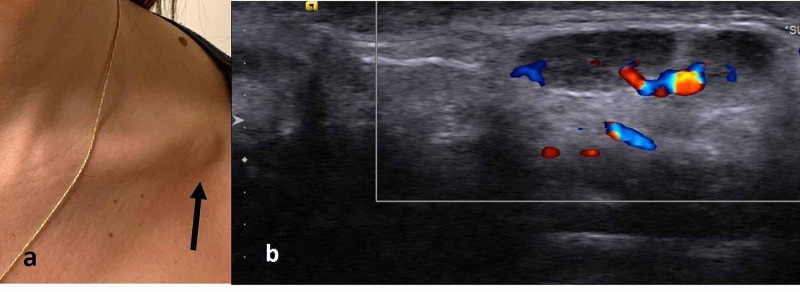
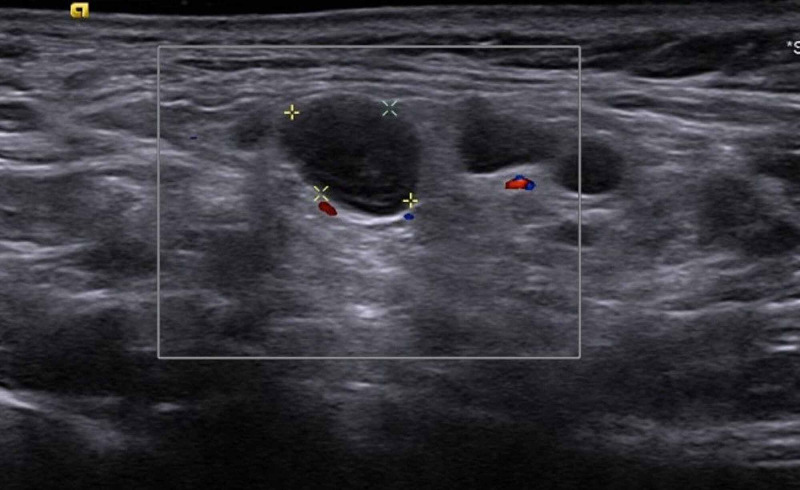
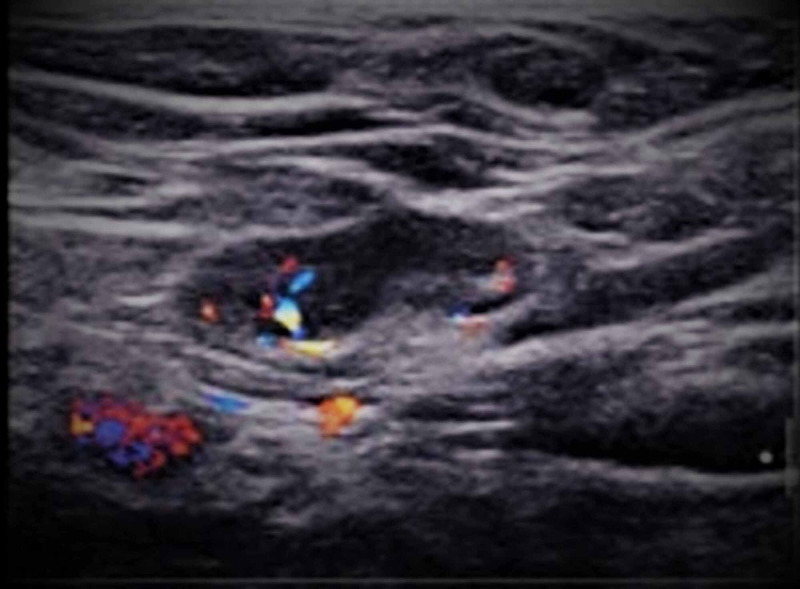
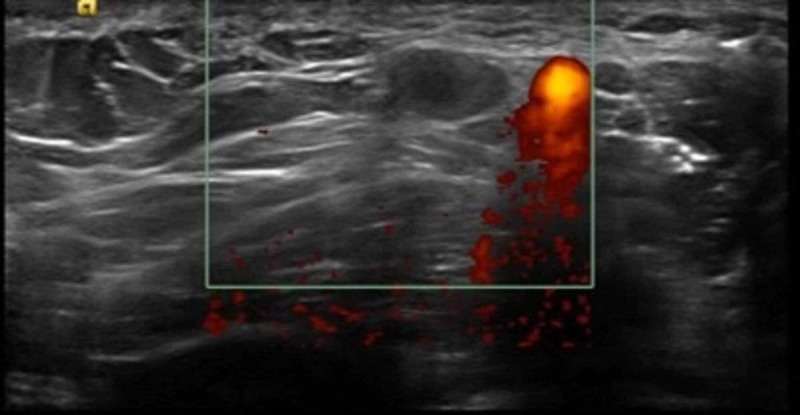
The coronavirus disease 2019 (COVID-19) pandemic has dominated nearly everyone's life since its initial outbreak in the Hubei province of China in December 2019. The disease had spread quickly throughout the world causing extensive, widespread morbidity, over two million deaths, and economical and social devastation over the entire world. Researchers and pharmaceutical companies around the globe have been racing to develop potent and safe vaccines for the disease. Pfizer-BioNTech COVID-19 vaccine followed by Moderna COVID-19 mRNA-1273 vaccine were the first to receive FDA approval. These vaccines are based on messenger RNA novel technology and considered efficient in preventing contagion ensuring safety. Known side effects for this vaccine have been reported as very similar to those known for other vaccines. Specifically, lymphadenopathy has not been considered a common manifestation of COVID-19 vaccination. Israel has been cited as leading in the introduction of these vaccines, which are available for every citizen older than 16 years. Here, we present the cases of three patients who developed lymphadenopathy after the first dose of Pfizer-BioNTech COVID-19 vaccine. Time elapsed from the injection until the appearance of the enlarged nodes, clinical symptoms, and sonographic features differed between the patients, but in all cases gradual regression was noted in the enlarged nodes until complete resolution. Accordingly, to our knowledge, this is the first report describing post-COVID-19 vaccine lymphadenopathy detailing the clinical aspects, sonographic features, and outcomes.
Keywords: covid-19; covid-19 vaccine; regional lymphadenopathy; side effects; ultrasound.
Copyright © 2021, Hiller et al.
Conflict of interest statement
The authors have declared that no competing interests exist.
Figures
References
-
- Messenger RNA-based vaccines against infectious diseases [Online ahead of print] Alameh MG, Weissman D, Pardi N. Curr Top Microbiol Immunol. 2020 - PubMed
-
- Fact sheet for recipients and caregivers: emergency use authorization (EUA) of the Pfizer-BioNTech COVID-19 vaccine to prevent coronavirus disease 2019 (COVID-19) in individuals 16 years of age and older. [Jan;2021 ];https://www.fda.gov/media/144414/download 2020
Publication types
LinkOut - more resources
Full Text Sources
Other Literature Sources