


Wide-awake Local Anesthesia with No Tourniquet: An Updated Review
- PMID: 33786267
- PMCID: PMC7997095
- DOI: 10.1097/GOX.0000000000003507
Wide-awake Local Anesthesia with No Tourniquet: An Updated Review
Abstract
The wide-awake local anesthesia with no tourniquet (WALANT) technique has become popularized for various hand/upper extremity procedures. Before surgery, patients receive local anesthetic, consisting of lidocaine with epinephrine, and remain awake for the entire procedure. The purpose of this review was to investigate the advantages, diverse application, outcomes, cost benefits, use in challenging environments, patient considerations, and contraindications associated with WALANT.
Methods: A comprehensive review of the literature on the WALANT technique was conducted. Search terms included: WALANT, wide-awake surgery, no tourniquet, local anesthesia, hand, wrist, cost, and safety.
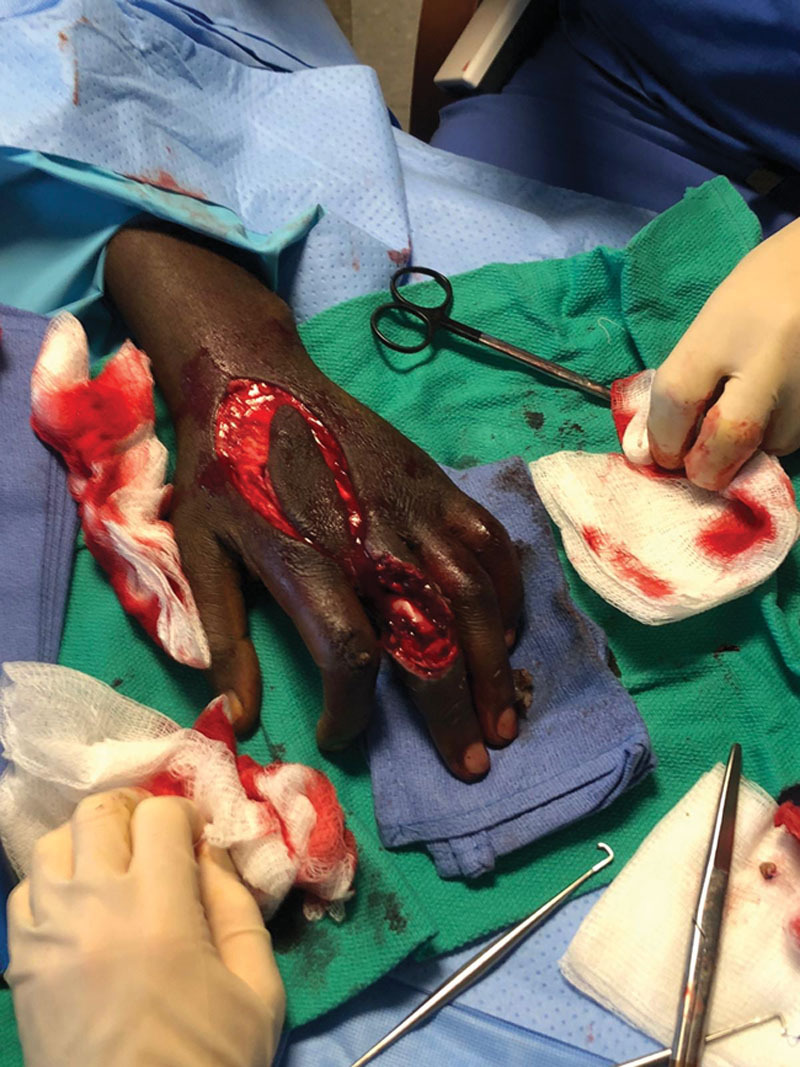
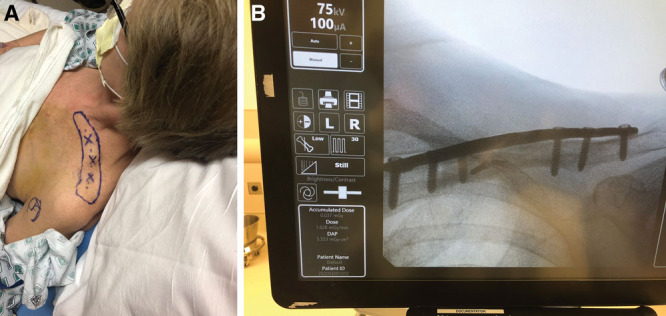
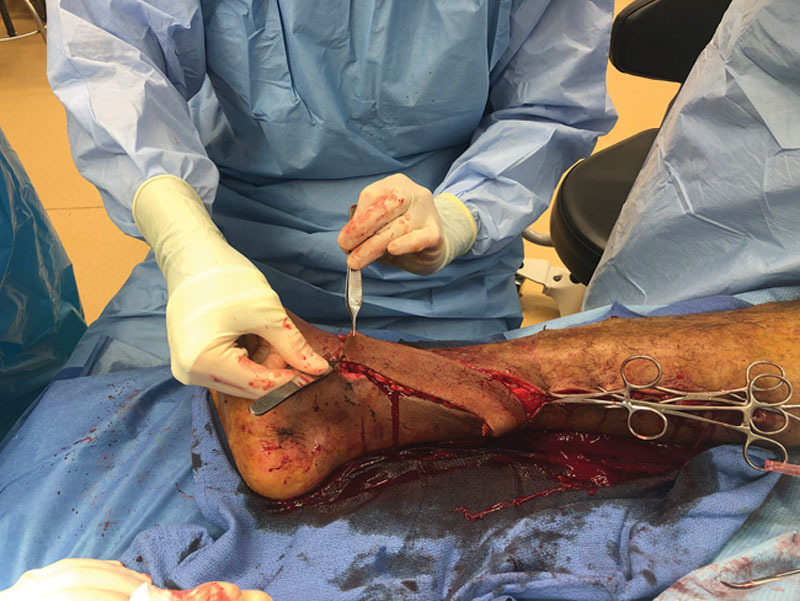
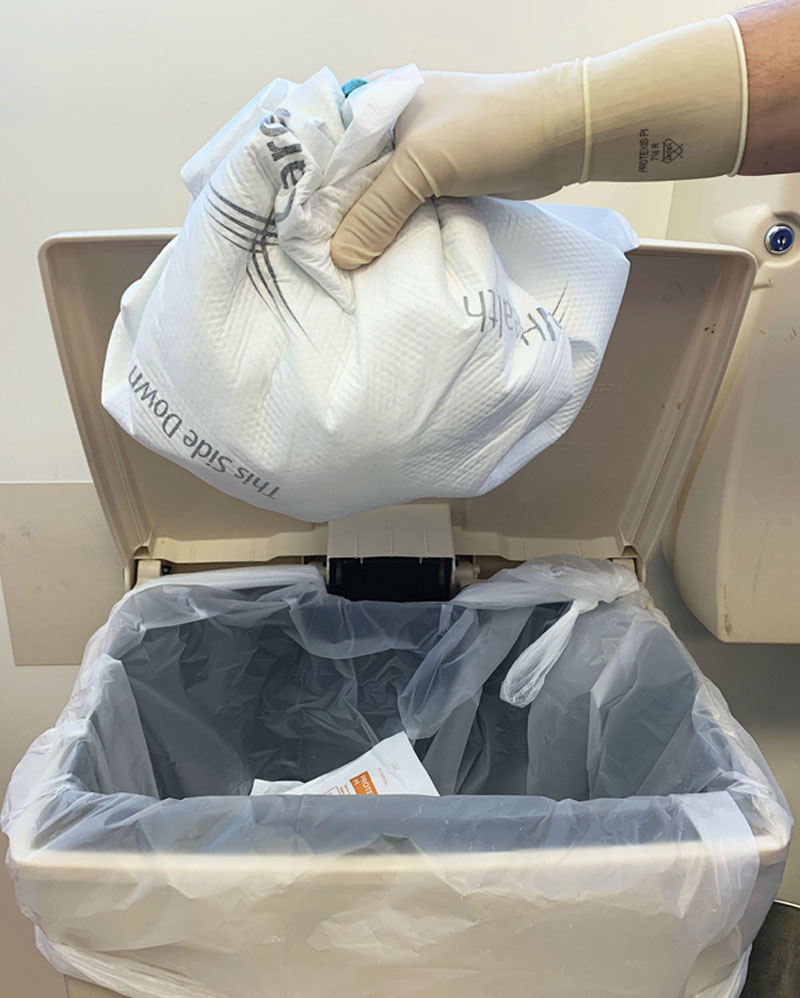
Results: The WALANT technique has proven to be successful for common procedures such as flexor tendon repair, tendon transfer, trigger finger releases, Depuytren disease, and simple bony procedures. Recently, the use of WALANT has expanded to more extensive soft-tissue repair, fracture management, and bony manipulation. Advantages include negating preoperative evaluation and testing for anesthesia clearance, eliminating risk of monitored anesthesia care, removal of anesthesia providers and ancillary staff, significant cost savings, and less waste produced. Intraoperative evaluations can be performed through active patient participation, and postoperative recovery and monitoring time are reduced. WALANT is associated with high patient satisfaction rates and low infection rates.
Conclusions: The WALANT technique has proven to be valuable to both patients and providers, optimizing patient satisfaction and providing substantial healthcare savings. As its application continues to grow, current literature suggests positive outcomes.
Copyright © 2021 The Authors. Published by Wolters Kluwer Health, Inc. on behalf of The American Society of Plastic Surgeons.
Conflict of interest statement
Figures
References
-
- Lalonde D, Bell M, Benoit P, et al. A multicenter prospective study of 3,110 consecutive cases of elective epinephrine use in the fingers and hand: The Dalhousie Project clinical phase. J Hand Surg Am. 2005; 30:1061–1067 - PubMed
-
- Lalonde D, Martin A. Epinephrine in local anesthesia in finger and hand surgery: the case for wide-awake anesthesia. J Am Acad Orthop Surg. 2013; 21:443–447 - PubMed
-
- Gunasagaran J, Sean ES, Shivdas S, et al. Perceived comfort during minor hand surgeries with wide awake local anaesthesia no tourniquet (WALANT) versus local anaesthesia (LA)/tourniquet. J Orthop Surg (Hong Kong). 2017; 25:2309499017739499. - PubMed
Publication types
LinkOut - more resources
Full Text Sources
Other Literature Sources
Research Materials