


Patient-Derived Xenografts as an Innovative Surrogate Tumor Model for the Investigation of Health Disparities in Triple Negative Breast Cancer
- PMID: 33786503
- PMCID: PMC7784803
- DOI: 10.1089/whr.2020.0037
Patient-Derived Xenografts as an Innovative Surrogate Tumor Model for the Investigation of Health Disparities in Triple Negative Breast Cancer
Abstract
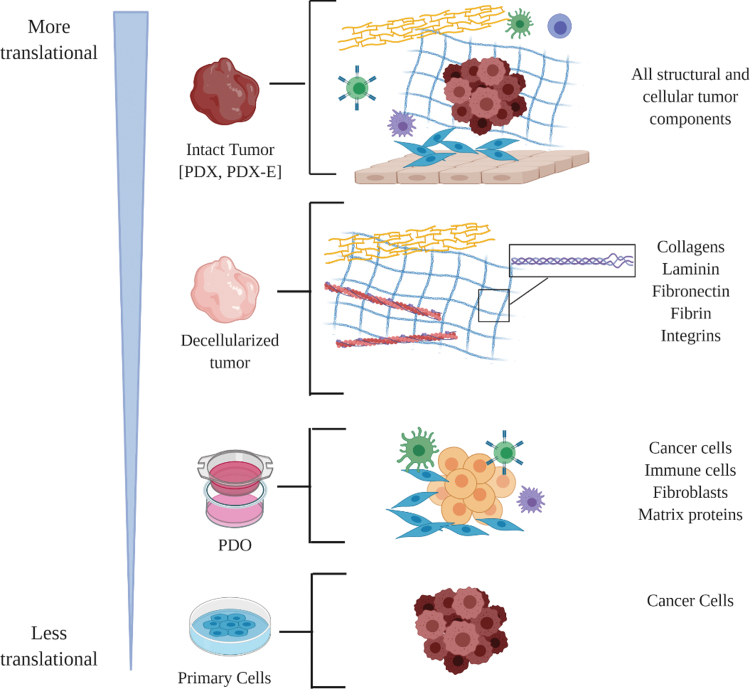
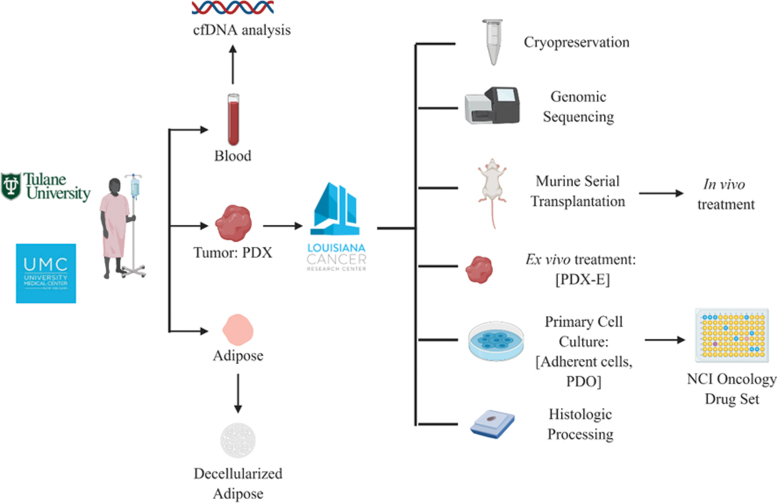
Despite a decline in overall incidence rates for cancer in the past decade, due in part to impressive advancements in both diagnosis and treatment, breast cancer (BC) remains the leading cause of cancer-related deaths in women. BC alone accounts for ∼30% of all new cancer diagnoses in women worldwide. Triple-negative BC (TNBC), defined as having no expression of the estrogen or progesterone receptors and no amplification of the HER2 receptor, is a subtype of BC that does not benefit from the use of estrogen receptor-targeting or HER2-targeting therapies. Differences in socioeconomic factors and cell intrinsic and extrinsic characteristics have been demonstrated in Black and White TNBC patient tumors. The emergence of patient-derived xenograft (PDX) models as a surrogate, translational, and functional representation of the patient with TNBC has led to the advances in drug discovery and testing of novel targeted approaches and combination therapies. However, current established TNBC PDX models fail to represent the diverse patient population and, most importantly, the specific ethnic patient populations that have higher rates of incidence and mortality. The primary aim of this review is to emphasize the importance of using clinically relevant translatable tumor models that reflect TNBC human tumor biology and heterogeneity in high-risk patient populations. The focus is to highlight the complexity of BC as it specifically relates to the management of TNBC in Black women. We discuss the importance of utilizing PDX models to study the extracellular matrix (ECM), and the distinct differences in ECM composition and biophysical properties in Black and White women. Finally, we demonstrate the crucial importance of PDX models toward novel drug discovery in this patient population.
Keywords: African ancestry; extracellular matrix; health disparities; metastasis; patient-derived xenograft; triple-negative breast cancer.
© Margarite D. Matossian et al. 2020; Published by Mary Ann Liebert, Inc.
Conflict of interest statement
No competing financial interests exist.
Figures
References
-
- Siegel RL, Miller KD, Jemal A. Cancer Statistics, 2019. CA Cancer J Clin 2019;69:7–34 - PubMed
-
- Bray F, Ferlay J, Soerjomataram I, Siegel RL, Torre LA, Jemal A. Global cancer statistics 2018: GLOBOCAN estimates of incidence and mortality worldwide for 36 cancers in 185 countries. Cancer J Clin 2018;68:394–424 - PubMed
Publication types
Grants and funding
LinkOut - more resources
Full Text Sources
Research Materials
Miscellaneous