


New Pharmacologic Approaches to Bronchopulmonary Dysplasia
- PMID: 33790663
- PMCID: PMC8006962
- DOI: 10.2147/JEP.S262350
New Pharmacologic Approaches to Bronchopulmonary Dysplasia
Abstract
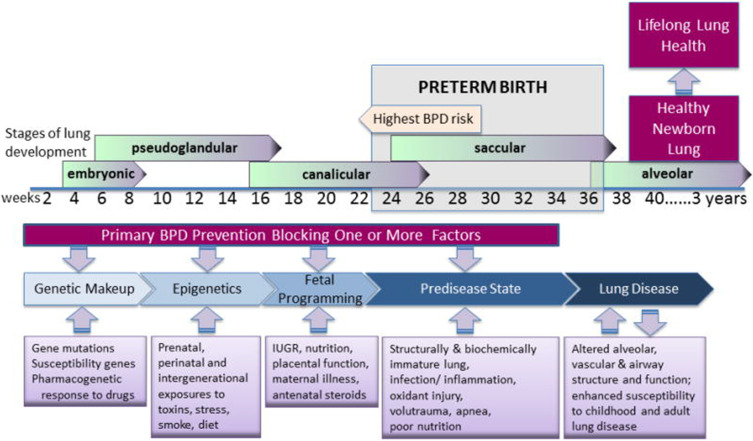
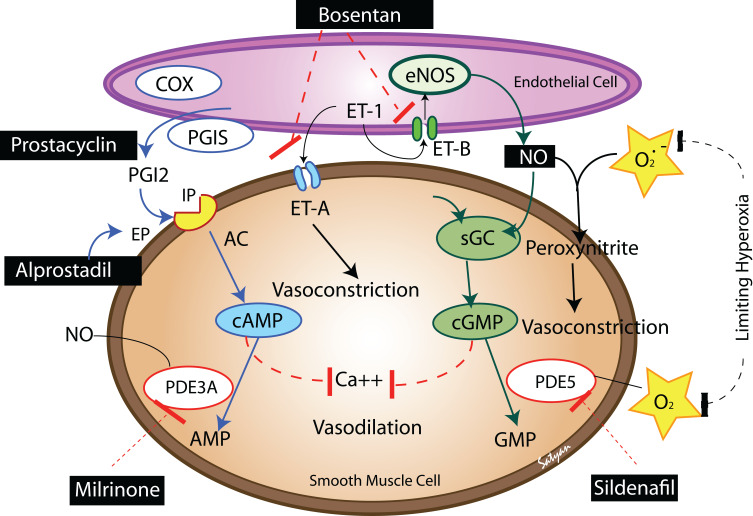
Bronchopulmonary Dysplasia is the most common long-term respiratory morbidity of preterm infants, with the risk of development proportional to the degree of prematurity. While its pathophysiologic and histologic features have changed over time as neonatal demographics and respiratory therapies have evolved, it is now thought to be characterized by impaired distal lung growth and abnormal pulmonary microvascular development. Though the exact sequence of events leading to the development of BPD has not been fully elucidated and likely varies among patients, it is thought to result from inflammatory and mechanical/oxidative injury from chronic ventilatory support in fragile, premature lungs susceptible to injury from surfactant deficiency, structural abnormalities, inadequate antioxidant defenses, and a chest wall that is more compliant than the lung. In addition, non-pulmonary issues may adversely affect lung development, including systemic infections and insufficient nutrition. Once BPD has developed, its management focuses on providing adequate gas exchange while promoting optimal lung growth. Pharmacologic strategies to ameliorate or prevent BPD continue to be investigated. A variety of agents, to be reviewed henceforth, have been developed or re-purposed to target different points in the pathways that lead to BPD, including anti-inflammatories, diuretics, steroids, pulmonary vasodilators, antioxidants, and a number of molecules involved in the cell signaling cascade thought to be involved in the pathogenesis of BPD.
Keywords: bronchopulmonary dysplasia; chronic lung disease; pharmacologic management; prematurity; pulmonary hypertension; respiratory distress.
© 2021 Roberts et al.
Conflict of interest statement
The authors report no conflicts of interest in this work.
Figures
References
Publication types
LinkOut - more resources
Full Text Sources
Other Literature Sources
