


Classical Active Ingredients and Extracts of Chinese Herbal Medicines: Pharmacokinetics, Pharmacodynamics, and Molecular Mechanisms for Ischemic Stroke
- PMID: 33791075
- PMCID: PMC7984881
- DOI: 10.1155/2021/8868941
Classical Active Ingredients and Extracts of Chinese Herbal Medicines: Pharmacokinetics, Pharmacodynamics, and Molecular Mechanisms for Ischemic Stroke
Abstract
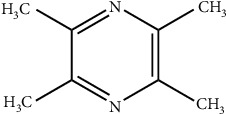
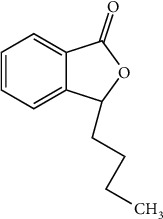
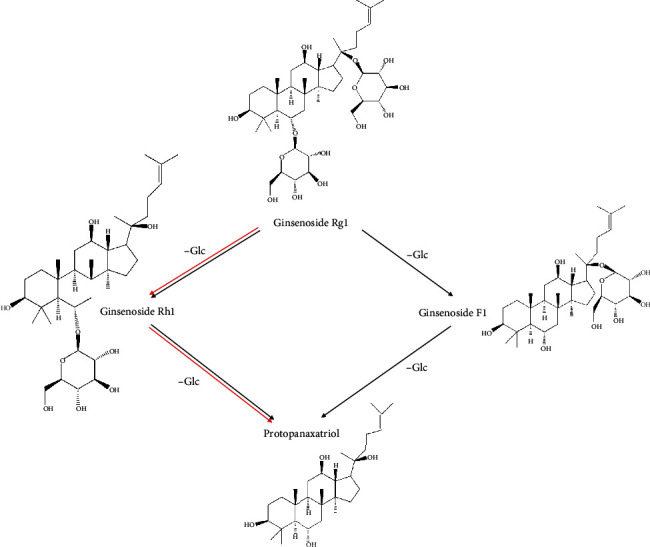
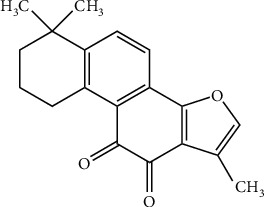
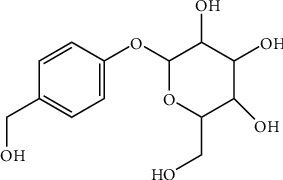
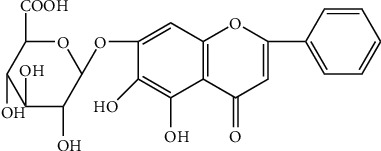
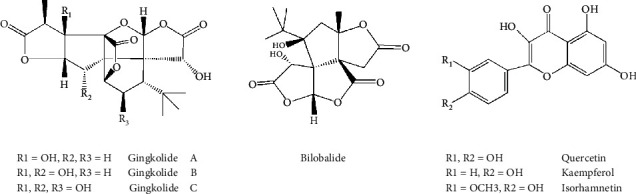
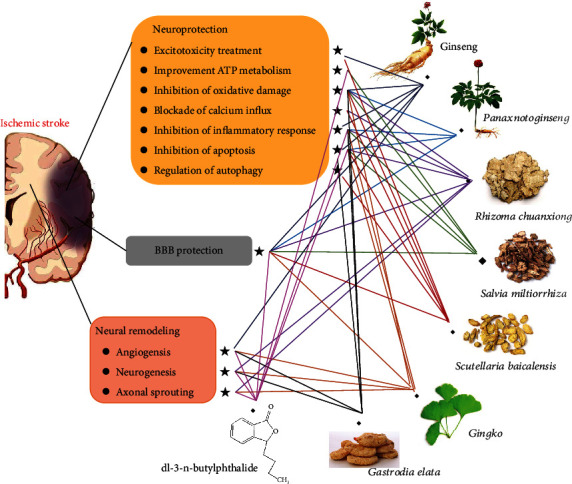
Stroke is a leading cause of death and disability worldwide, and approximately 87% of cases are attributed to ischemia. The main factors that cause ischemic stroke include excitotoxicity, energy metabolism disorder, Ca+ overload, oxidative damage, apoptosis, autophagy, and inflammation. However, no effective drug is currently available for the comprehensive treatment of ischemic stroke in clinical applications; thus, there is an urgent need to find and develop comprehensive and effective drugs to treat postischemic stroke. Traditional Chinese medicine (TCM) has unique advantages in treating ischemic stroke, with overall regulatory effects at multiple levels and on multiple targets. Many researchers have studied the effective components of TCMs and have achieved undeniable results. This paper reviews studies on the anticerebral ischemia effects of TCM monomers such as tetramethylpyrazine (TMP), dl-3-n-butylphthalide (NBP), ginsenoside Rg1 (Rg1), tanshinone IIA (TSA), gastrodin (Gas), and baicalin (BA) as well as effective extracts such as Ginkgo biloba extract (EGB). Research on the anticerebral ischemia effects of TCMs has focused mostly on their antioxidative stress, antiapoptotic, anti-inflammatory, proangiogenic, and proneurogenic effects. However, the research on the use of TCM to treat ischemic stroke remains incompletely characterized. Thus, we summarized and considered this topic from the perspective of pharmacokinetics, pharmacological effects, and mechanistic research, and we have provided a reference basis for future research and development on anticerebral ischemia TCM drugs.
Copyright © 2021 Ting Zhu et al.
Conflict of interest statement
The authors declare no conflicts of interest.
Figures

References
Publication types
MeSH terms
Substances
LinkOut - more resources
Full Text Sources
Other Literature Sources
Medical
Research Materials
