


Physiology, pathophysiology and (mal)adaptations to chronic apnoeic training: a state-of-the-art review
- PMID: 33791844
- PMCID: PMC8144079
- DOI: 10.1007/s00421-021-04664-x
Physiology, pathophysiology and (mal)adaptations to chronic apnoeic training: a state-of-the-art review
Abstract
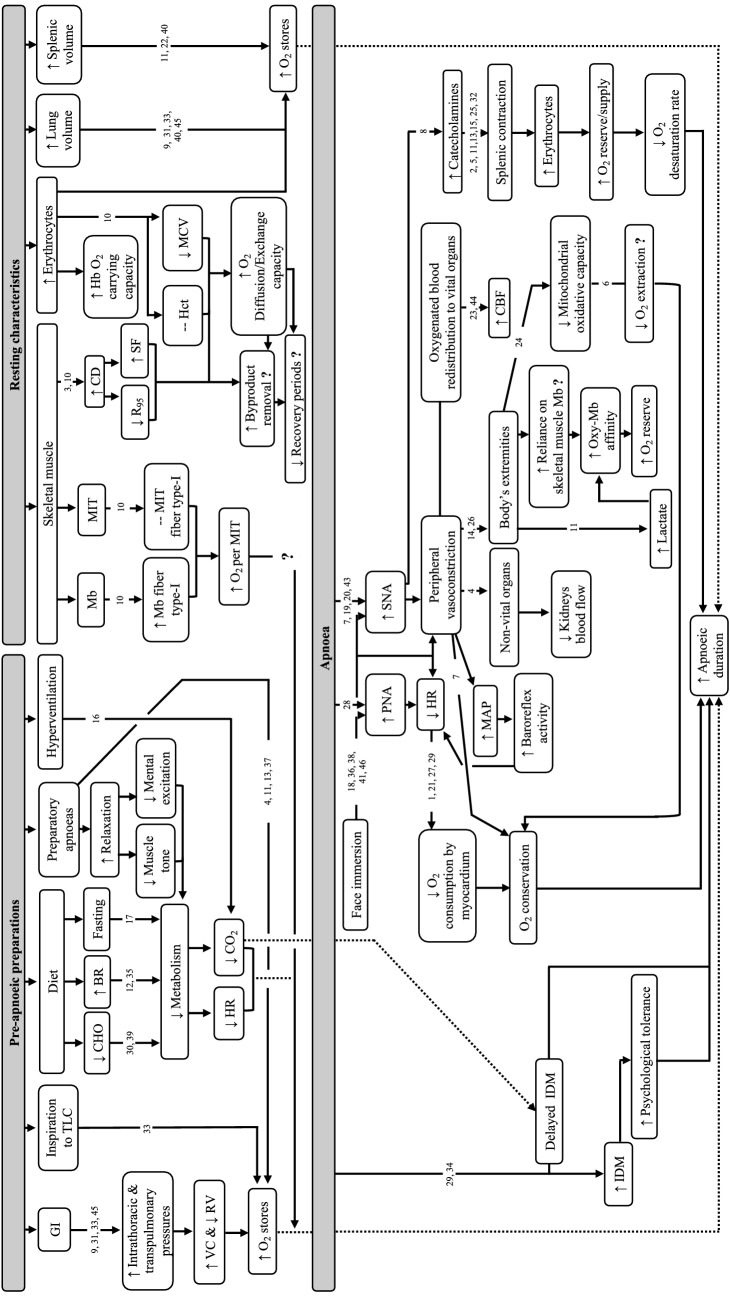
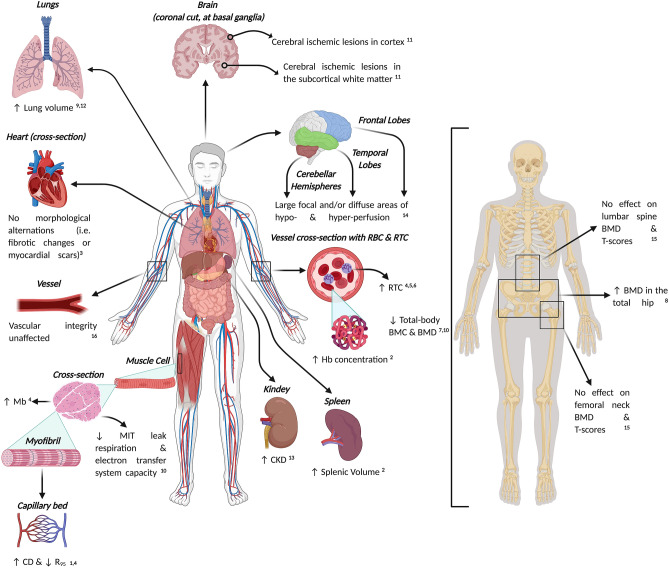
Breath-hold diving is an activity that humans have engaged in since antiquity to forage for resources, provide sustenance and to support military campaigns. In modern times, breath-hold diving continues to gain popularity and recognition as both a competitive and recreational sport. The continued progression of world records is somewhat remarkable, particularly given the extreme hypoxaemic and hypercapnic conditions, and hydrostatic pressures these athletes endure. However, there is abundant literature to suggest a large inter-individual variation in the apnoeic capabilities that is thus far not fully understood. In this review, we explore developments in apnoea physiology and delineate the traits and mechanisms that potentially underpin this variation. In addition, we sought to highlight the physiological (mal)adaptations associated with consistent breath-hold training. Breath-hold divers (BHDs) are evidenced to exhibit a more pronounced diving-response than non-divers, while elite BHDs (EBHDs) also display beneficial adaptations in both blood and skeletal muscle. Importantly, these physiological characteristics are documented to be primarily influenced by training-induced stimuli. BHDs are exposed to unique physiological and environmental stressors, and as such possess an ability to withstand acute cerebrovascular and neuronal strains. Whether these characteristics are also a result of training-induced adaptations or genetic predisposition is less certain. Although the long-term effects of regular breath-hold diving activity are yet to be holistically established, preliminary evidence has posed considerations for cognitive, neurological, renal and bone health in BHDs. These areas should be explored further in longitudinal studies to more confidently ascertain the long-term health implications of extreme breath-holding activity.
Keywords: Apnoea; Bone health; Breath-hold diving; Haematology; Skeletal muscle; Spleen.
Conflict of interest statement
The authors have no conflict of interest to declare.
Figures
References
-
- AIDA (2021) World Records. https://www.aidainternational.org. Accessed 12 Jan 2021
Publication types
MeSH terms
LinkOut - more resources
Full Text Sources
Other Literature Sources
Research Materials
