


Paraesophageal hernia and iron deficiency anemia: Mechanisms, diagnostics and therapy
- PMID: 33796212
- PMCID: PMC7993000
- DOI: 10.4240/wjgs.v13.i3.222
Paraesophageal hernia and iron deficiency anemia: Mechanisms, diagnostics and therapy
Abstract
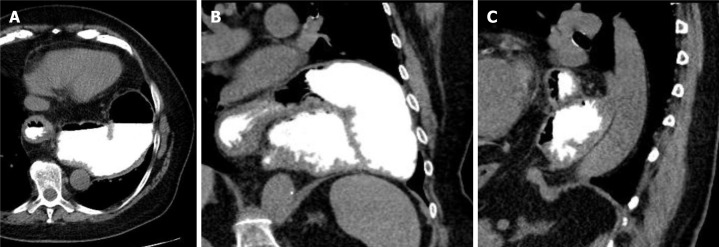
There is ample clinical evidence suggesting that the presence of large axial or paraesophageal hernias may lead to iron deficiency anemia. So-called Cameron lesions, as well as other small mucosa erosions, in the sliding area of these diaphragmatic hernias lead to invisible chronic blood loss and consequently to iron depletion. While the spectrum of symptoms in these patients is large, anemia is often not the only indication and typically not the primary indication for surgical correction of diaphragmatic hernias. Drug treatment with proton pump inhibitors and iron substitution can alleviate anemia, but this is not always successful. To exclude other possible bleeding sources in the gastrointestinal tract, a comprehensive diagnostic program is necessary and reviewed in this manuscript. Additionally, we discuss controversies in the surgical management of paraesophageal hernias.
Keywords: Cameron lesions; Iron deficiency anemia; Paraesophageal hernia; Upside-down stomach.
©The Author(s) 2021. Published by Baishideng Publishing Group Inc. All rights reserved.
Conflict of interest statement
Conflict-of-interest statement: The authors declare no conflict of interests.
Figures



References
-
- Vannella L, Aloe Spiriti MA, Di Giulio E, Lahner E, Corleto VD, Monarca B, Delle Fave G, Annibale B. Upper and lower gastrointestinal causes of iron deficiency anemia in elderly compared with adult outpatients. Minerva Gastroenterol Dietol. 2010;56:397–404. - PubMed
-
- Cabot RC, Painter FM. Case 15022: Treatment in an Obscure Gastric Case. N Engl J Med. 1929;200:88–92.
-
- Bock AV, Dulin JW, Brooke PA. Diaphragmatic Hernia and Secondary Anemia; Ten Cases. N Engl J Med. 1933;209:615–625.
-
- Schwartz SO, Blumenthal SA. Diaphragmatic hiatus hernia with sever iron-deficient anemia. Am J Med. 1949;7:501–510. - PubMed
Publication types
LinkOut - more resources
Full Text Sources
Other Literature Sources
