. 2021 Mar 8;10(3):594.
doi: 10.3390/cells10030594.

Facial Rejuvenation with Concentrated Lipograft-A 12 Month Follow-Up Study

Affiliations

Facial Rejuvenation with Concentrated Lipograft-A 12 Month Follow-Up Study

Lukas Prantl et al. Cells. .

Abstract

Lipofilling is a popular technique to treat volume loss in aging patients. The isolated adipose tissue is composed of adipocytes and stromal vascular fraction cells, which include adipose-derived stem cells (ASC). We hypothesize that the patient's wrinkle severity scale (WSS) and patient's satisfaction on the global aesthetic improvement scale (GAIS) can be improved after using concentrated lipoaspirate. Fourteen patients (54 years ± 11.09 years) with volume loss in the midface area underwent waterjet-assisted liposuction (Human Med AG, Schwerin, Germany). Fat was centrifuged in an ACP Double Syringe (Arthrex GmbH, Munich, Germany) using Rotofix 32A centrifuge (Andreas Hettich, GmbH & Co.KG, Tuttlingen, Germany). Homogenization was performed using the double syringe and a 1.4 mm female-female luerlock connector. After a second centrifugation, patients received periorbital (PO) and nasolabial (NL) lipografting. ASC count was performed after enzymatical digestion. Vitality of cells was assessed using a resazurin assay. During long-term follow up (12 months, n = 10), we found a high patient's satisfaction (GAIS 1+/-0.52) and a good improvement of the WSS during short- and long-term follow-up. The ASC count of processed lipoaspirate was 2.1-fold higher than of unprocessed lipoaspirate (p < 0.001). The difference of ASC in sedimented and simply centrifuged lipoaspirate was also significant (p < 0.05). Facial rejuvenation with concentrated fat graft offers good results concerning objective aesthetic outcome and patient's satisfaction.

Keywords: adipose-derived stem cells; facial rejuvenation; fat grafting; patient’s satisfaction; stromal vascular fraction.


Conflict of interest statement

The lipo-collecting, processing, and injecting cannulas were provided by Arthrex®. Author L.P. has received research grants from Arthrex® and has been involved as a consultant and expert witness for Arthrex®. The other authors declare no conflicts of interests. The funder had no role in the design of the study; in the collection, analyses, or interpretation of data; in the writing of the manuscript, or in the decision to publish the results.

Figures
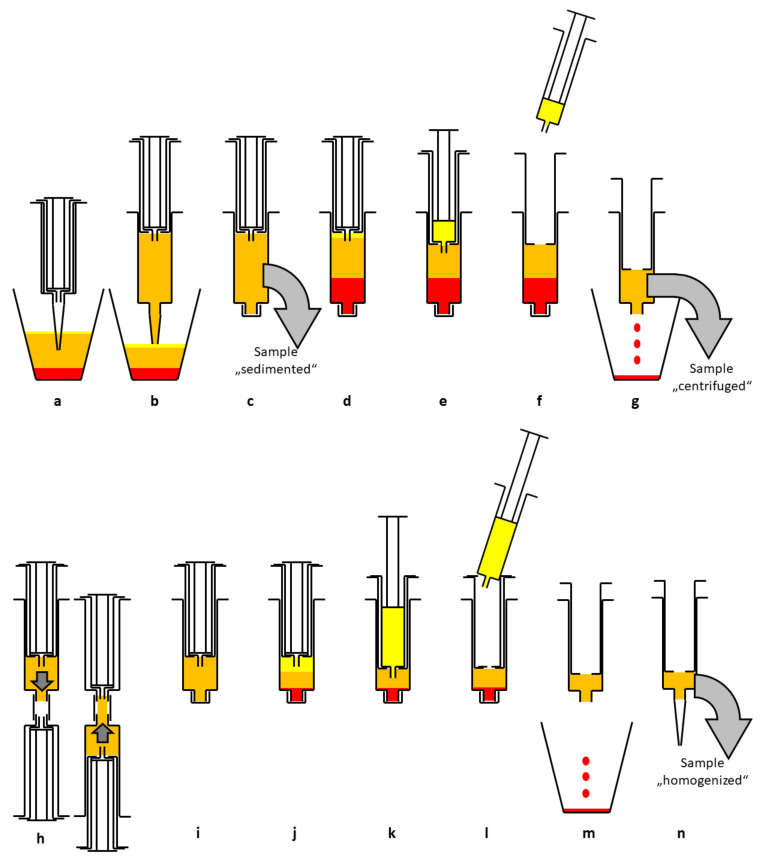
Figure 1
Figure 1
Schematic diagram of the enrichment process. After sedimentation in the suction container (a) lipoaspirate is transferred to a 15 mL double syringe (b). The sample “sedimented” is taken for analysis (c). After centrifugation (2500 rpm, 4 min) three layers can be seen (d). The upper oil phase is transferred to the small inner syringe (e) and discarded (f). The blood and tumescent solution are discarded as well (g). The sample “centrifuged” is taken for analysis. The syringe is connected to a Tulip-1.4-mm connector and another syringe and the lipoaspirate is emulsified by forcing it through the connector at least 10 times (h). The now homogenized lipoaspirate (i) is centrifuged again at 2500 rpm for 4 min, resulting in three layers (j). The upper oil phase from disrupted adipocytes is transferred to the small inner syringe (k) and discarded (l). The aqueous phase is discarded, too (m). The remaining lipoaspirate contains a high percentage of ASCs and is ready for lipofilling (n). The sample “homogenized” is taken for analysis.
Figure 2
Figure 2
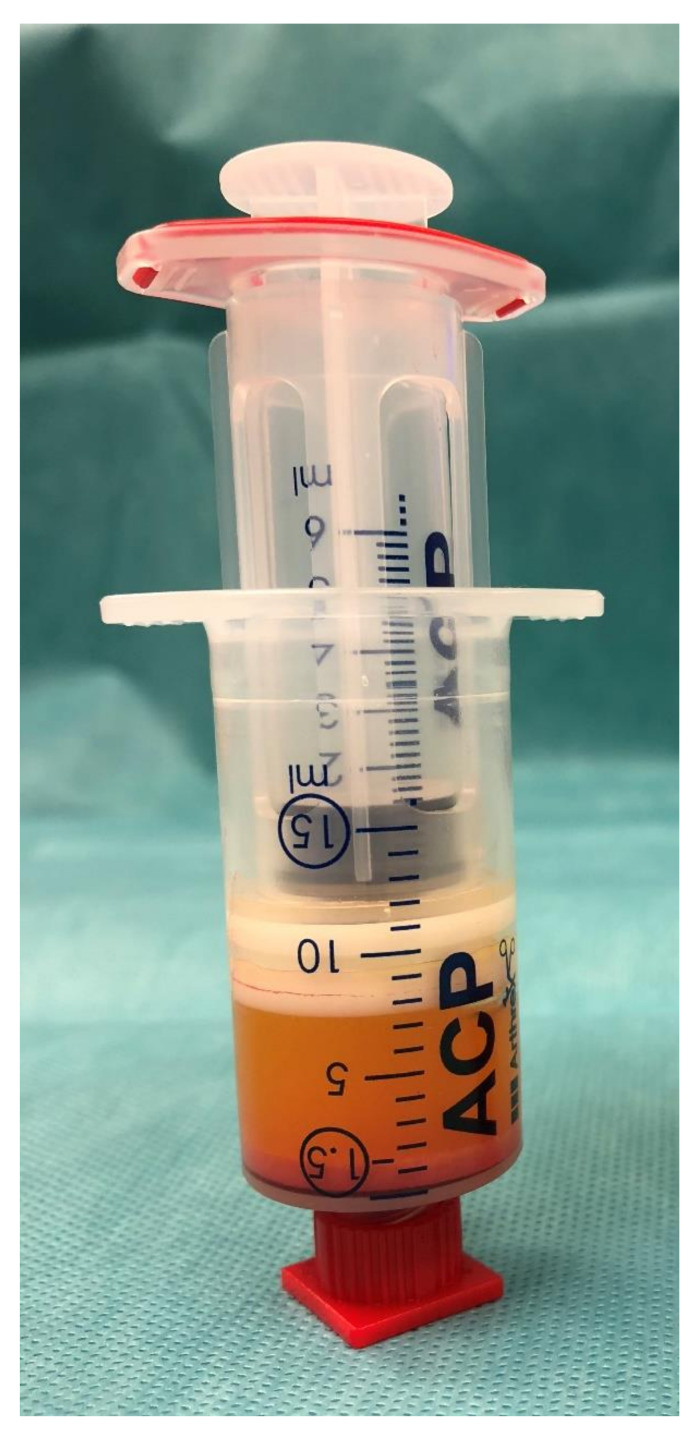
Emulsified, homogenized fat graft with oily phase and cell pellet at the bottom.
Figure 3
Figure 3
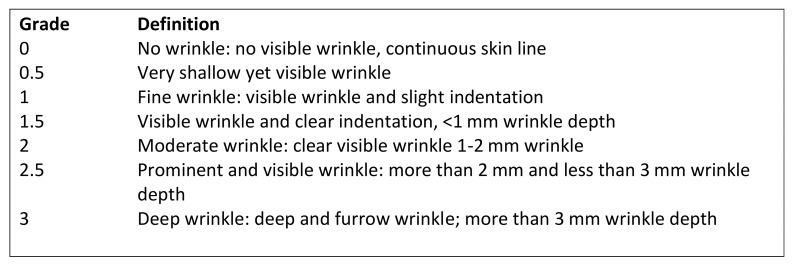
Wrinkle severity scale for nasolabial or periorbital folds (WSS).
Figure 4
Figure 4
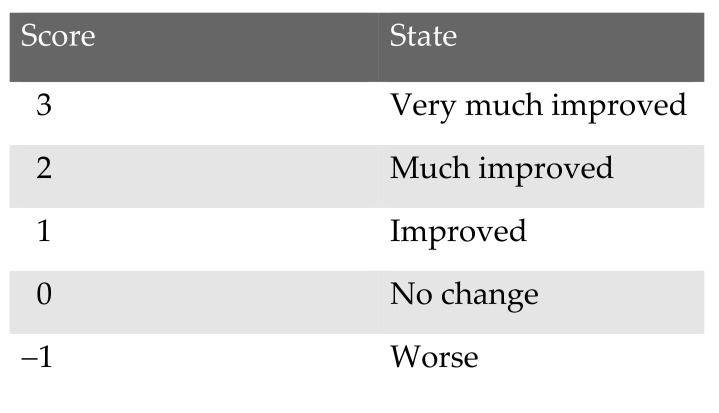
Patient’s satisfaction measured by global aesthetic improvement scale (GAIS).
Figure 5
Figure 5
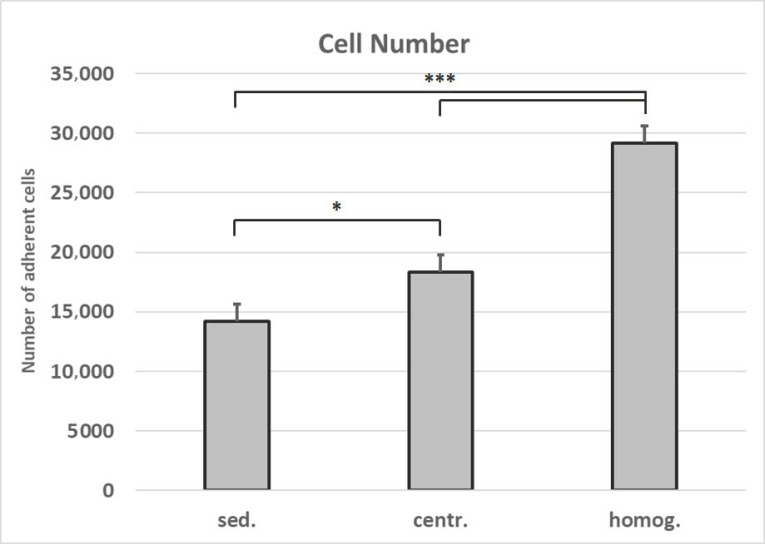
Number of cells isolated from varying tissue processings. Mean values and standard deviations are shown. Student’s test was used to assess statistical significance (* p < 0.05; *** p < 0.001). (sed.: sedimented; centr.: centrifuged; homog.: homogenized).
Figure 6
Figure 6
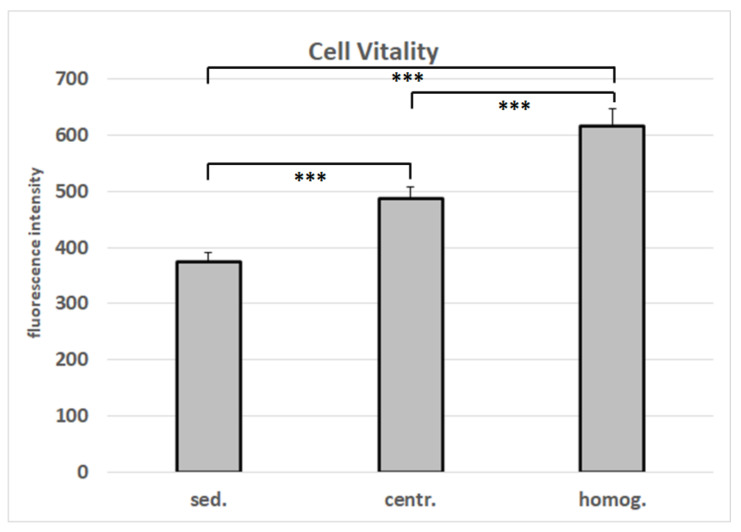
Vitality of cells isolated from varying tissue processings. Mean values and standard deviations are shown. Student’s t-test was used to assess statistical significance (*** p < 0.001). (sed.: sedimented; centr.: centrifuged; homog.: homogenized).
Figure 7
Figure 7
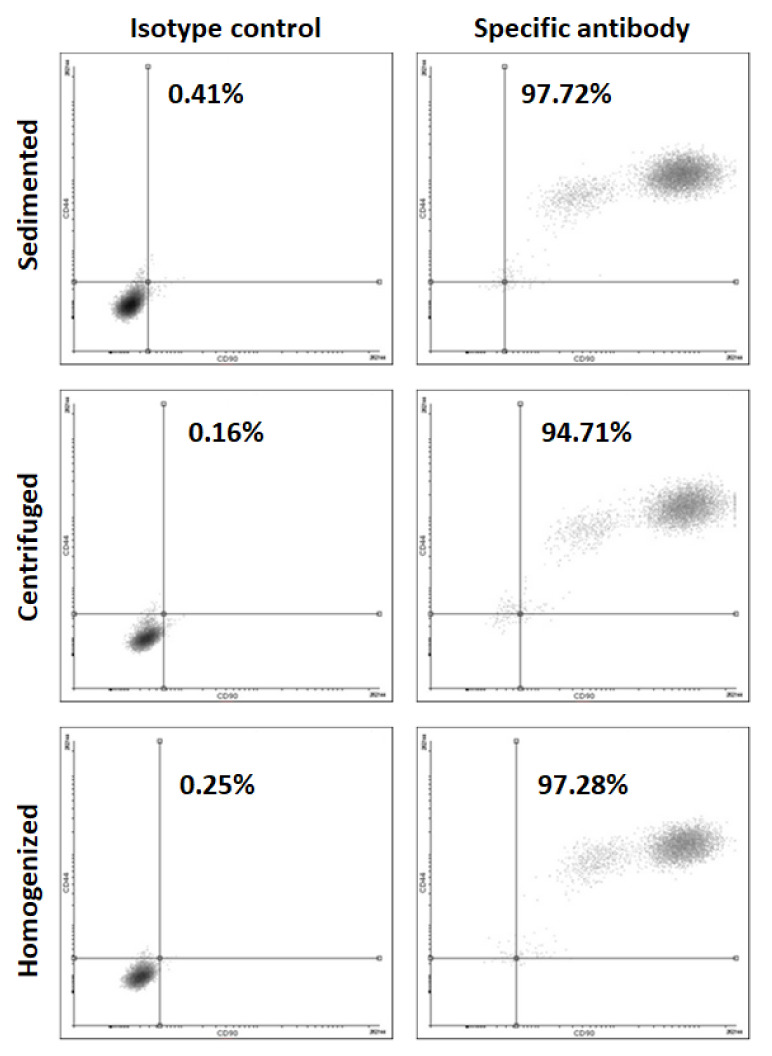
Flow cytometry for MSC marker CD 44 for the cells isolated from varying tissue processings.
Figure 8
Figure 8
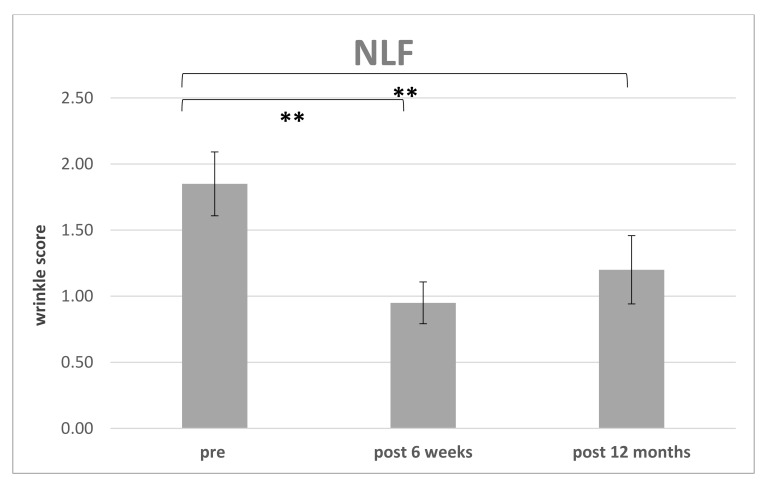
Improvement of the wrinkle severity scale related to the nasolabial fold (NLF): Comparison of WSS preoperative to 6 weeks and 12 months postoperative (** p < 0.01).
Figure 9
Figure 9
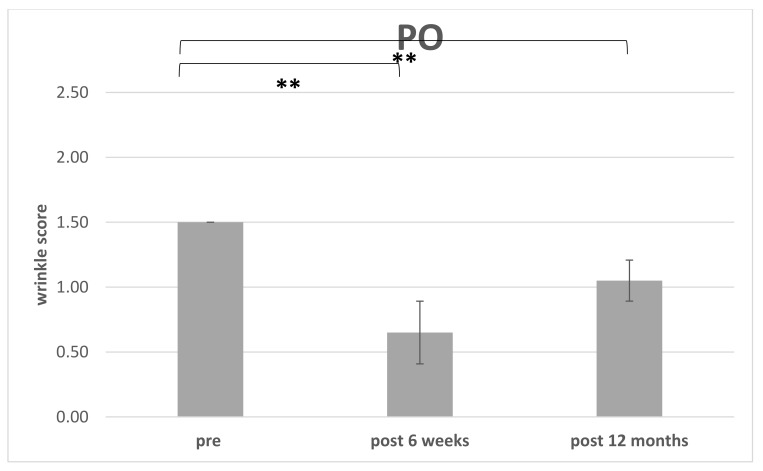
Improvement of the wrinkle severity scale related to the periorbital fold (PO): Comparison of WSS preoperative to 6 weeks and 12 months postoperative (** p < 0.01).
Figure 10
Figure 10
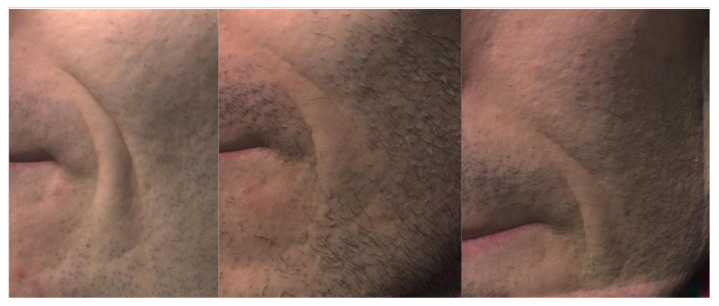
Comparison of preoperative and postoperative photography based on the nasolabial fold (patient no. 6); Left: NLF preoperative (WW 2); middle: NLF after injection of 1,5 cc after 6 weeks (WWS 1); right: NLF after 12 months (WWS 1.5)

References

    1. Coleman S.R. Structural fat grafts: The ideal filler? Clin. Plast. Surg. 2001;28:111–119. doi: 10.1016/S0094-1298(20)32343-9. - DOI - PubMed
    1. Coleman S.R. Structural fat grafting: More than a permanent filler. Plast. Reconstr. Surg. 2006;118 (Suppl. 3):108S–120S. doi: 10.1097/01.prs.0000234610.81672.e7. - DOI - PubMed
    1. Bucky L.P., Kanchwala S.K. The role of autologous fat and alternative fillers in the aging face. Plast. Reconstr. Surg. 2007;120 (Suppl. 6):89S–97S. doi: 10.1097/01.prs.0000248866.57638.40. - DOI - PubMed
    1. Carraway J.H., Mellow C.G. Syringe aspiration and fat concentration: A simple technique for autologous fat injection. Ann. Plast. Surg. 1990;24:293–296. doi: 10.1097/00000637-199003000-00018. - DOI - PubMed
    1. Prantl L., Schreml J., Gehmert S., Klein S., Bai X., Zeitler K., Stephan S., Eckhard A., Sanga G., Oliver F. Transcription Profile in Sporadic Multiple Symmetric Lipomatosis Reveals Differential Expression at the Level of Adipose Tissue-Derived Stem Cells. Plast. Reconstr. Surg. 2016;137:1181–1190. doi: 10.1097/PRS.0000000000002013. - DOI - PubMed

Publication types

MeSH terms