


Steatitis in Cold-Stunned Kemp's Ridley Sea Turtles (Lepidochelys kempii)
- PMID: 33801097
- PMCID: PMC8004043
- DOI: 10.3390/ani11030898
Steatitis in Cold-Stunned Kemp's Ridley Sea Turtles (Lepidochelys kempii)
Erratum in
-
Correction: Turner et al. Steatitis in Cold-Stunned Kemp's Ridley Sea Turtles (Lepidochelys kempii). Animals 2021, 11, 898.Animals (Basel). 2022 Apr 28;12(9):1129. doi: 10.3390/ani12091129. Animals (Basel). 2022. PMID: 35565650 Free PMC article.
Abstract
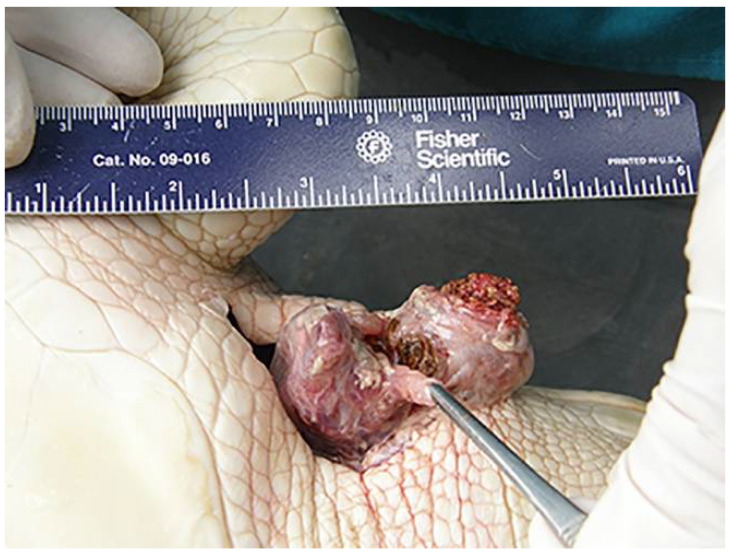
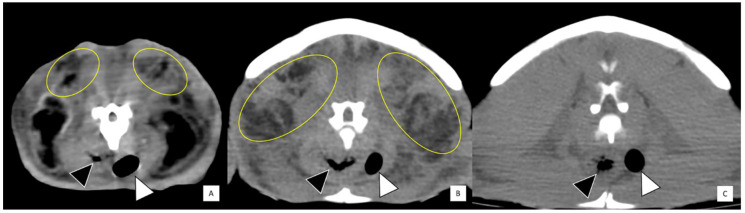
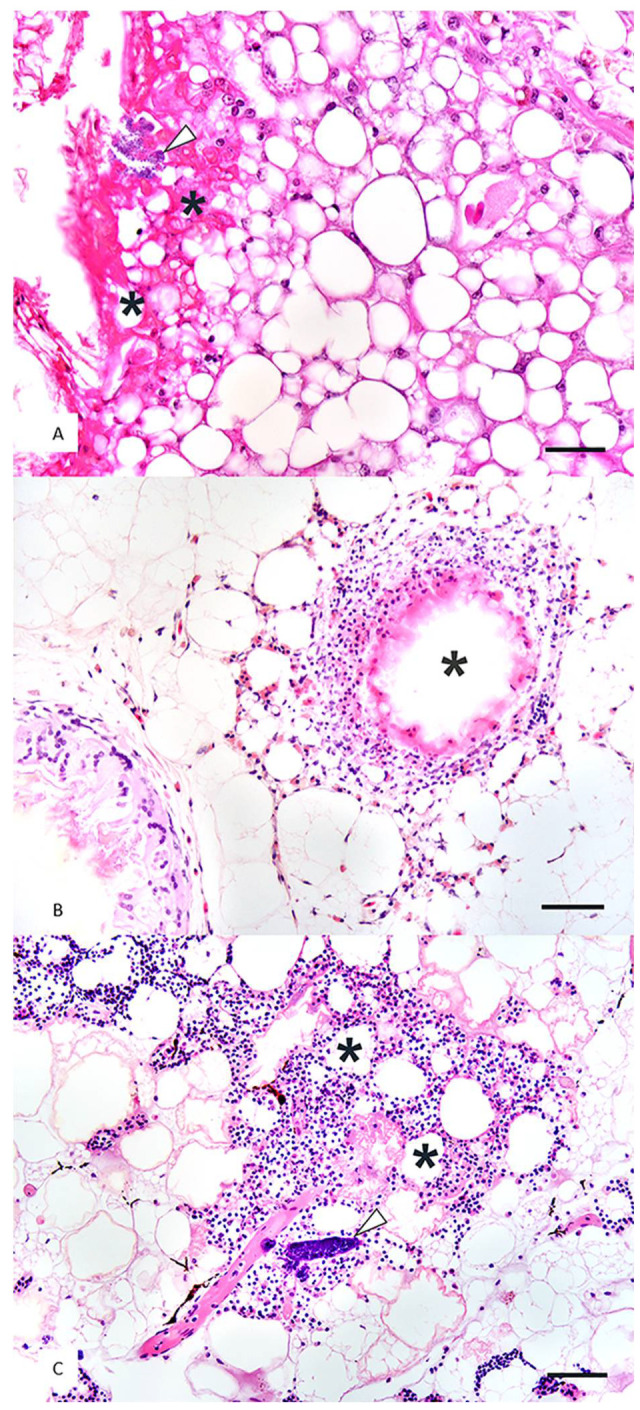
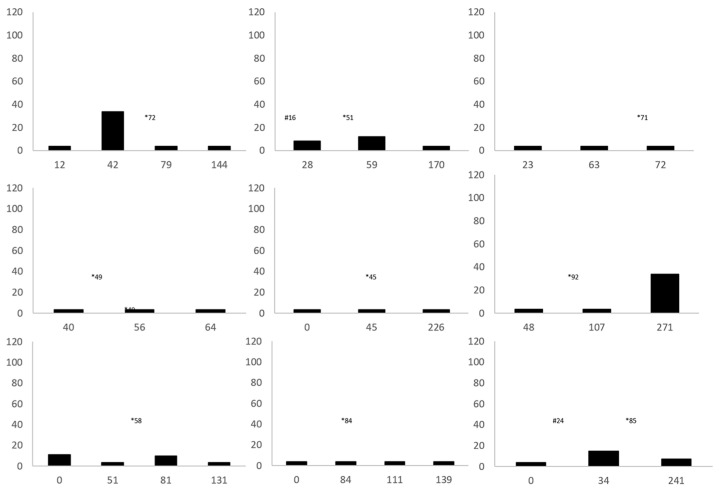
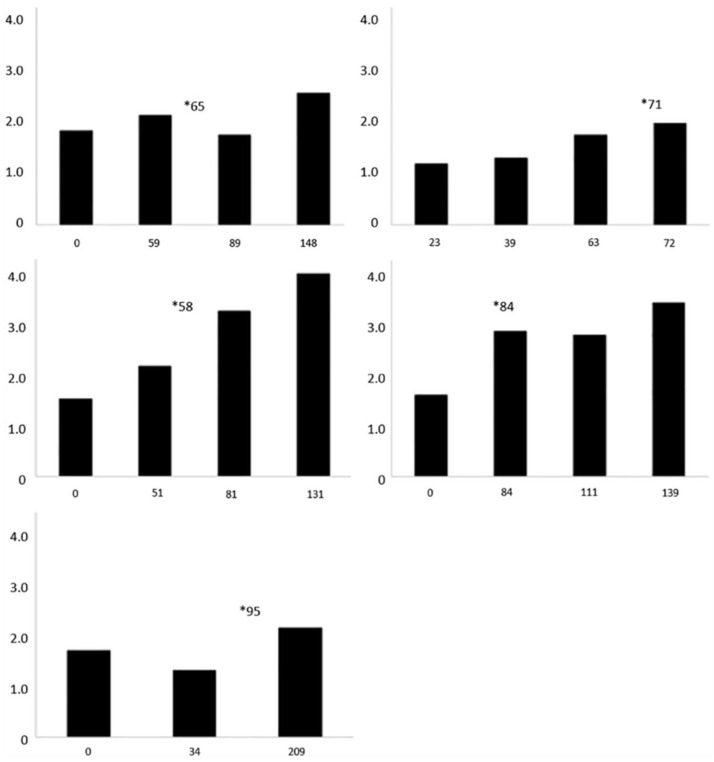
The pathogenesis of steatitis that infrequently occurs in cold-stunned Kemp’s ridley sea turtles (KRT; Lepidochelys kempii) has been undetermined. The objectives of this study were to investigate the clinical (n = 23) and histologic findings (n = 11) in cold-stunned KRT, and to compare plasma concentrations of α-tocopherol (vitamin E), thiobarbituric acid reactive substances (TBARS), and the TBARS to vitamin E (T/E) ratio (an assessment of oxidative stress) between cold-stunned KRT with clinically and/or histologically confirmed steatitis (n = 10) and free-ranging KRT (n = 9). None of the cold-stunned turtles had clinically detectable steatitis at admission, and the median number of days to diagnosis of steatitis was 71 (range 33–469). Histologic findings of affected adipose tissue included heterophilic (n = 9) and/or histiocytic (n = 5) steatitis, fat necrosis (n = 7), myonecrosis (n = 2), and intralesional bacteria (n = 6). Cold-stunned KRT had significantly lower plasma vitamin E concentrations (median = 3.5 nmol/g), lower plasma TBARS concentrations (median = 1.6 nmol/g), and higher T/E ratios (median = 0.50), than controls (62.3 nmol/g; 2.1 nmol/g; 0.03, respectively). These results suggest a multifactorial etiology for the development of steatitis in KRT during rehabilitation, including tissue injury, septicemia, and various factors resulting in imbalances of anti-/oxidative status. By highlighting the need to provide more effective vitamin E supplementation, and the need to re-assess specific components of the diet, this study may lead to reduced incidence and improved medical management of steatitis in cold-stunned sea turtles.
Keywords: fat necrosis; hypothermia; lipid peroxidation; oxidative stress; pathogenesis; sea turtle; vitamin E; α-tocopherol.
Conflict of interest statement
The authors report no conflict of interest.
Figures
References
-
- Wibbels T., Bevan E. Lepidochelys kempii (Errata Version Published in 2019) [(accessed on 3 April 2020)]. Available online: - DOI
-
- National Marine Fisheries Service. U.S. Fish and Wildlife Service. SEMARNAT [(accessed on 5 May 2020)];Fish and Wildlife Service; SEMARNAT. Bi-National Recovery Plan for the Kemp’s Ridley Sea Turtle (Lepidochelys kempii) (2nd ed.). Last Revised 22 September 2011. Available online: https://www.fws.gov/kempsridley/Finals/kempsridley_revision2.pdf.
-
- Witherington B.E. Sea Turtles in Context: Their Life History and Conservation. In: Manire C.A., Norton T.M., Stacy B.A., Innis C.J., Harms C.A., editors. Sea Turtle Health and Rehabilitation. J. Ross Publishing, Inc.; Plantation, FL, USA: 2017. pp. 3–24.
LinkOut - more resources
Full Text Sources
Other Literature Sources
Research Materials
