


Sleep and Mental Health Disturbances Due to Social Isolation during the COVID-19 Pandemic in Mexico
- PMID: 33801928
- PMCID: PMC8002080
- DOI: 10.3390/ijerph18062804
Sleep and Mental Health Disturbances Due to Social Isolation during the COVID-19 Pandemic in Mexico
Abstract
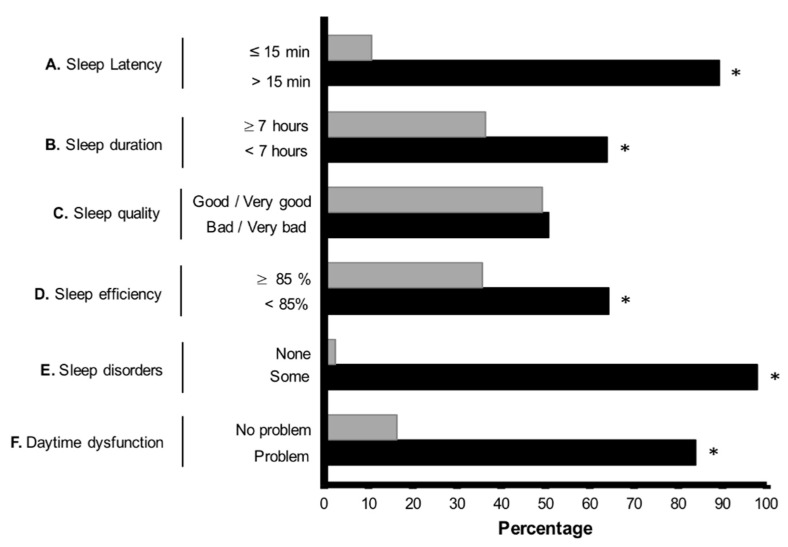
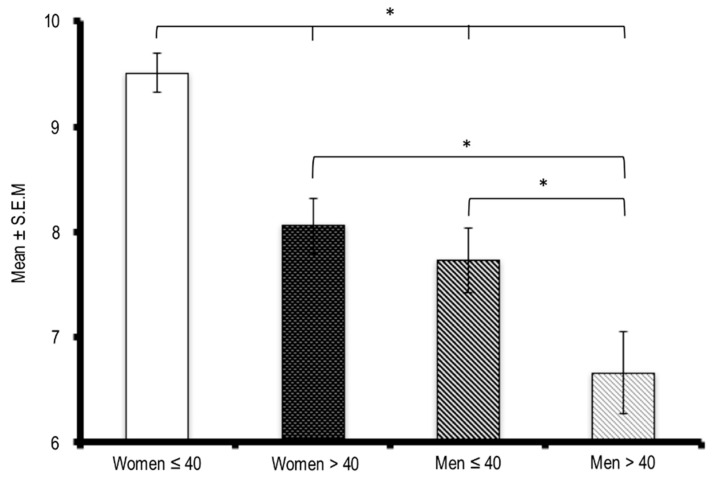
The coronavirus disease (COVID-19) that broke out in China in December 2019 rapidly became a worldwide pandemic. In Mexico, the conditions requiring the declaration of a sanitary emergency were reached by the last week of March 2020, and health authorities' limited mobility and imposed social isolation were the main strategies to keep the virus from spreading. Thus, daily living conditions changed drastically in a few days, generating a stressful situation characterized by an almost complete lack of mobility, social isolation, and forced full-time interactions with family members. Soon, complaints of sleep disturbances, anxiety, and symptoms of depression were reported. The present study reports the results of an online survey performed during the first two months of isolation. Questionnaires exploring sleep disturbances, anxiety, and depression were sent to people who responded to an open invitation. A total of 1230 participants filled out the sleep questionnaire, 812 responded to the anxiety questionnaire, and 814 responded to the depression questionnaire. Both men and women reported poor sleep quality, but women showed a higher proportion (79%) than men (60%); young women were more likely to be affected by social isolation. Concerning anxiety and depression, both sexes reported high similar symptoms. These data suggest that stressful conditions related to social isolation and the economic uncertainty caused by the pandemic may induce mental health disturbances, which may become worse with sleep restriction.
Keywords: COVID-19; anxiety; depression; sleep disturbances.
Conflict of interest statement
The authors declare that the research was conducted in the absence of any commercial or financial relationships that could be construed as a potential conflict of interest.
Figures
References
-
- Grassian S. Psychopathological effects of solitary confinement. Am. J. Psychiatry. 1983;140:1450–1454. - PubMed
MeSH terms
LinkOut - more resources
Full Text Sources
Other Literature Sources
Medical
