


The Validity of the Theory of Planned Behaviour for Understanding People's Beliefs and Intentions toward Reusing Medicines
- PMID: 33803406
- PMCID: PMC8006004
- DOI: 10.3390/pharmacy9010058
The Validity of the Theory of Planned Behaviour for Understanding People's Beliefs and Intentions toward Reusing Medicines
Abstract
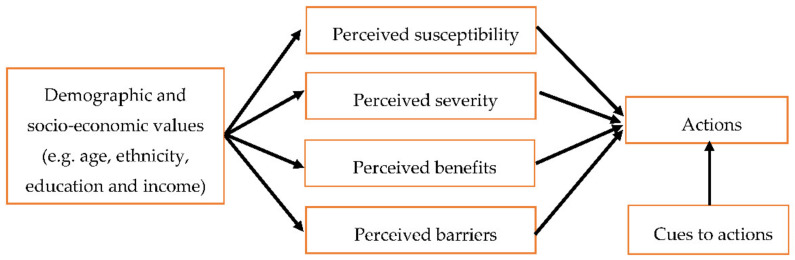
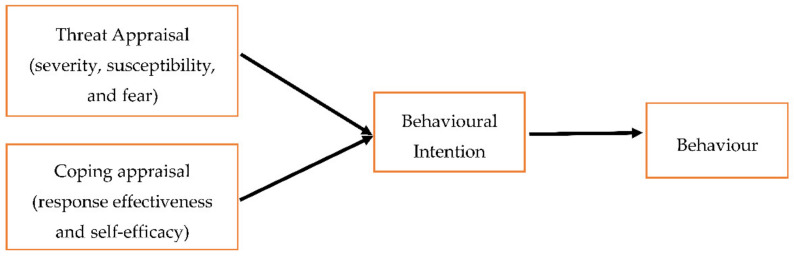
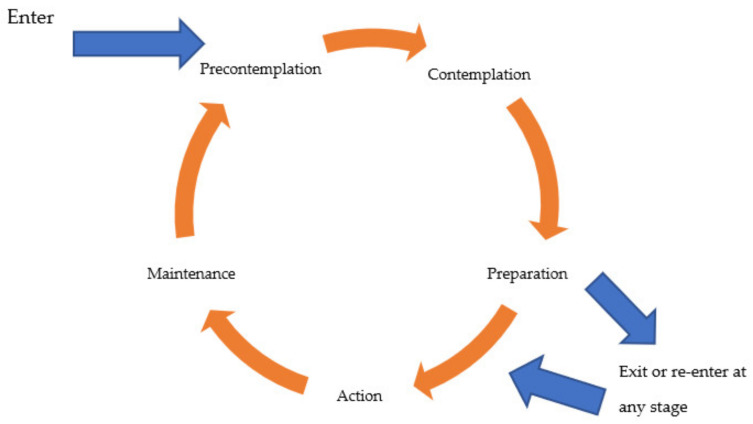
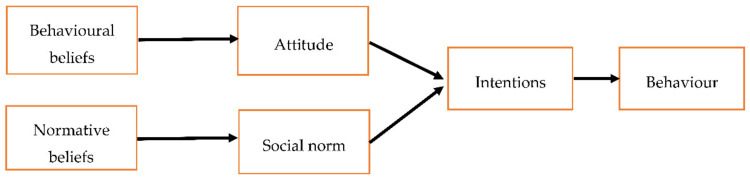
Background: many factors can impact a person's behaviour. When the behaviour is subject to prediction, these factors can include, for example, the perceived advantages and disadvantages of performing the behaviour, normative beliefs, and whether the behaviour is thought to be achievable. This paper examines intentions to engage in medicines reuse, i.e., to accept medicines that are returned unused to a pharmacy to be reused. The paper aims to outline the validity of the Theory of Planned Behaviour (TPB) for understanding people's intentions to engage in medicines reuse by examining this against other long-standing health-related psychological theories of behavioural change. Thus, the Health Belief Model (HBM), Protection Motivation Theory (PMT), Trans-Theoretical Model of Health Behaviour Change (TTM/SoC), Theory of Reasoned Action (TRA), and TPB are examined for their application in the study of medicines reuse.
Discussion: the HBM, PMT, TTM/SoC, TRA, and TPB were assessed for their relevance to examining medicines reuse as a behaviour. The validity of the TPB was justified for the development of a Medication Reuse Questionnaire (MRQ) to explore people's beliefs and intention toward reusing medicines.
Conclusion: TPB has been widely used inside and outside of health-related research and it was found to have more accurately defined constructs, making it helpful in studying medicines reuse behaviour.
Keywords: medication waste; medicines reuse; people’s belief; people’s intentions; psychological theories; theory of planned behaviour.
Conflict of interest statement
The Authors declare that they have no conflicts of interest to disclose.
Figures
References
Publication types
Grants and funding
LinkOut - more resources
Full Text Sources
Other Literature Sources
