


Co-Amorphous Drug Formulations in Numbers: Recent Advances in Co-Amorphous Drug Formulations with Focus on Co-Formability, Molar Ratio, Preparation Methods, Physical Stability, In Vitro and In Vivo Performance, and New Formulation Strategies
- PMID: 33804159
- PMCID: PMC7999207
- DOI: 10.3390/pharmaceutics13030389
Co-Amorphous Drug Formulations in Numbers: Recent Advances in Co-Amorphous Drug Formulations with Focus on Co-Formability, Molar Ratio, Preparation Methods, Physical Stability, In Vitro and In Vivo Performance, and New Formulation Strategies
Abstract
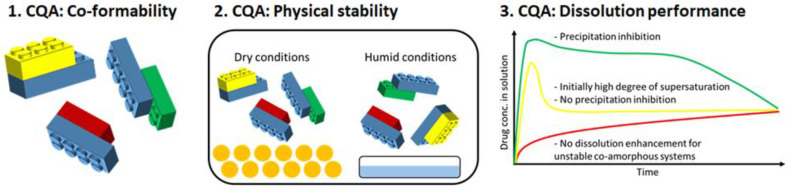
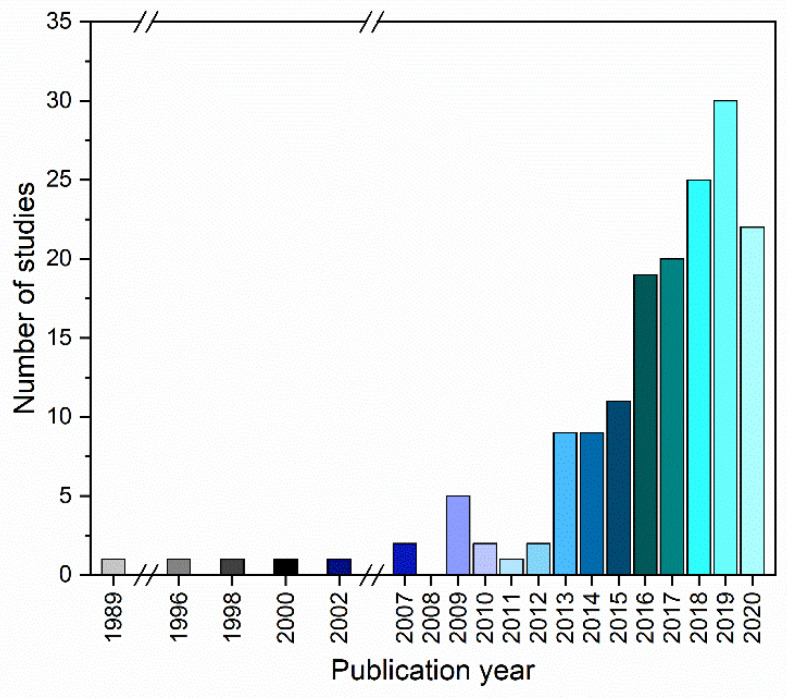
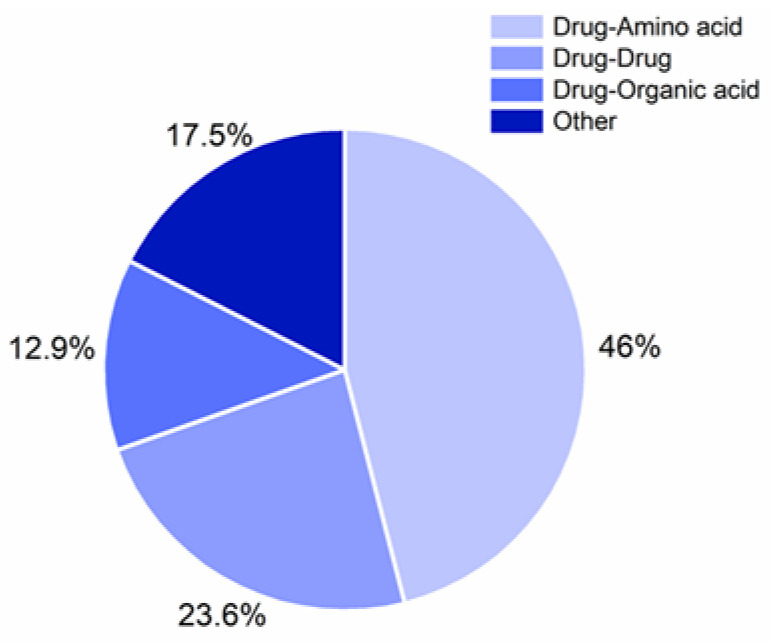
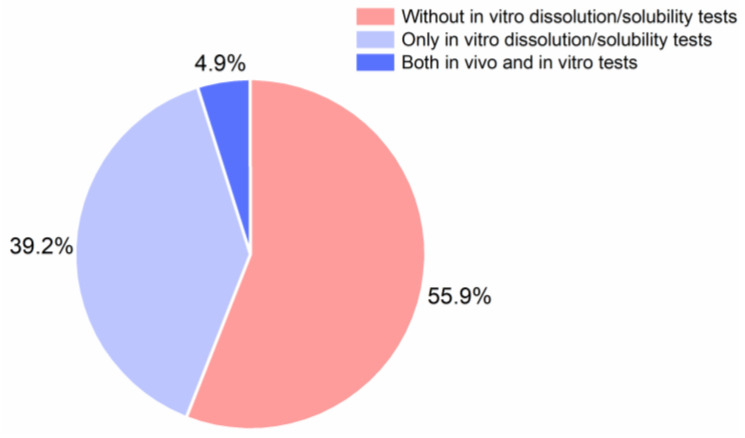
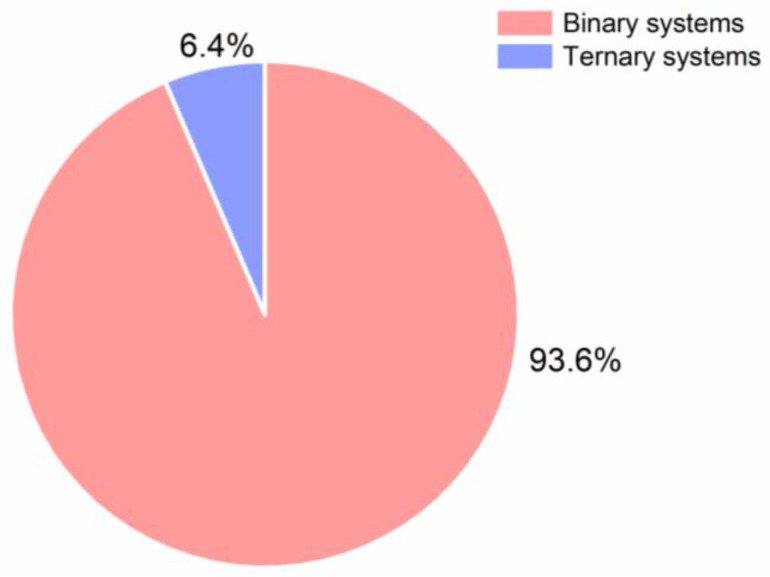
Co-amorphous drug delivery systems (CAMS) are characterized by the combination of two or more (initially crystalline) low molecular weight components that form a homogeneous single-phase amorphous system. Over the past decades, CAMS have been widely investigated as a promising approach to address the challenge of low water solubility of many active pharmaceutical ingredients. Most of the studies on CAMS were performed on a case-by-case basis, and only a few systematic studies are available. A quantitative analysis of the literature on CAMS under certain aspects highlights not only which aspects have been of great interest, but also which future developments are necessary to expand this research field. This review provides a comprehensive updated overview on the current published work on CAMS using a quantitative approach, focusing on three critical quality attributes of CAMS, i.e., co-formability, physical stability, and dissolution performance. Specifically, co-formability, molar ratio of drug and co-former, preparation methods, physical stability, and in vitro and in vivo performance were covered. For each aspect, a quantitative assessment on the current status was performed, allowing both recent advances and remaining research gaps to be identified. Furthermore, novel research aspects such as the design of ternary CAMS are discussed.
Keywords: co-amorphous; co-formability; in vivo studies; molar ratio optimization; physical stability; poorly water soluble drugs; solid dispersion.
Conflict of interest statement
The authors declare no conflict of interest.
Figures
References
-
- FDA The Biopharmaceutical Classification System (BCS) Guidance. [(accessed on 2 October 2016)]; Available online: https://www.fda.gov/aboutfda/centersoffices/officeofmedicalproductsandto....
-
- Grohganz H., Löbmann K., Priemel P., Tarp Jensen K., Graeser K., Strachan C., Rades T. Amorphous drugs and dosage forms. J. Drug Deliv. Sci. Technol. 2013;23:403–408. doi: 10.1016/S1773-2247(13)50057-8. - DOI
Publication types
LinkOut - more resources
Full Text Sources
Other Literature Sources
Miscellaneous
