


Regulatory T Cell-Enhancing Therapies to Treat Atherosclerosis
- PMID: 33805071
- PMCID: PMC8064079
- DOI: 10.3390/cells10040723
Regulatory T Cell-Enhancing Therapies to Treat Atherosclerosis
Abstract
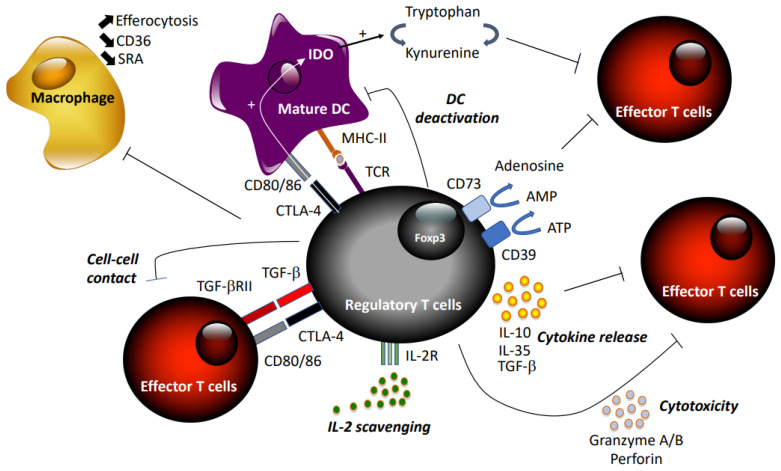
Experimental studies have provided strong evidence that chronic inflammation triggered by the sub-endothelial accumulation of cholesterol-rich lipoproteins in arteries is essential in the initiation and progression of atherosclerosis. Recent clinical trials highlighting the efficacy of anti-inflammatory therapies in coronary patients have confirmed that this is also true in humans Monocytes/macrophages are central cells in the atherosclerotic process, but adaptive immunity, through B and T lymphocytes, as well as dendritic cells, also modulates the progression of the disease. Analysis of the role of different T cell subpopulations in murine models of atherosclerosis identified effector Th1 cells as proatherogenic, whereas regulatory T cells (Tregs) have been shown to protect against atherosclerosis. For these reasons, better understanding of how Tregs influence the atherosclerotic process is believed to provide novel Treg-targeted therapies to combat atherosclerosis. This review article summarizes current knowledge about the role of Tregs in atherosclerosis and discusses ways to enhance their function as novel immunomodulatory therapeutic approaches against cardiovascular disease.
Keywords: T lymphocytes; atherosclerosis; cytokines; immunity; regulatory T cells.
Conflict of interest statement
The authors declare no conflict of interest.
Figures
References
Publication types
MeSH terms
Grants and funding
LinkOut - more resources
Full Text Sources
Other Literature Sources
Medical
