


Bioactive Potential of Several Actinobacteria Isolated from Microbiologically Barely Explored Desert Habitat, Saudi Arabia
- PMID: 33808594
- PMCID: PMC8003550
- DOI: 10.3390/biology10030235
Bioactive Potential of Several Actinobacteria Isolated from Microbiologically Barely Explored Desert Habitat, Saudi Arabia
Abstract
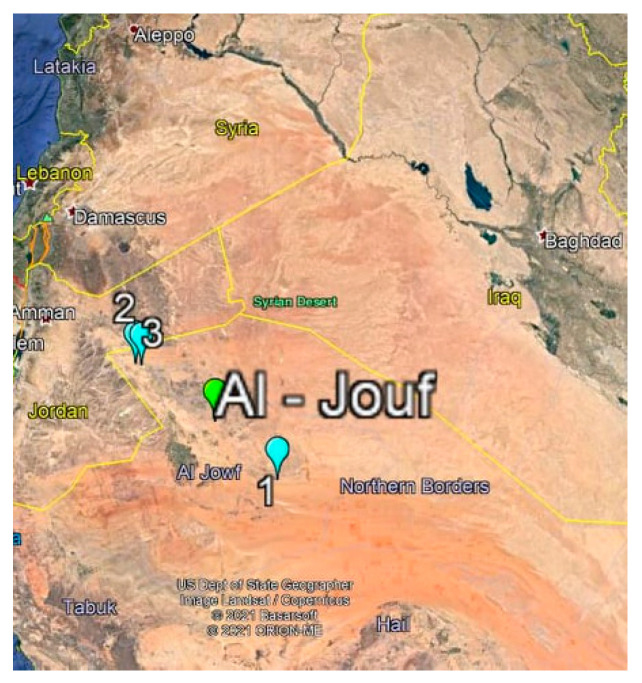
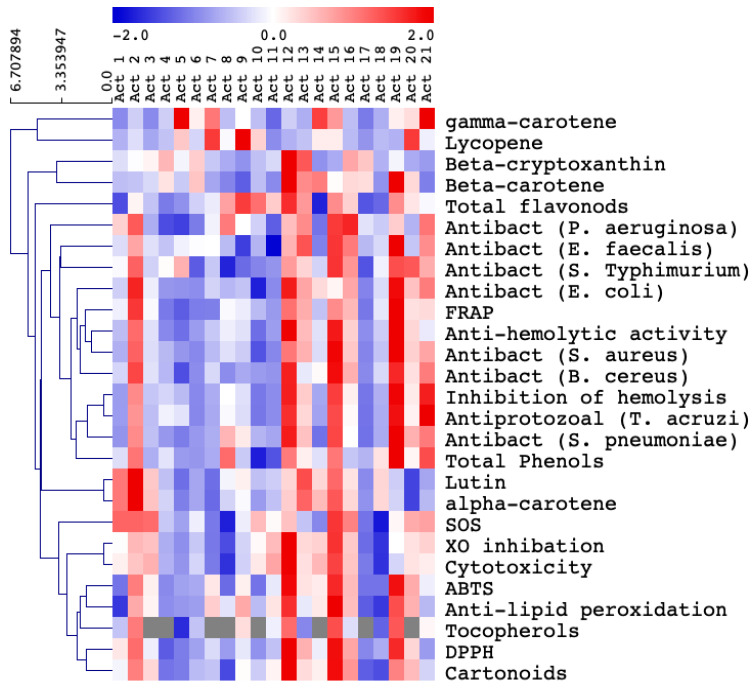
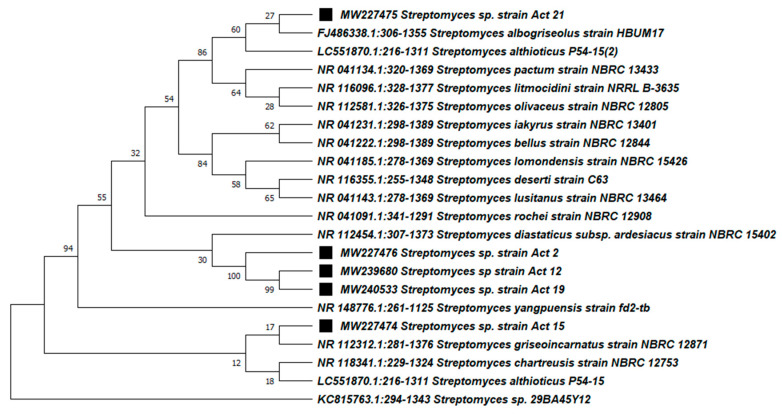
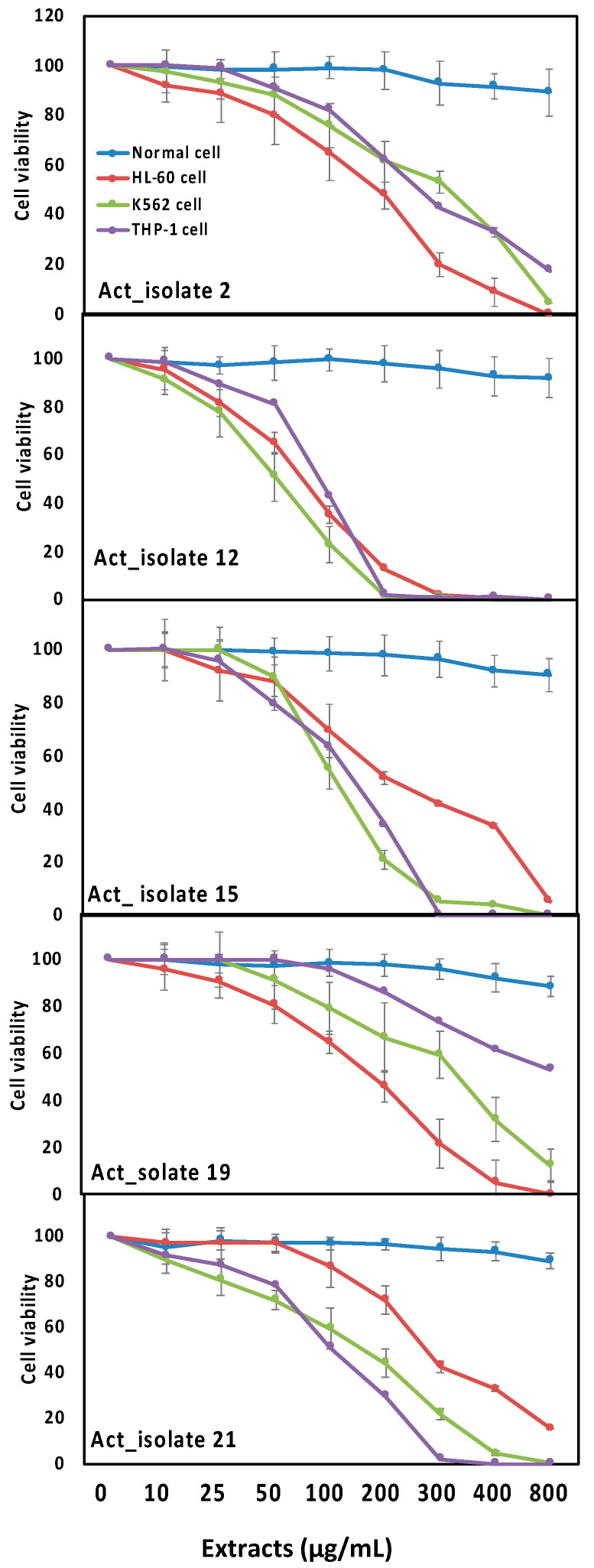
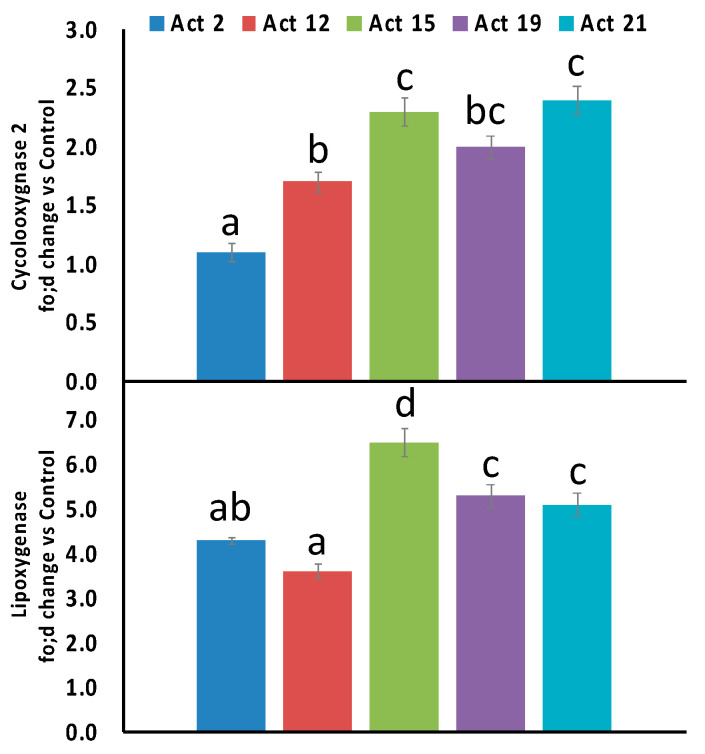
Biomolecules from natural sources, including microbes, have been the basis of treatment of human diseases since the ancient times. Therefore, this study aimed to investigate the potential bioactivity of several actinobacteria isolates form Al-Jouf Desert, Saudi Arabia. Twenty-one actinobacterial isolates were tested for their antioxidant (flavonoids, phenolics, tocopherols and carotenoids) content, and biological activities, namely FRAP, DPPH, ABTS, SOS and XO inhibition, anti-hemolytic and anti-lipid peroxidation as well as their antibacterial and antiprotozoal activities. Accordingly, five isolates (i.e., Act 2, 12, 15, 19 and 21) were selected and their 90% ethanolic extracts were used. The phylogenetic analysis of the 16S rRNA sequences indicated that the most active isolates belong to genus Streptomyces. The genus Streptomyces has been documented as a prolific producer of biologically active secondary metabolites against different cancer types. Thus, the anti-blood cancer activity and the possible molecular mechanisms by which several Streptomyces species extracts inhibited the growth of different leukemia cells, i.e., HL-60, K562 and THP-1, were investigated. In general, the five active isolates showed cytotoxic activity against the tested cell lines in a dose dependent manner. Among the potent isolates, isolate Act 12 significantly decreased the cell viability and showed maximum cytotoxic activities against both HL-60 and K562 cells, while isolate Act 15 exhibited maximum cytotoxic activity against THP-1 cells. Moreover, Act 2 and Act 12 reduced cyclooxygenase (COX-2) and lipoxygenase (LOX) activity, which is involved in the proliferation and differentiation of cancer cells and may represent a possible molecular mechanism underlying leukemia growth inhibition. The bioactive antioxidant extracts of the selected Streptomyces species inhibited leukemia cell growth by reducing the COX-2 and LOX activity. Overall, our study not only introduced a promising natural alternative source for anticancer agents, but it also sheds light on the mechanism underlying the anticancer activity of isolated actinomycetes.
Keywords: actinomycetes; anti-inflammatory; antioxidant; leukemia.
Conflict of interest statement
The authors declare no conflict of interest.
Figures
References
-
- Al Kashgry N.A.T., Abulreesh H.H., El-Sheikh I.A., Almaroai Y.A., Salem R., Mohamed I., Waly F.R., Osman G., Mohamed M.S.M. Utilization of a recombinant defensin from Maize (Zea mays L.) as a potential antimicrobial peptide. AMB Express. 2020;10:1–9. doi: 10.1186/s13568-020-01146-9. - DOI - PMC - PubMed
-
- Siegel S.E., Stock W., Johnson R.H., Advani A., Muffly L., Douer D., Reed D., Lewis M., Freyer D.R., Shah B. Pediatric-inspired treatment regimens for adolescents and young adults with philadelphia chromosome–negative acute lymphoblastic leukemia: A review. JAMA Oncol. 2018;4:725–734. doi: 10.1001/jamaoncol.2017.5305. - DOI - PMC - PubMed
-
- Jeha S., Kantarjian H., O’Brien S., Huh Y., Pisa P., Ordonez N., Beran M. Growth and biologic properties of karyotypically defined subcategories of adult acute lymphocytic leukemia in mice with severe combined immunodeficiency. Blood. 1995;86:4278–4285. doi: 10.1182/blood.V86.11.4278.bloodjournal86114278. - DOI - PubMed
Grants and funding
LinkOut - more resources
Full Text Sources
Other Literature Sources
Research Materials
Miscellaneous
