


The Plants of the Asteraceae Family as Agents in the Protection of Human Health
- PMID: 33809449
- PMCID: PMC7999649
- DOI: 10.3390/ijms22063009
The Plants of the Asteraceae Family as Agents in the Protection of Human Health
Abstract
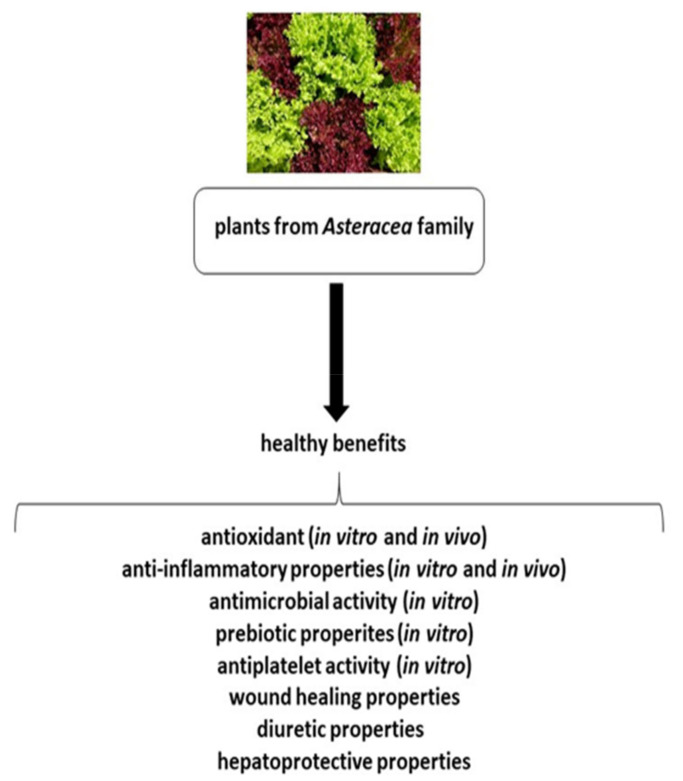
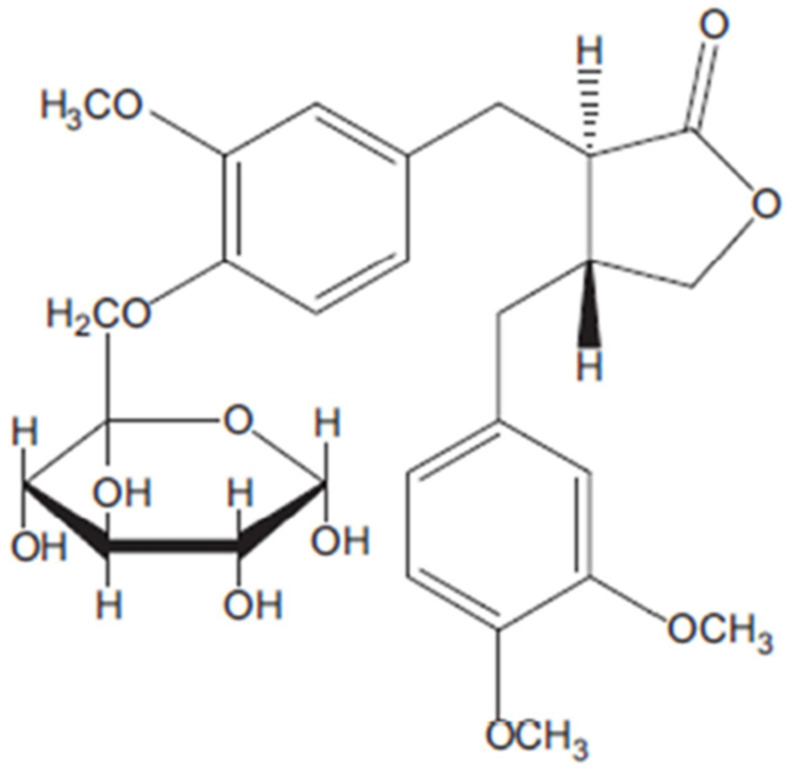
The Asteraceae family is one of the largest flowering plant families, with over 1600 genera and 2500 species worldwide. Some of its most well-known taxa are lettuce, chicory, artichoke, daisy and dandelion. The members of the Asteraceae have been used in the diet and for medicine for centuries. Despite their wide diversity, most family members share a similar chemical composition: for example, all species are good sources of inulin, a natural polysaccharide with strong prebiotic properties. They also demonstrate strong antioxidant, anti-inflammatory and antimicrobial activity, as well as diuretic and wound healing properties. Their pharmacological effects can be attributed to their range of phytochemical compounds, including polyphenols, phenolic acids, flavonoids, acetylenes and triterpenes. One such example is arctiin: a ligand with numerous antioxidant, antiproliferative and desmutagenic activities. The family is also a source of sesquiterpene lactones: the secondary metabolites responsible for the bitter taste of many plants. This mini review examines the current state of literature regarding the positive effect of the Asteraceae family on human health.
Keywords: Asteraceae family; antioxidant activity; human health.
Conflict of interest statement
The authors declare no conflict of interest.
Figures
References
-
- Eruygur N., Koçyiğit U.M., Taslimi P., Ataş M., Tekin M., Gülçin İ. Screening the in vitro antioxidant, antimicrobial, anticholinesterase, antidiabetic activities of endemic Achillea cucullata (Asteraceae) ethanol extract. S. Afr. J. Bot. 2019;120:141–145. doi: 10.1016/j.sajb.2018.04.001. - DOI
-
- Tourchi M., Arslan A., Iranshahi M. Biological Effects of Arctiin from Some Medicinal Plants of Asteraceae Family. Am. J. Life Sci. 2016;4:41–47.
-
- Achika J., Arthur D., Gerald I., Adedayo A. A Review on the Phytoconstituents and Related Medicinal Properties of Plants in the Asteraceae Family. IOSR J. Appl. Chem. 2014;7:1–8. doi: 10.9790/5736-07810108. - DOI
-
- Nikolić M., Stevović S. Family Asteraceae as a sustainable planning tool in phytoremediation and its relevance in urban areas. Urban For. Urban Green. 2015;14:782–789. doi: 10.1016/j.ufug.2015.08.002. - DOI
Publication types
MeSH terms
Substances
LinkOut - more resources
Full Text Sources
Other Literature Sources
