


Differentiating Neuroblastoma: A Systematic Review of the Retinoic Acid, Its Derivatives, and Synergistic Interactions
- PMID: 33809565
- PMCID: PMC7999600
- DOI: 10.3390/jpm11030211
Differentiating Neuroblastoma: A Systematic Review of the Retinoic Acid, Its Derivatives, and Synergistic Interactions
Abstract
A neuroblastoma (NB) is a solid paediatric tumour arising from undifferentiated neuronal cells. Despite the recent advances in disease management and treatment, it remains one of the leading causes of childhood cancer deaths, thereby necessitating the development of new therapeutic agents and regimens. Retinoic acid (RA), a vitamin A derivative, is a promising agent that can induce differentiation in NB cells. Its isoform, 13-cis RA or isotretinoin, is used in NB therapy; however, its effectiveness is limited to treating a minimal residual disease as maintenance therapy. As such, research focuses on RA derivatives that might increase the anti-NB action or explores the potential synergy between RA and other classes of drugs, such as cellular processes mediators, epigenetic modifiers, and immune modulators. This review summarises the in vitro, in vivo, and clinical data of RA, its derivatives, and synergising compounds, thereby establishing the most promising RA derivatives and combinations of RA for further investigation.
Keywords: combinational therapy; neuroblastoma; retinoic acid.
Conflict of interest statement
The authors declare no conflict of interest.
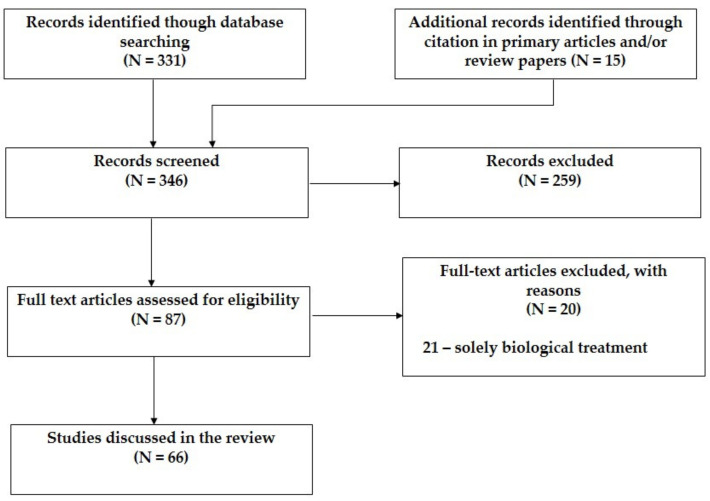
Figures


References
-
- Vo K.T., Matthay K.K., Neuhaus J., London W.B., Hero B., Ambros P.F., Nakagawara A., Miniati D., Wheeler K., Pearson A.D.J., et al. Clinical, biologic, and prognostic differences on the basis of primary tumor site in neuroblastoma: A report from the International Neuroblastoma Risk Group project. J. Clin. Oncol. 2014;32:3169–3176. doi: 10.1200/JCO.2014.56.1621. - DOI - PMC - PubMed
-
- Pinto N.R., Applebaum M.A., Volchenboum S.L., Matthay K.K., London W.B., Ambros P.F., Nakagawara A., Berthold F., Schleiermacher G., Park J.R., et al. Advances in risk classification and treatment strategies for neuroblastoma. J. Clin. Oncol. 2015;33:3008–3017. doi: 10.1200/JCO.2014.59.4648. - DOI - PMC - PubMed
Publication types
Grants and funding
LinkOut - more resources
Full Text Sources
Other Literature Sources
Research Materials
