


Protective Effect of Spirulina-Derived C-Phycocyanin against Ultraviolet B-Induced Damage in HaCaT Cells
- PMID: 33809667
- PMCID: PMC8002288
- DOI: 10.3390/medicina57030273
Protective Effect of Spirulina-Derived C-Phycocyanin against Ultraviolet B-Induced Damage in HaCaT Cells
Abstract
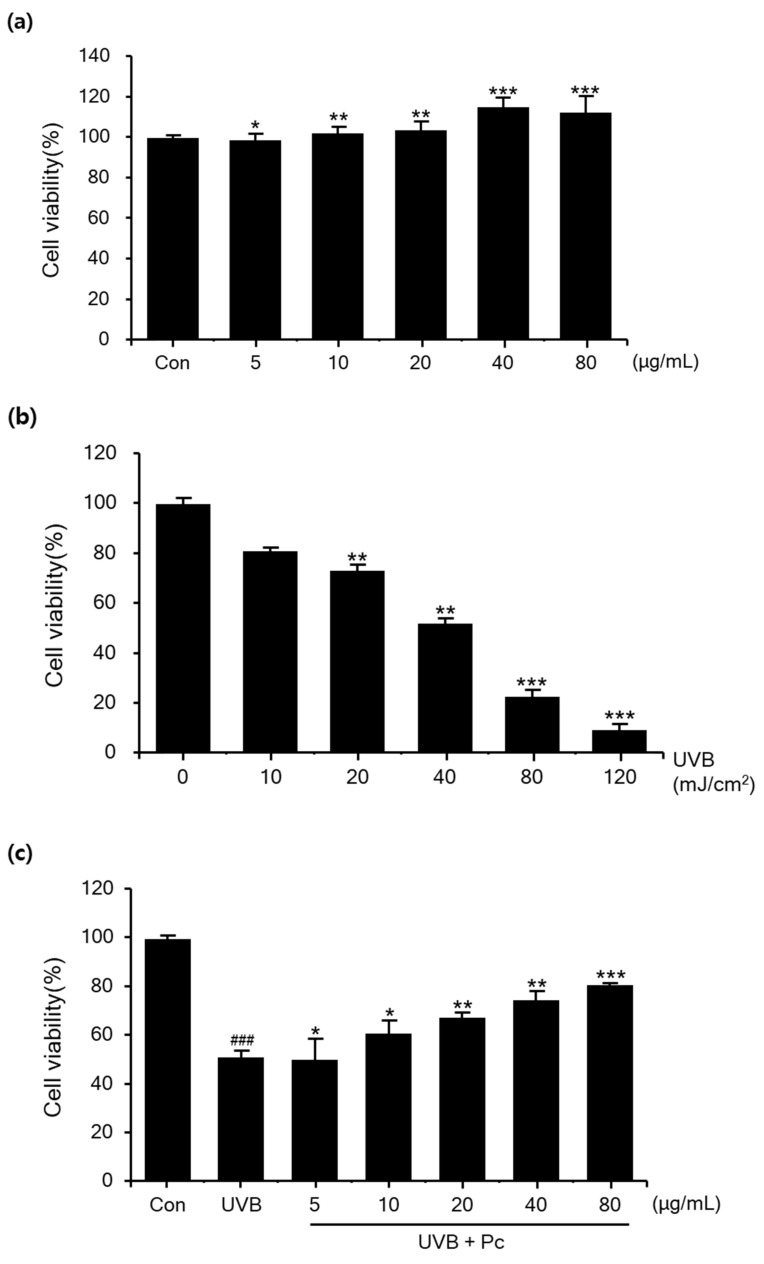
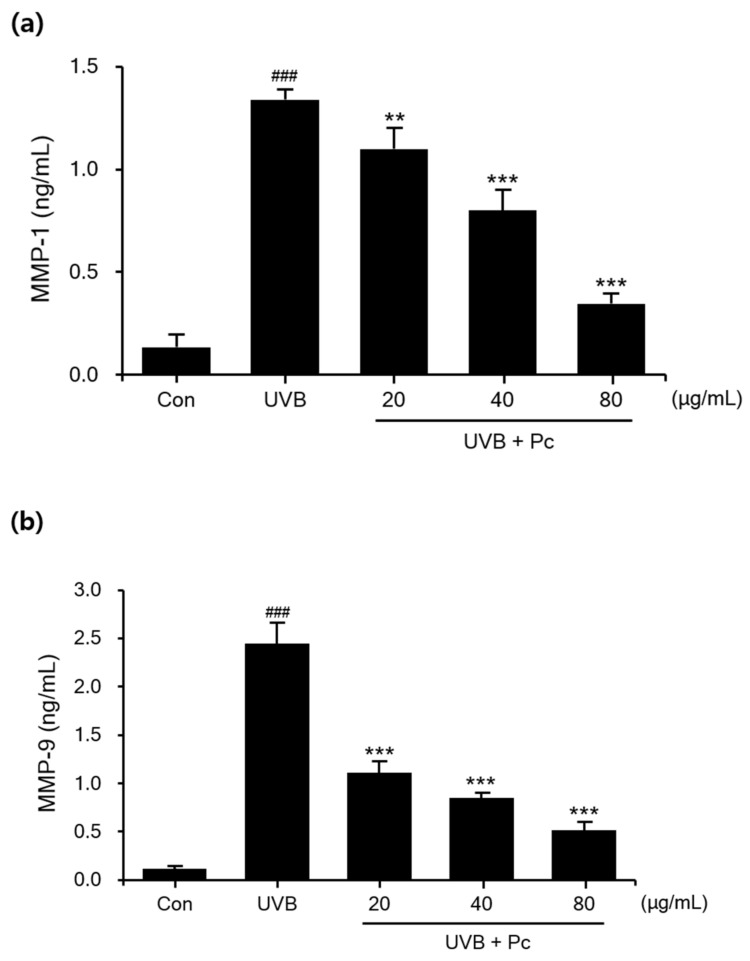
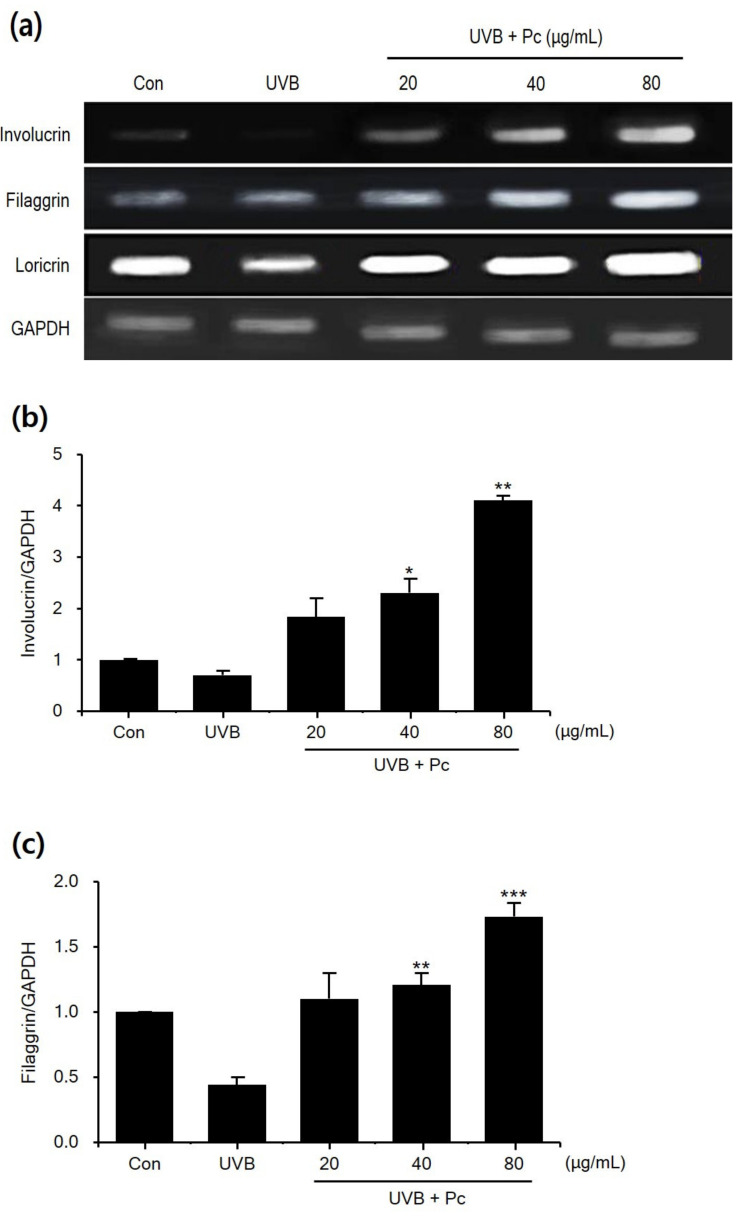
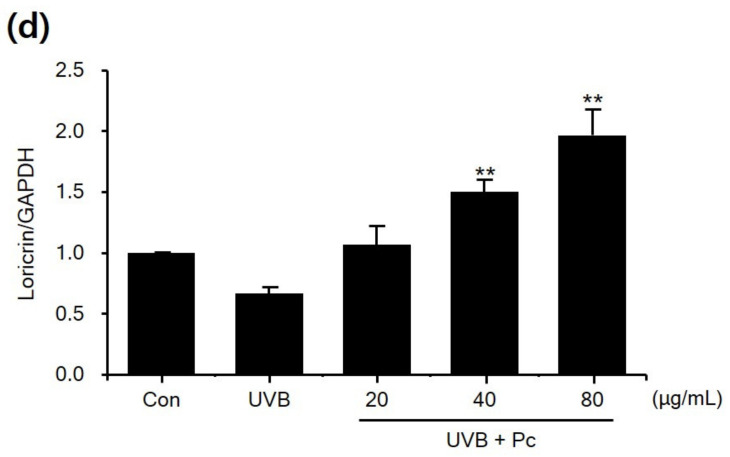
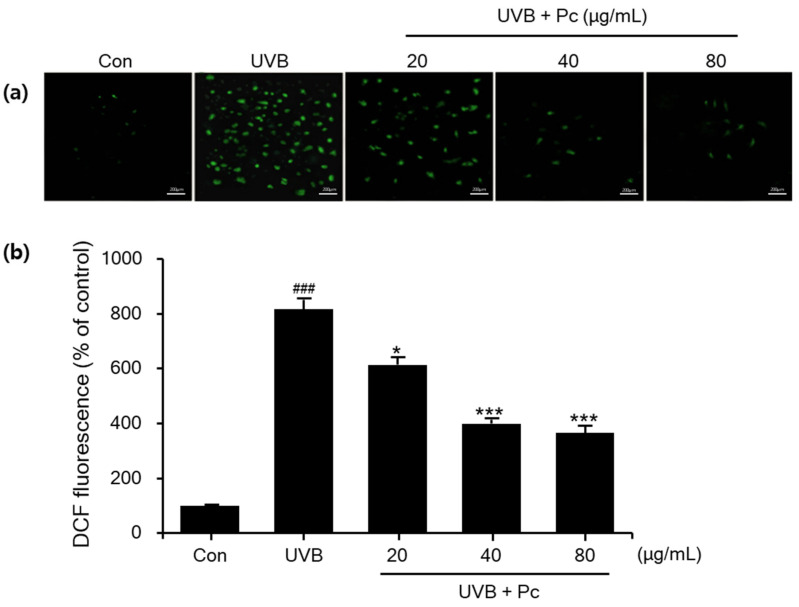
Background and objectives: Reactive oxygen species (ROS) overwhelm the antioxidant defense system, induce oxidative stress, and increase matrix metalloproteinase (MMP) expression, resulting in skin aging. Thus, preventing ultraviolet B (UVB)-induced skin damage can attenuate skin aging. Spirulina (a biomass of cyanobacteria, also called blue-green algae) is comprised of prokaryotes, whereas microalgae are eukaryotes and are rich in phycocyanin, a powerful antioxidant. Materials and Methods: Here, we investigated the photoprotective effects of spirulina-derived C-phycocyanin (C-PC) against UVB radiation using keratinocytes (HaCaT cells). Results: UVB radiation increased MMP-1 and MMP-9 expression but decreased involucrin, filaggrin, and loricrin expression. C-PC showed no toxicity at concentrations of 5-80 μg/mL in terms of HaCaT cell viability. UVB-irradiated HaCaT cells had a 50.8% survival rate, which increased to 80.3% with C-PC treatment. MMP expression increased with UVB treatment, whereas MMP-1 and MMP-9 concentrations decreased with C-PC treatment. UVB reduced involucrin, filaggrin, and loricrin expression in HaCaT cells, but 80 μg/mL C-PC increased their expression by >25%. In the UVB radiation group, dichlorofluorescin diacetate fluorescence intensity in HaCaT cells increased by 81.6% compared with that in the control group, whereas ROS production was reduced by 51.2% and 55.1% upon treatment with 40 and 80 μg/mL C-PC, respectively. Conclusions: C-PC might reduce or prevent skin aging by reducing UVB irradiation-induced skin wrinkles and free radicals.
Keywords: C-phycocyanin; ROS; UVB; filaggrin; involucrin; loricrin; matrix metalloproteinase.
Conflict of interest statement
The authors have no conflicts of interest to declare. The funders of this study had no role in its design or in the collection of data and analysis. The funder did not influence the writing of the manuscript or the decision to publish the results.
Figures
References
-
- Uitto J. The role of elastin and collagen in cutaneous aging: Intrinsic aging versus photoexposure. J. Drugs Dermatol. JDD. 2008;7:s12–s16. - PubMed
MeSH terms
Substances
Grants and funding
LinkOut - more resources
Full Text Sources
Other Literature Sources
Miscellaneous
