


A Randomized, Double-Blind, Placebo-Controlled Trial to Determine the Effectiveness of a Polyphenolic Extract (Hibiscus sabdariffa and Lippia citriodora) for Reducing Blood Pressure in Prehypertensive and Type 1 Hypertensive Subjects
- PMID: 33810049
- PMCID: PMC8005037
- DOI: 10.3390/molecules26061783
A Randomized, Double-Blind, Placebo-Controlled Trial to Determine the Effectiveness of a Polyphenolic Extract (Hibiscus sabdariffa and Lippia citriodora) for Reducing Blood Pressure in Prehypertensive and Type 1 Hypertensive Subjects
Abstract
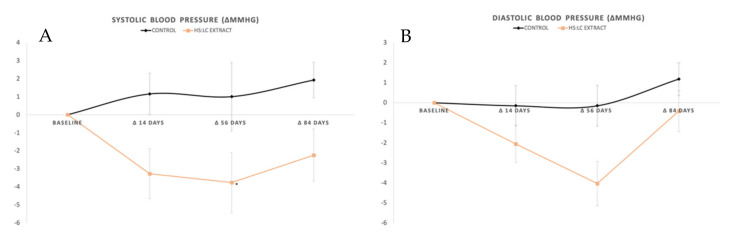
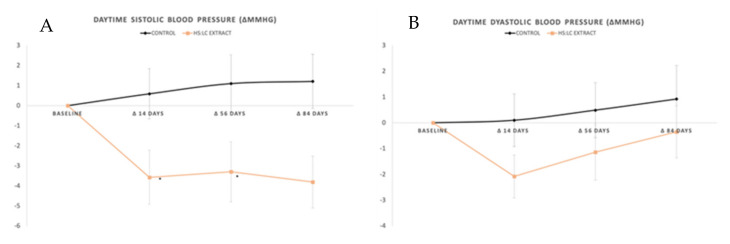
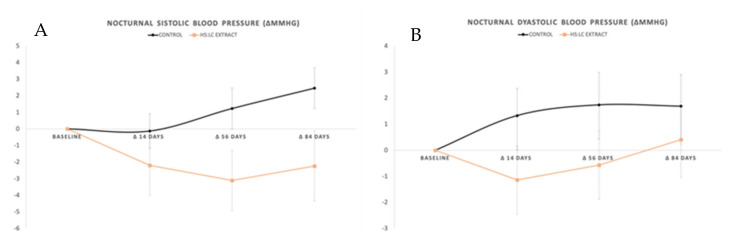
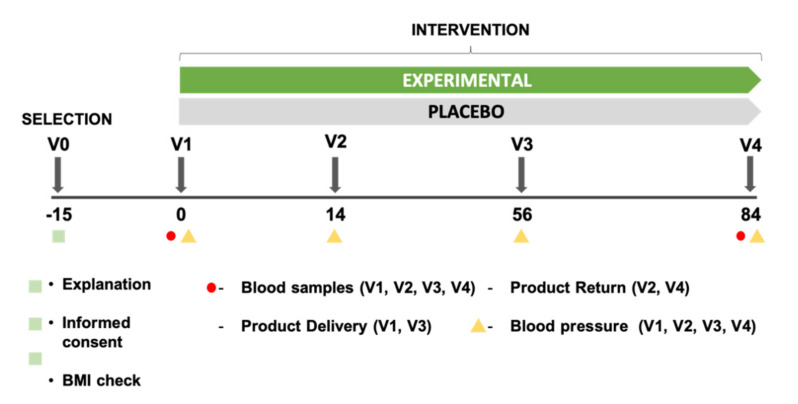
Hypertension is an important factor of cardiovascular diseases and contributes to their negative consequences including mortality. The World Health Organization estimated that 54% of strokes and 47% of cases of ischemic heart illness are related to high blood pressure. Recently, Hibiscus sabdariffa (HS) and Lippia citriodora (LC) have attracted scientific interest, and they are recognized for their high content of polyphenols as these may prevent several disease factors, such as hypertension. The aim of the present study is to determine if supplementation with an HS-LC blend (MetabolAid®) may be effective for the treatment of type 1 hypertensive sedentary populations. A total of 80 type 1 hypertensive subjects of both sexes were included in the study and were treated with placebo or the HS-LC extract, and both groups were treated over 84 days. The blood pressure (diastolic, systolic, and pulse pressure) was measured throughout the day, for each of the days of the study duration and determined using Ambulatory Blood Pressure Monitoring (ABPM). Physical activity was determined throughout the study to ensure similar conditions related to exercise. The results showed the capacity for reducing the blood pressure parameters in the case of the HS-LC extract. The daily consumption of the HS-LC extract but not the placebo over 84 days was able to reduce the daytime parameters related to blood pressure. The most remarkable results were observed in the measurements performed during the daytime, especially in the systolic blood pressure showing statistically significant variation.
Keywords: Hibiscus sabdariffa; Lippia citriodora; blood pressure; hypertension; polyphenol.
Conflict of interest statement
The authors declare no conflict of interest. The funders had no role in the design of the study; in the collection, analyses, or interpretation of data; in the writing of the manuscript, or in the decision to publish the results.
Figures
References
-
- Morales Rigau J.M., Achiong Estupiñán F., Díaz Hernández O., Fuentes García S. Pesquisa activa de hipertensión arterial: Un éxito de la atención primaria de salud. Rev. Cuba. Med. Gen. Integr. 2003;19:1.
-
- Menéndez E., Delgado E., Fernández-Vega F., Prieto M.A., Bordiú E., Calle A., Carmena R., Castaño L., Catalá M., Franch J. Prevalencia, diagnóstico, tratamiento y control de la hipertensión arterial en España. Resultados del estudio Diabet. es. Rev. Esp. Cardiol. 2016;69:572–578. doi: 10.1016/j.recesp.2015.11.036. - DOI - PubMed
-
- Williams B., Mancia G., Spiering W., Agabiti Rosei E., Azizi M., Burnier M., Clement D.L., Coca A., de Simone G., Dominiczak A., et al. Guidelines for the management of arterial hypertension: The Task Force for the management of arterial hypertension of the European Society of Cardiology and the European Society of Hypertension: The Task Force for the management of arterial. J. Hypertens. 2018;36:1953–2041. doi: 10.1097/HJH.0000000000001940. - DOI - PubMed
Publication types
MeSH terms
Substances
Grants and funding
LinkOut - more resources
Full Text Sources
Medical
