


A systematic review and meta-analysis of prevalence of insomnia in the third trimester of pregnancy
- PMID: 33836686
- PMCID: PMC8034118
- DOI: 10.1186/s12884-021-03755-z
A systematic review and meta-analysis of prevalence of insomnia in the third trimester of pregnancy
Abstract
Background: Sleep disorders, which are among the foremost important medical care issues, are prevalent in pregnancy. The present study is a meta-analysis of the prevalence of insomnia in the third trimester of pregnancy. This study aims to systematically review the overall prevalence of insomnia in the third trimester of pregnancy through conducting a meta-analysis.
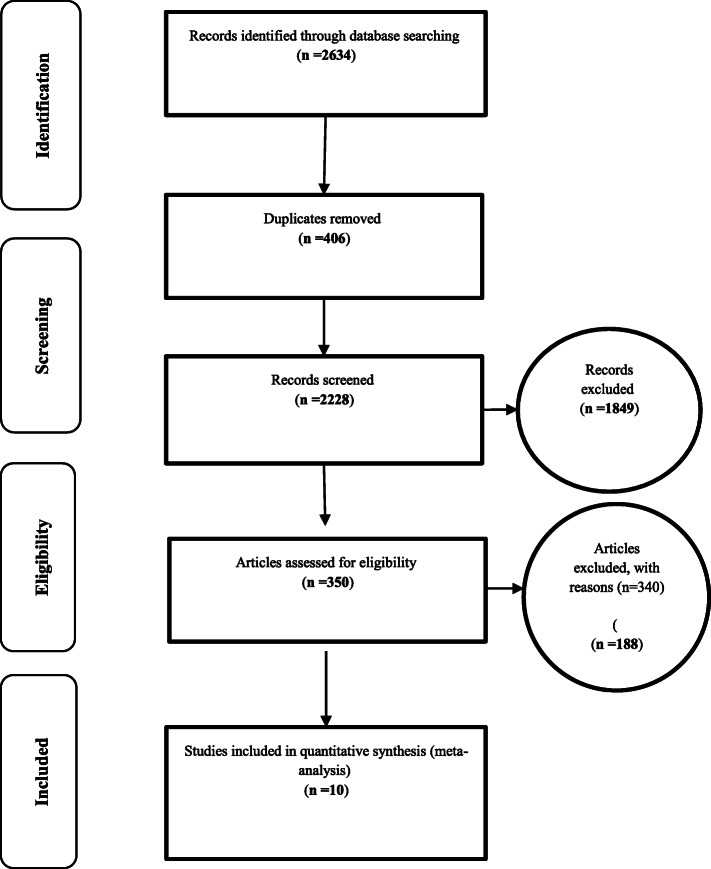
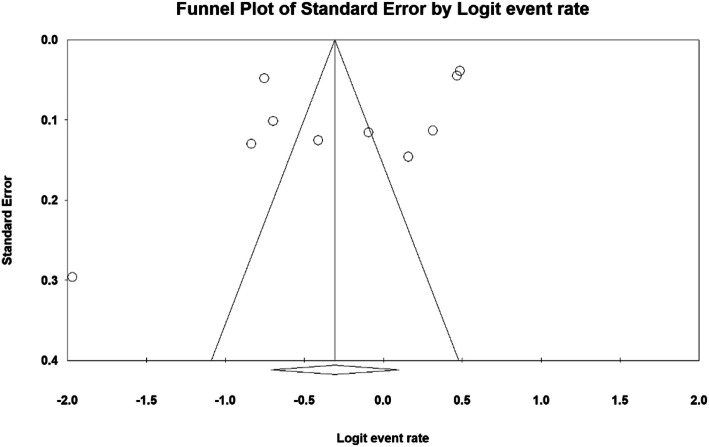
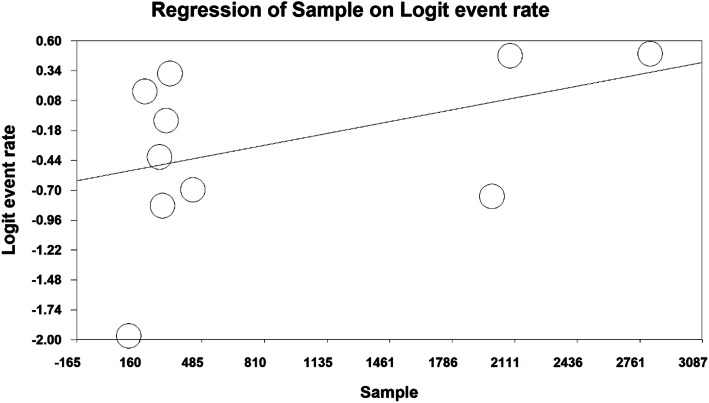
Method: The literature used in this meta-analysis for the topic discussed above were obtained through searching several databases, including SID, MagIran, IranDoc, Scopus, Embase, Web of Science (WoS), PubMed Science Direct and Google Scholar databases without time limitation until December 2020. Articles developed based on cross-sectional studies were included in the study. The heterogeneity of studies was investigated using the I2 index. Also, the possible effects of heterogeneity in the studied studies are investigated using meta-regression analysis.
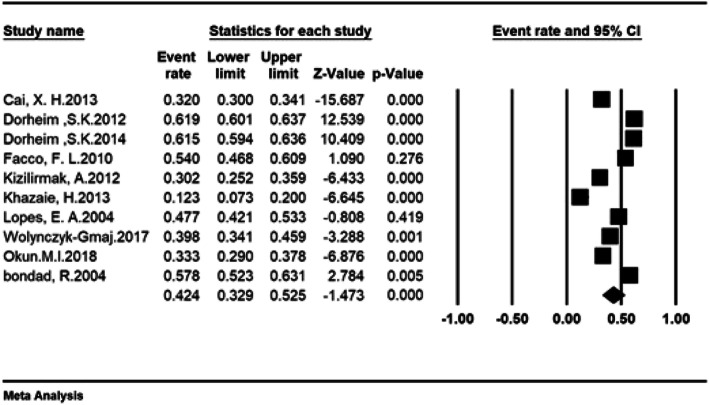
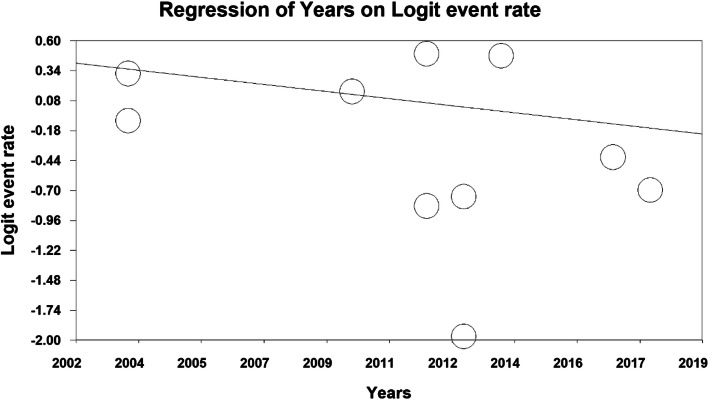
Result: In 10 articles and 8798 participants aged between11-40, the overall prevalence of insomnia in the third trimester of pregnancy based on meta-analysis was 42.4% (95% CI: 32.9-52.5%). It was reported that as the sample size increases, the prevalence of insomnia in the third trimester of pregnancy increases. Conversely, as the year of research increases, the prevalence of insomnia in the third trimester of pregnancy decreases. Both of these differences were statistically significant (P < 0.05).
Conclusion: Insomnia was highly prevalent in the last trimester of pregnancy. Sleep disorders are neglected among pregnant women, and they are considered natural. While sleep disturbances can cause mental and physical problems in pregnant women, they can consequently cause problems for the fetus. As a result, maintaining the physical and mental health of pregnant mothers is very important. It is thus recommended that in addition to having regular visits during pregnancy, pregnant women should also be continuously monitored for sleep-related disorders.
Keywords: Insomnia; Pregnancy; Sleep disorder.
Conflict of interest statement
The authors declare that they have no conflict of interest.
Figures
References
Publication types
MeSH terms
Grants and funding
LinkOut - more resources
Full Text Sources
Other Literature Sources
Medical
Research Materials
