Detection of human papillomavirus in oropharyngeal squamous cell carcinoma
- PMID: 33843162
- PMCID: PMC7759454
- DOI: 10.1631/jzus.B2000161
Detection of human papillomavirus in oropharyngeal squamous cell carcinoma
Abstract
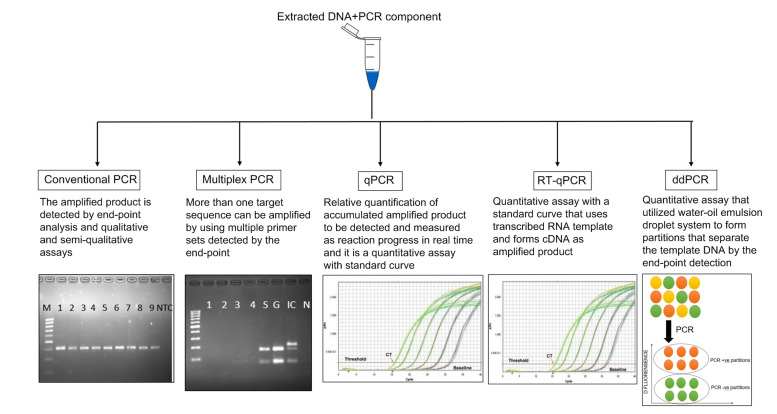
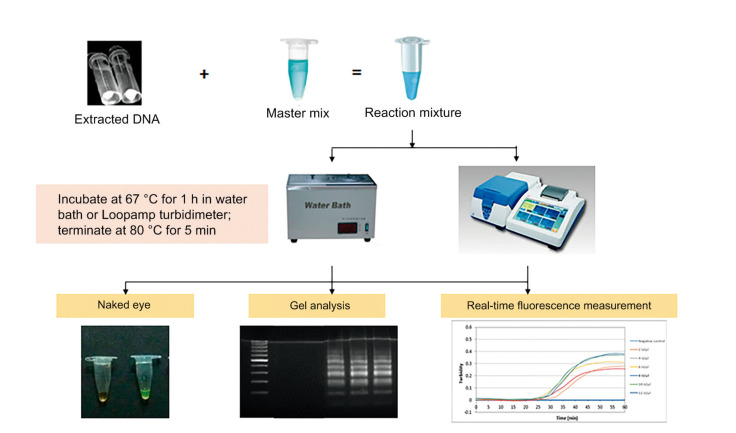
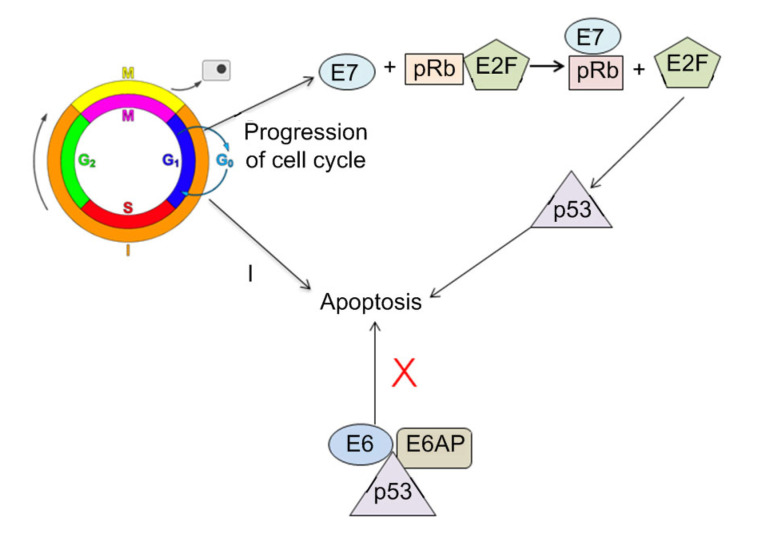
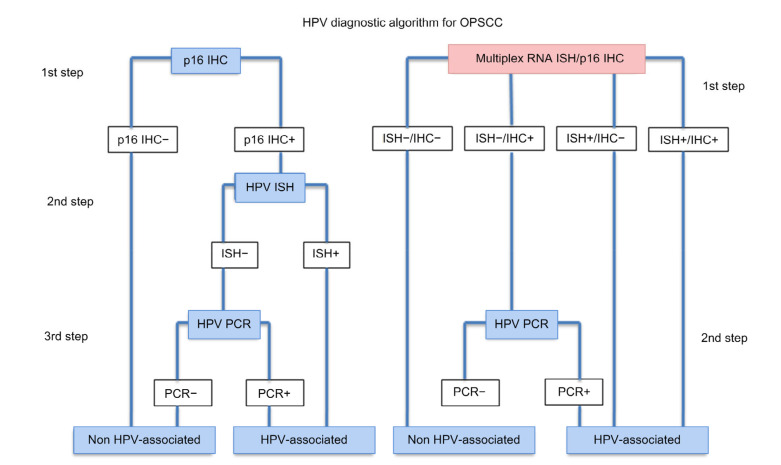
Worldwide there has been a significant increase in the incidence of oropharyngeal squamous cell carcinoma (OPSCC) etiologically attributed to oncogenic human papillomavirus (HPV). Reliable and accurate identification and detection tools are important as the incidence of HPV-related cancer is on the rise. Several HPV detection methods for OPSCC have been developed and each has its own advantages and disadvantages in regard to sensitivity, specificity, and technical difficulty. This review summarizes our current knowledge of molecular methods for detecting HPV in OPSCC, including HPV DNA/RNA polymerase chain reaction (PCR), loop-mediated isothermal amplification (LAMP), p16 immunohistochemistry (IHC), and DNA/RNA in situ hybridization (ISH) assays. This summary may facilitate the selection of a suitable method for detecting HPV infection, and therefore may help in the early diagnosis of HPV-related carcinoma to reduce its mortality, incidence, and morbidity.
Keywords: Human papillomavirus (HPV); Molecular detection; Oropharyngeal squamous cell carcinoma (OPSCC).
Conflict of interest statement
This article does not contain any studies with human or animal subjects performed by any of the authors.
Figures
References
-
- Abdullahi UF, Naim R, Wan Taib WR, et al. Loop-mediated isothermal amplification (LAMP), an innovation in gene amplification: bridging the gap in molecular diagnostics; a review. Indian J Sci Technol. 2015;8(17):1–12.
Publication types
MeSH terms
Substances
Supplementary concepts
LinkOut - more resources
Full Text Sources
Miscellaneous