


Epidural analgesia in the obese obstetric patient: a retrospective and comparative study with non-obese patients at a tertiary hospital
- PMID: 33845099
- PMCID: PMC9373670
- DOI: 10.1016/j.bjane.2021.02.054
Epidural analgesia in the obese obstetric patient: a retrospective and comparative study with non-obese patients at a tertiary hospital
Abstract
Background and objectives: Obesity is becoming a frequent condition among obstetric patients. A high body mass index (BMI) has been closely related to a higher difficulty to perform the neuraxial technique and to the failure of epidural analgesia. Our study is aimed at analyzing obese obstetric patients who received neuraxial analgesia for labor at a tertiary hospital and assessing aspects related to the technique and its success.
Methods: Retrospective observational descriptive study during one year. Women with a BMI higher than 30 were identified, and variables related to the difficulty and complications of performing the technique, and to analgesia failure rate were assessed.
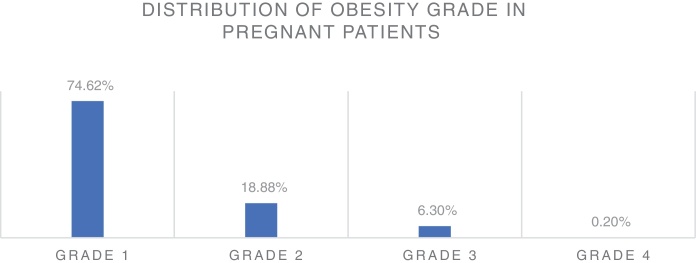
Results and conclusions: Out of 3653 patients, 27.4% had their BMI ≥ 30 kg.m-². Neuraxial techniques are difficult to be performed in obese obstetric patients, as showed by the number of puncture attempts (≥ 3 in 9.1% obese versus 5.3% in non-obese being p < 0.001), but the incidence of complications, as hematic puncture (6.6%) and accidental dural puncture (0.7%) seems to be similar in both obese and non-obese patients. The incidence of cesarean section in obese patients was 23.4% (p < 0.001). Thus, an early performance of epidural analgesia turns out to be essential to control labor pain and to avoid a general anesthesia in such high-risk patients.
Keywords: Cesarean section; Labor analgesia; Neuraxial anesthesia; Obesity.
Copyright © 2021 Sociedade Brasileira de Anestesiologia. Published by Elsevier Editora Ltda. All rights reserved.
Figures
References
-
- Instituto Nacional de Estadística (INE). Índice de masa corporal según grupos de edad (% población de 18 y más años), recuperado de: http://www.ine.es.
-
- Sullivan E.A., Dickinson J.E., Vaughan G.A., et al. and on behalf of the Australasian Maternity Outcomes Surveillance System (AMOSS) – Maternal super-obesity and perinatal postcomes in Australia: a national population-based cohort study. Sullivan et al. BMC Pregnancy Childbirth. 2015;15:322. - PMC - PubMed
MeSH terms
LinkOut - more resources
Full Text Sources
Other Literature Sources
Medical
