


Post-Covid-19 Cholangiopathy-A New Indication for Liver Transplantation: A Case Report
- PMID: 33846012
- PMCID: PMC7953456
- DOI: 10.1016/j.transproceed.2021.03.007
Post-Covid-19 Cholangiopathy-A New Indication for Liver Transplantation: A Case Report
Abstract
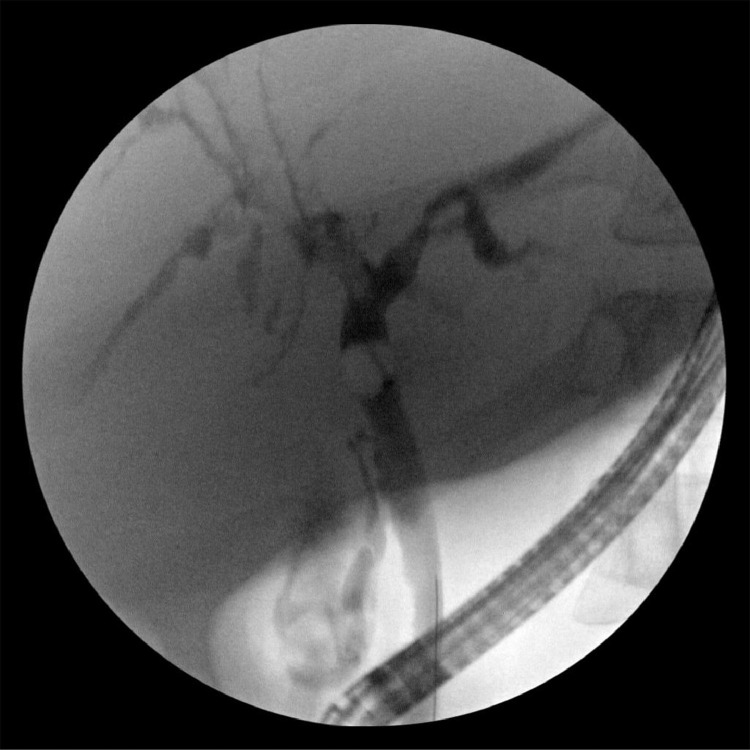
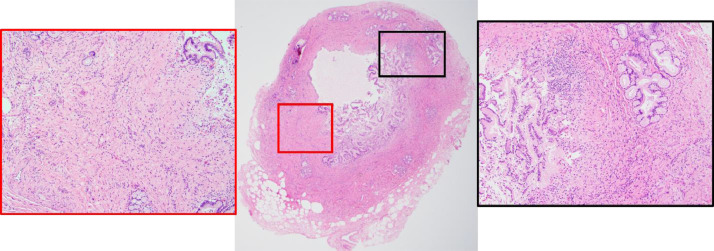
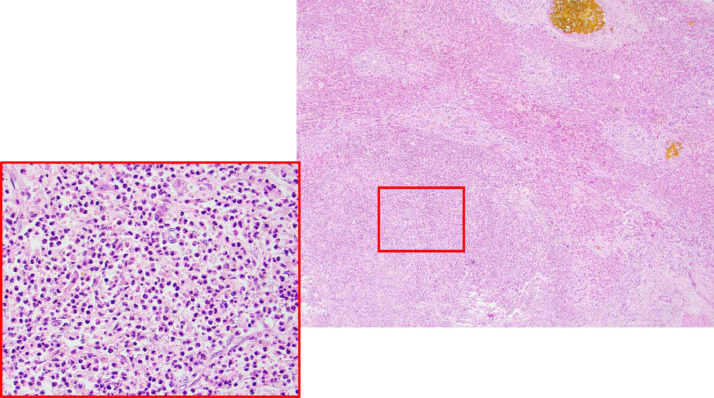
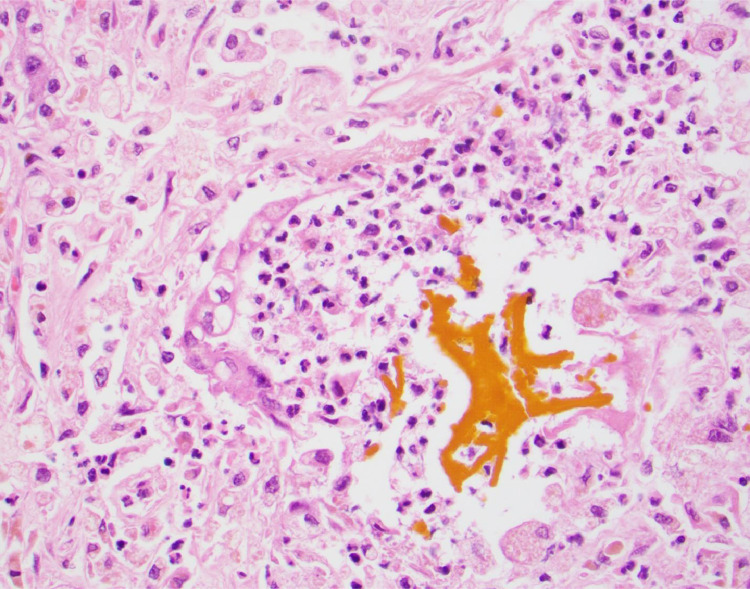
Liver injury is one of the nonpulmonary manifestations described in coronavirus disease 2019 (COVID-19). Post-COVID-19 cholangiopathy is a special entity of liver injury that has been suggested as a variant of secondary sclerosing cholangitis in critically ill patients (SSC-CIP). In the general population, the outcome of SSC-CIP has been reported to be poor without orthotopic liver transplantation (OLT). However, the role of OLT for post-COVID-19 cholangiopathy is unknown. We present a case report of a 47-year-old man who recovered from acute respiratory distress syndrome from COVID-19 and subsequently developed end-stage liver disease from post-COVID-19 cholangiopathy. The patient underwent OLT and is doing well with normal liver tests for 7 months. To our knowledge, this is the first case report of a patient who underwent successful liver transplantation for post-COVID-19 cholangiopathy.
Copyright © 2021 Elsevier Inc. All rights reserved.
Figures
References
-
- Chai X, Lonfei H, Zhang Y, Han W, Lu Z, Ke A, et al. Specific ACE2 expression in cholangiocytes may cause liver damage after 2019-nCoV infection. Bio-Rxiv [Preprint] 2020 https://www.biorxiv.org/content/10.1101/2020.02.03.931766v1 [cited 2020 Apr 6]. Available from: - DOI
Publication types
MeSH terms
LinkOut - more resources
Full Text Sources
Other Literature Sources
Medical
