Progesterone suppresses the progression of colonic carcinoma by increasing the activity of the GADD45α/JNK/c‑Jun signalling pathway
- PMID: 33846816
- PMCID: PMC8054317
- DOI: 10.3892/or.2021.8046
Progesterone suppresses the progression of colonic carcinoma by increasing the activity of the GADD45α/JNK/c‑Jun signalling pathway
Abstract
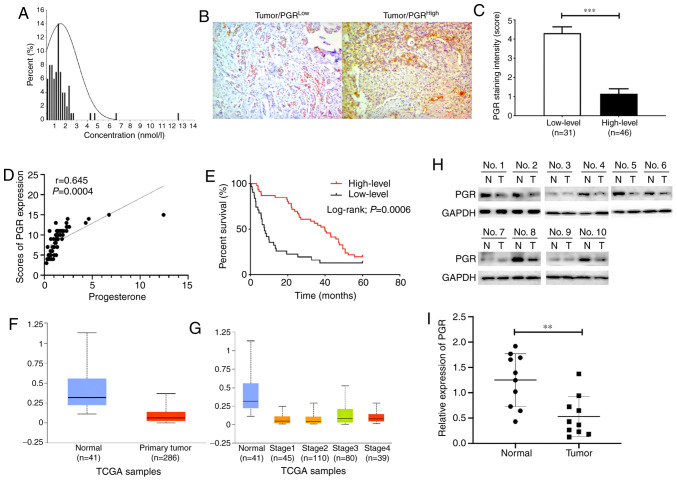
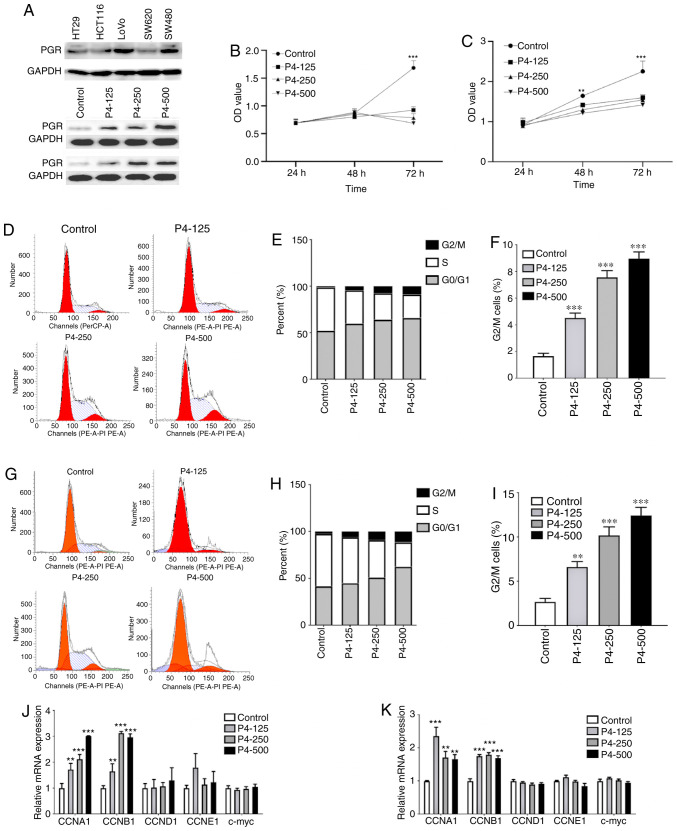
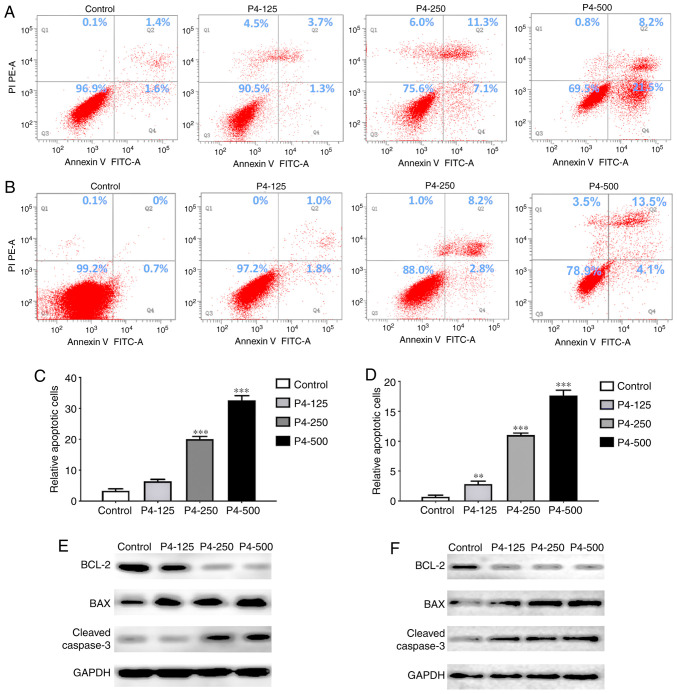
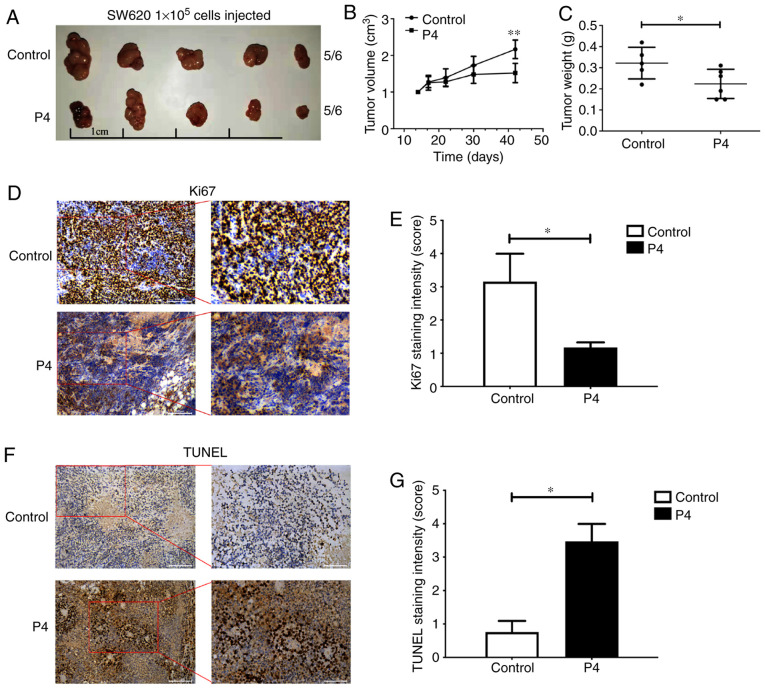
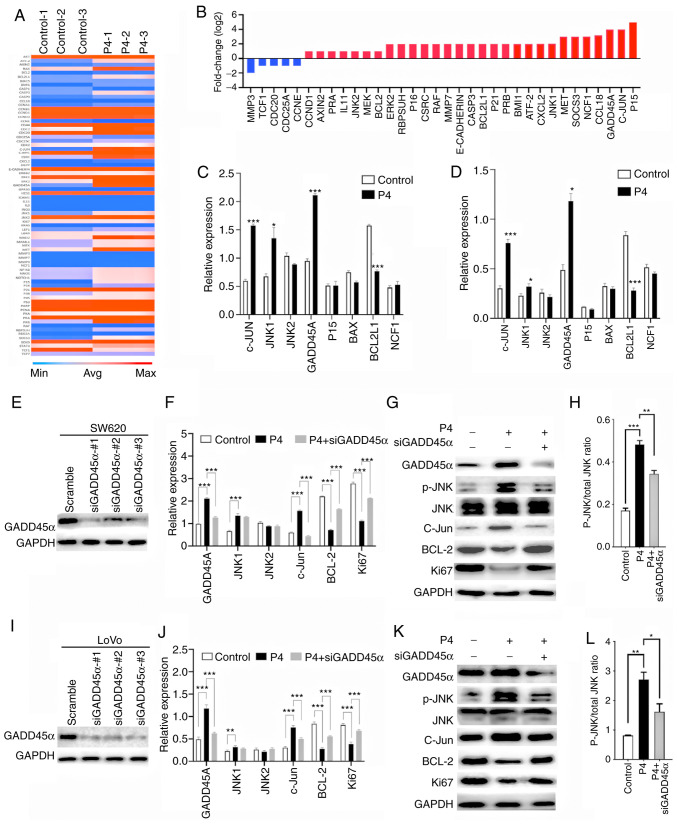
Colorectal cancer (CRC) is the third most diagnosed cancer worldwide. Progesterone is associated with a decreased risk of CRC and leads to a favourable prognosis. However, the specific mechanism by which progesterone suppresses malignant progression remains to be elucidated. In the present study, the level of progesterone was first analysed in 77 patients with CRC, and immunohistochemistry was performed to detect the expression of progesterone receptor (PGR) in the paired specimens. The correlations between progesterone, PGR and CRC prognosis were assessed. A Cell Counting Kit‑8 assay was then used to detect proliferation of the CRC cells. Flow cytometry was performed to estimate apoptosis and to evaluate the cycle of the CRC cells. A xenograft tumour model was established in nude mice to assess the role of progesterone in tumour growth. Finally, a PCR microarray was used to screen differentially expressed genes to further interpret the mechanism by which progesterone inhibits the malignant progression of CRC. It was found that low expression of progesterone and PGR were significantly associated with poor prognosis of CRC. In addition, progesterone suppressed CRC cell proliferation by arresting the cell cycle and inducing apoptosis in vitro. Moreover, the inhibitory role of progesterone in tumour growth was verified in vivo. Further investigation showed that the level of growth arrest and DNA damage‑inducible protein α (GADD45α) was up‑regulated by progesterone, and this was followed by the activation of the JNK pathway. Progesterone increased the activity of the JNK pathway via GADD45α to inhibit proliferation by arresting the cell cycle and inducing apoptosis, thereby suppressing the malignant progression of CRC. Therefore, it can be concluded that progesterone and PGR might act as inhibiting factors for poor prognosis of CRC.
Keywords: progesterone; colorectal carcinoma; proliferation; c‑Jun N‑terminal kinases; GADD45α.
Conflict of interest statement
The authors declare that they have no competing interests.
Figures
References
-
- Tsai HW, Ho CL, Cheng SW, Lin YJ, Chen CC, Cheng PN, Yen CJ, Chang TT, Chiang PM, Chan SH, et al. Progesterone receptor membrane component 1 as a potential prognostic biomarker for hepatocellular carcinoma. World J Gastroenterol. 2018;24:1152–1166. doi: 10.3748/wjg.v24.i10.1152. - DOI - PMC - PubMed
Publication types
MeSH terms
Substances
LinkOut - more resources
Full Text Sources
Other Literature Sources
Research Materials
Miscellaneous