


Dogs Supporting Human Health and Well-Being: A Biopsychosocial Approach
- PMID: 33860004
- PMCID: PMC8042315
- DOI: 10.3389/fvets.2021.630465
Dogs Supporting Human Health and Well-Being: A Biopsychosocial Approach
Abstract
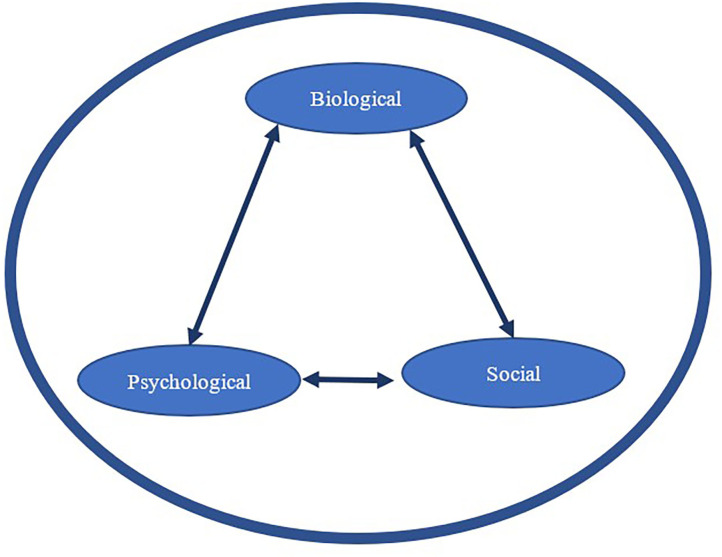
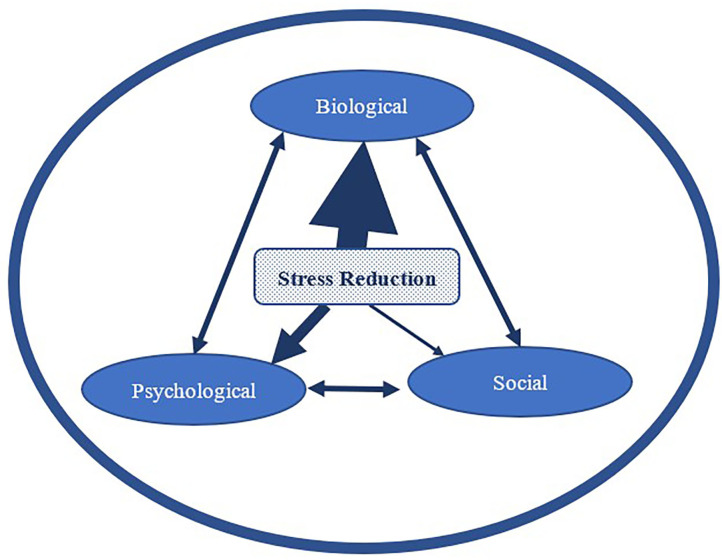
Humans have long realized that dogs can be helpful, in a number of ways, to achieving important goals. This is evident from our earliest interactions involving the shared goal of avoiding predators and acquiring food, to our more recent inclusion of dogs in a variety of contexts including therapeutic and educational settings. This paper utilizes a longstanding theoretical framework- the biopsychosocial model- to contextualize the existing research on a broad spectrum of settings and populations in which dogs have been included as an adjunct or complementary therapy to improve some aspect of human health and well-being. A wide variety of evidence is considered within key topical areas including cognition, learning disorders, neurotypical and neurodiverse populations, mental and physical health, and disabilities. A dynamic version of the biopsychosocial model is used to organize and discuss the findings, to consider how possible mechanisms of action may impact overall human health and well-being, and to frame and guide future research questions and investigations.
Keywords: biopsychosocial; canine; dog; human health; human-animal interaction; mental health.
Copyright © 2021 Gee, Rodriguez, Fine and Trammell.
Conflict of interest statement
The authors declare that the research was conducted in the absence of any commercial or financial relationships that could be construed as a potential conflict of interest.
Figures
References
Publication types
LinkOut - more resources
Full Text Sources
Other Literature Sources
