


Autonomic dysfunction following COVID-19 infection: an early experience
- PMID: 33860871
- PMCID: PMC8050227
- DOI: 10.1007/s10286-021-00803-8
Autonomic dysfunction following COVID-19 infection: an early experience
Abstract
Purpose: Post-COVID-19 syndrome is a poorly understood aspect of the current pandemic, with clinical features that overlap with symptoms of autonomic/small fiber dysfunction. An early systematic analysis of autonomic dysfunction following COVID-19 is lacking and may provide initial insights into the spectrum of this condition.
Methods: We conducted a retrospective review of all patients with confirmed history of COVID-19 infection referred for autonomic testing for symptoms concerning for para-/postinfectious autonomic dysfunction at Mayo Clinic Rochester or Jacksonville between March 2020 and January 2021.
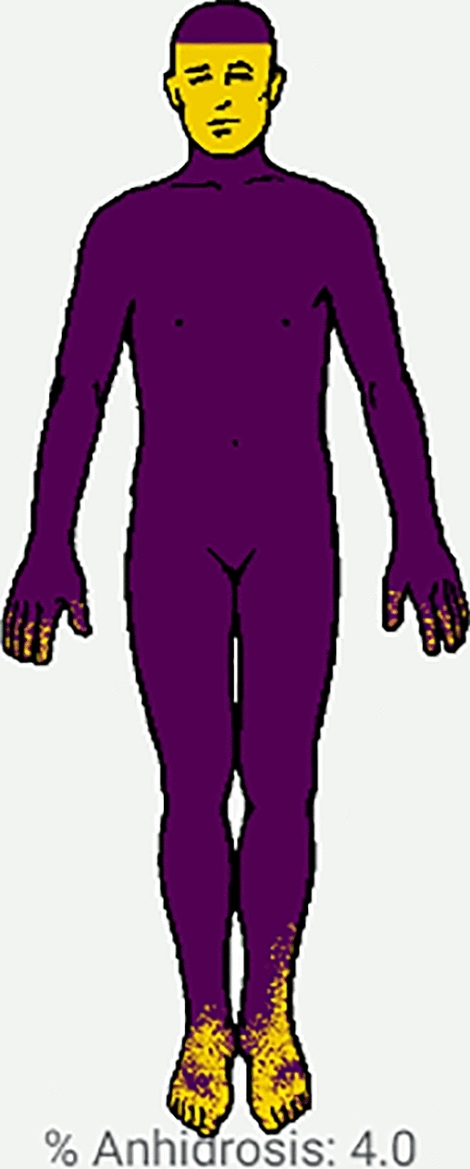
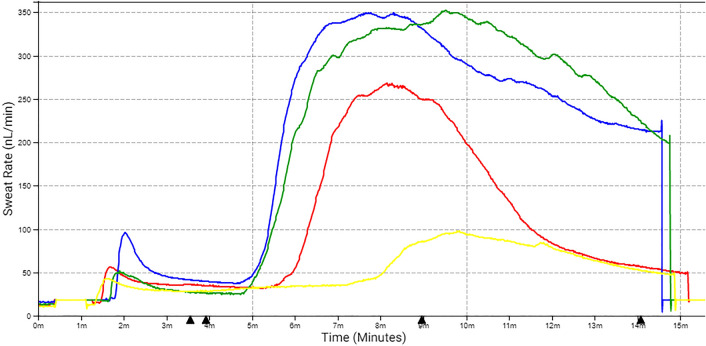
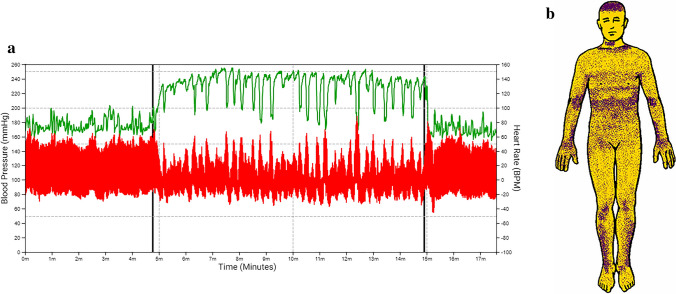
Results: We identified 27 patients fulfilling the search criteria. Symptoms developed between 0 and 122 days following the acute infection and included lightheadedness (93%), orthostatic headache (22%), syncope (11%), hyperhidrosis (11%), and burning pain (11%). Sudomotor function was abnormal in 36%, cardiovagal function in 27%, and cardiovascular adrenergic function in 7%. The most common clinical scenario was orthostatic symptoms without tachycardia or hypotension (41%); 22% of patients fulfilled the criteria for postural tachycardia syndrome (POTS), and 11% had borderline findings to support orthostatic intolerance. One patient each was diagnosed with autoimmune autonomic ganglionopathy, inappropriate sinus tachycardia, vasodepressor syncope, cough/vasovagal syncope, exacerbation of preexisting orthostatic hypotension, exacerbation of sensory and autonomic neuropathy, and exacerbation of small fiber neuropathy.
Conclusion: Abnormalities on autonomic testing were seen in the majority of patients but were mild in most cases. The most common finding was orthostatic intolerance, often without objective hemodynamic abnormalities on testing. Unmasking/exacerbation of preexisting conditions was seen. The temporal association between infection and autonomic symptoms implies a causal relationship, which however cannot be proven by this study.
Keywords: Autoimmune autonomic ganglionopathy; Autonomic diseases; COVID-19; Orthostatic intolerance; Postural orthostatic tachycardia syndrome.
Conflict of interest statement
On behalf of all authors, the corresponding author states that there is no conflict of interest.
Figures
References
-
- Centers for Disease Control and Prevention (2021) COVID-19 Cases, data and surveillance. URL https://www.cdc.gov/coronavirus/2019-ncov/cases-updates/ (Accessed 27 Feb 2021).
-
- Collins FS (2021) NIH launches new initiative to study “Long COVID”. URL: https://www.nih.gov/about-nih/who-we-are/nih-director/statements/nih-lau.... Accessed 27 Feb 2021
Publication types
MeSH terms
Grants and funding
LinkOut - more resources
Full Text Sources
Other Literature Sources
Medical
