Pilot study on the effects of low intensity focused ultrasound in a swine model of neuropathic pain
- PMID: 33862597
- PMCID: PMC10804417
- DOI: 10.3171/2020.9.JNS202962
Pilot study on the effects of low intensity focused ultrasound in a swine model of neuropathic pain
Abstract
Objective: The authors' laboratory has previously demonstrated beneficial effects of noninvasive low intensity focused ultrasound (liFUS), targeted at the dorsal root ganglion (DRG), for reducing allodynia in rodent neuropathic pain models. However, in rats the DRG is 5 mm below the skin when approached laterally, while in humans the DRG is typically 5-8 cm deep. Here, using a modified liFUS probe, the authors demonstrated the feasibility of using external liFUS for modulation of antinociceptive responses in neuropathic swine.
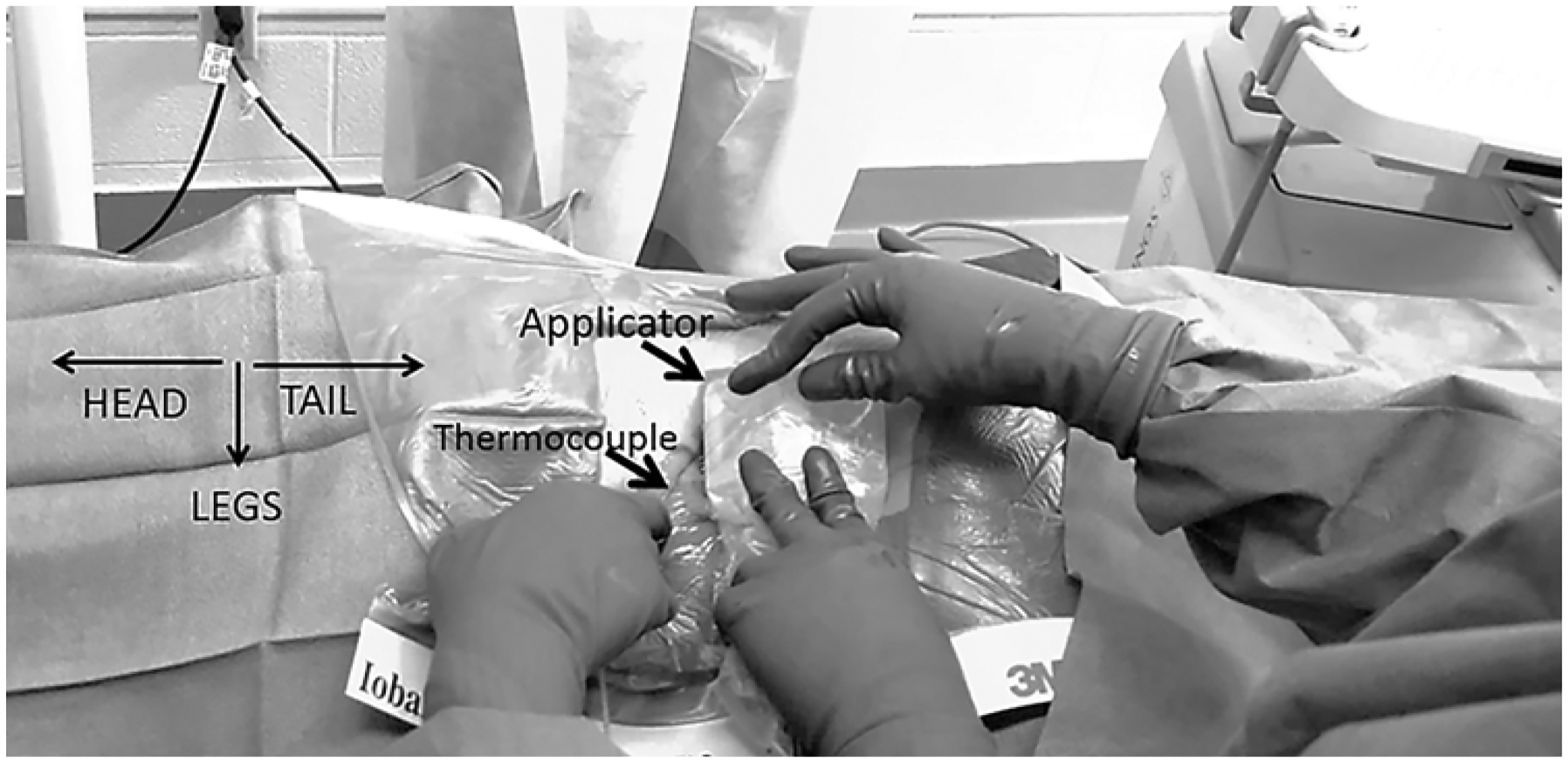
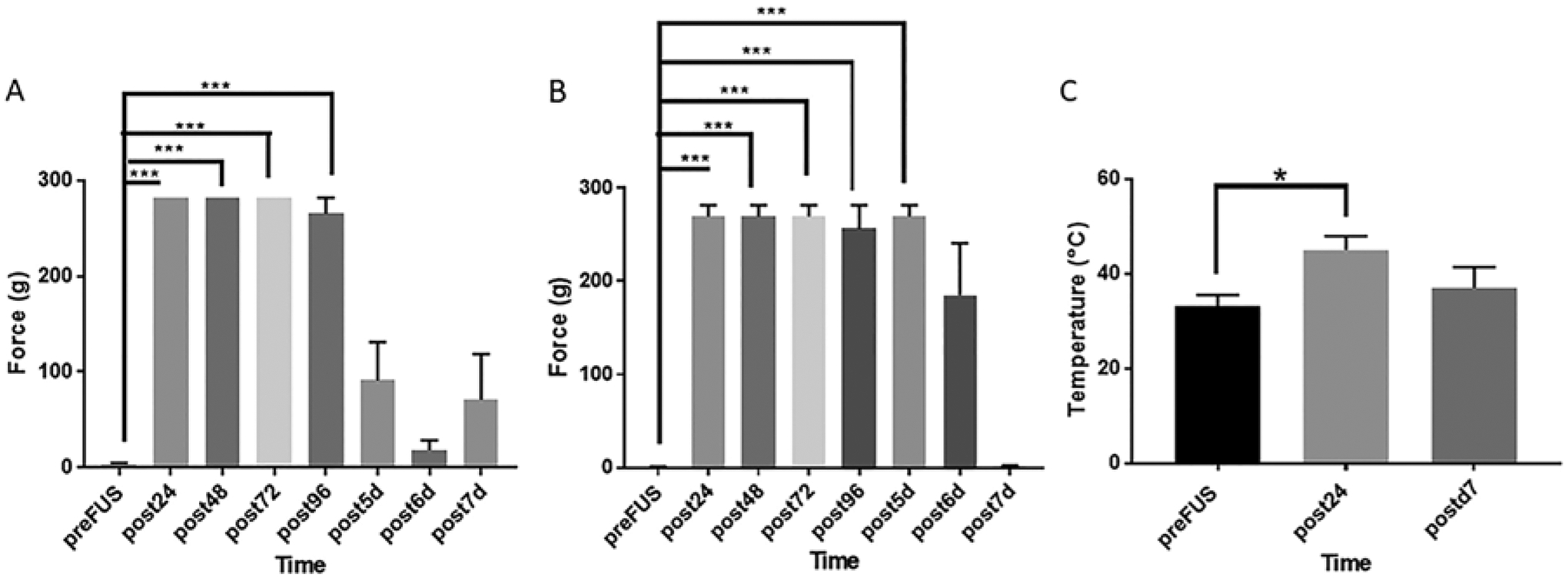
Methods: Two cohorts of swine underwent a common peroneal nerve injury (CPNI) to induce neuropathic pain. In the first cohort, pigs (14 kg) were iteratively tested to determine treatment parameters. liFUS penetration to the L5 DRG was verified by using a thermocouple to monitor tissue temperature changes and by measuring nerve conduction velocity (NCV) at the corresponding common peroneal nerve (CPN). Pain behaviors were monitored before and after treatment. DRG was evaluated for tissue damage postmortem. Based on data from the first cohort, a treatment algorithm was developed, parameter predictions were verified, and neuropathic pain was significantly modified in a second cohort of larger swine (20 kg).
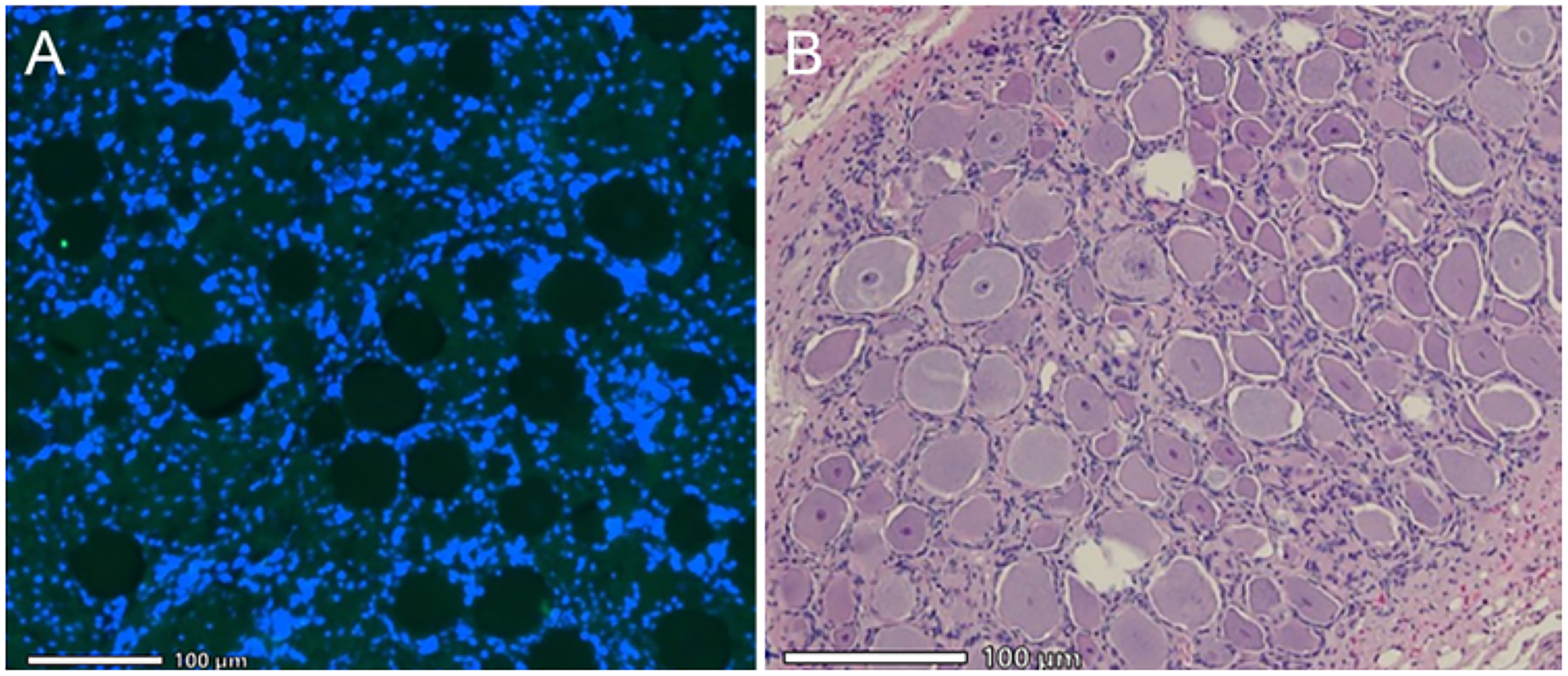
Results: The authors performed a dose-response curve analysis in 14-kg CPNI swine. Specifically, after confirming that the liFUS probe could reach 5 cm in ex vivo tissue experiments, the authors tested liFUS in 14-kg CPNI swine. The mean ± SEM DRG depth was 3.79 ± 0.09 cm in this initial cohort. The parameters were determined and then extrapolated to larger animals (20 kg), and predictions were verified. Tissue temperature elevations at the treatment site did not exceed 2°C, and the expected increases in the CPN NCV were observed. liFUS treatment eliminated pain guarding in all animals for the duration of follow-up (up to 1 month) and improved allodynia for 5 days postprocedure. No evidence of histological damage was seen using Fluoro-Jade and H&E staining.
Conclusions: The results demonstrate that a 5-cm depth can be reached with external liFUS and alters pain behavior and allodynia in a large-animal model of neuropathic pain.
Keywords: noninvasive modulatory ultrasound; pain; peripheral nerve; pigs; preclinical.
Figures
References
-
- Kumar K, Taylor RS, Jacques L, et al. The effects of spinal cord stimulation in neuropathic pain are sustained: a 24-month follow-up of the prospective randomized controlled multicenter trial of the effectiveness of spinal cord stimulation. Neurosurgery. 2008;63(4):762–770. - PubMed
-
- Hellman A, Maietta T, Byraju K, et al. Low intensity focused ultrasound modulation of vincristine induced neuropathy. Neuroscience. 2020;430:82–93. - PubMed
-
- Hellman A, Maietta T, Byraju K, et al. Effects of external low intensity focused ultrasound on electrophysiological changes in vivo in a rodent model of common peroneal nerve injury. Neuroscience. 2020;429:264–272. - PubMed
Grants and funding
LinkOut - more resources
Full Text Sources
Other Literature Sources