


Possible Potential Effects of Honey and Its Main Components Against Covid-19 Infection
- PMID: 33867892
- PMCID: PMC8020257
- DOI: 10.1177/1559325820982423
Possible Potential Effects of Honey and Its Main Components Against Covid-19 Infection
Abstract
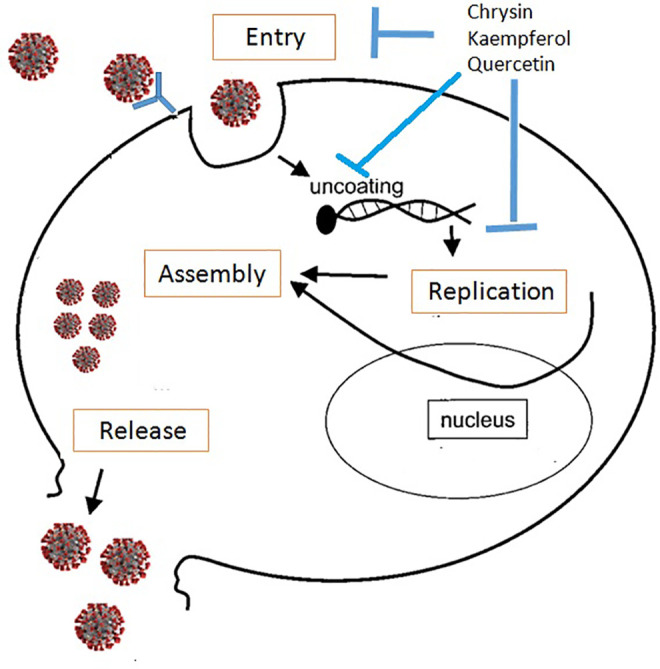
Coronavirus disease 2019 (COVID-19) is a viral pneumonia that is spreading rapidly worldwide. The main feature of this disease is a severe acute respiratory syndrome and caused by coronavirus 2 (SARS-CoV-2). There are several unknowns about the pathogenesis and therapeutically treatment of COVID-19 infection. In addition, available treatment protocols have not been effective in managing COVID-19 infection. It is proposed that natural anti-oxidants such as lemon, green tea, saffron, curcuma longa, etc. with high flavonoids like safranal, crocin, crocetin, catechins, resveratrol, calebin A, curcumin have therapeutic potential against viral infections. In this context, honey and its main components are being investigated as an option for patients with COVID-19. The present study may indicate that honey and its main components inhibit the entry of the virus into the host cell and its replication as well as modulate the inflammatory cascade. This review provides basic information for the possible potential effects of honey and its main components for fighting with SARS-CoV-2.
Keywords: COVID-19; SARS-CoV; SARS-CoV-2; acute respiratory distress syndrome; honey; viral infection.
© The Author(s) 2021.
Conflict of interest statement
Declaration of Conflicting Interests: The author(s) declared no potential conflicts of interest with respect to the research, authorship, and/or publication of this article. Declaration of Conflicting Interests: The author(s) received no financial support for the research, authorship, and/or publication of this article.
Figures
References
-
- Kaur J, Kaur R, Kaur A. Dietary Antioxidants and Infectious Diseases, in Infectious Diseases and Your Health. Springer; 2018:307–316.
-
- World Health Organization. WHO Guidelines for Indoor Air Quality: Household Fuel Combustion. World Health Organization; 2014. - PubMed
Publication types
LinkOut - more resources
Full Text Sources
Other Literature Sources
Miscellaneous
