


Awareness, acceptability, and intention to initiate HIV pre-exposure prophylaxis among pregnant women
- PMID: 33874801
- PMCID: PMC8523573
- DOI: 10.1080/09540121.2021.1916870
Awareness, acceptability, and intention to initiate HIV pre-exposure prophylaxis among pregnant women
Abstract
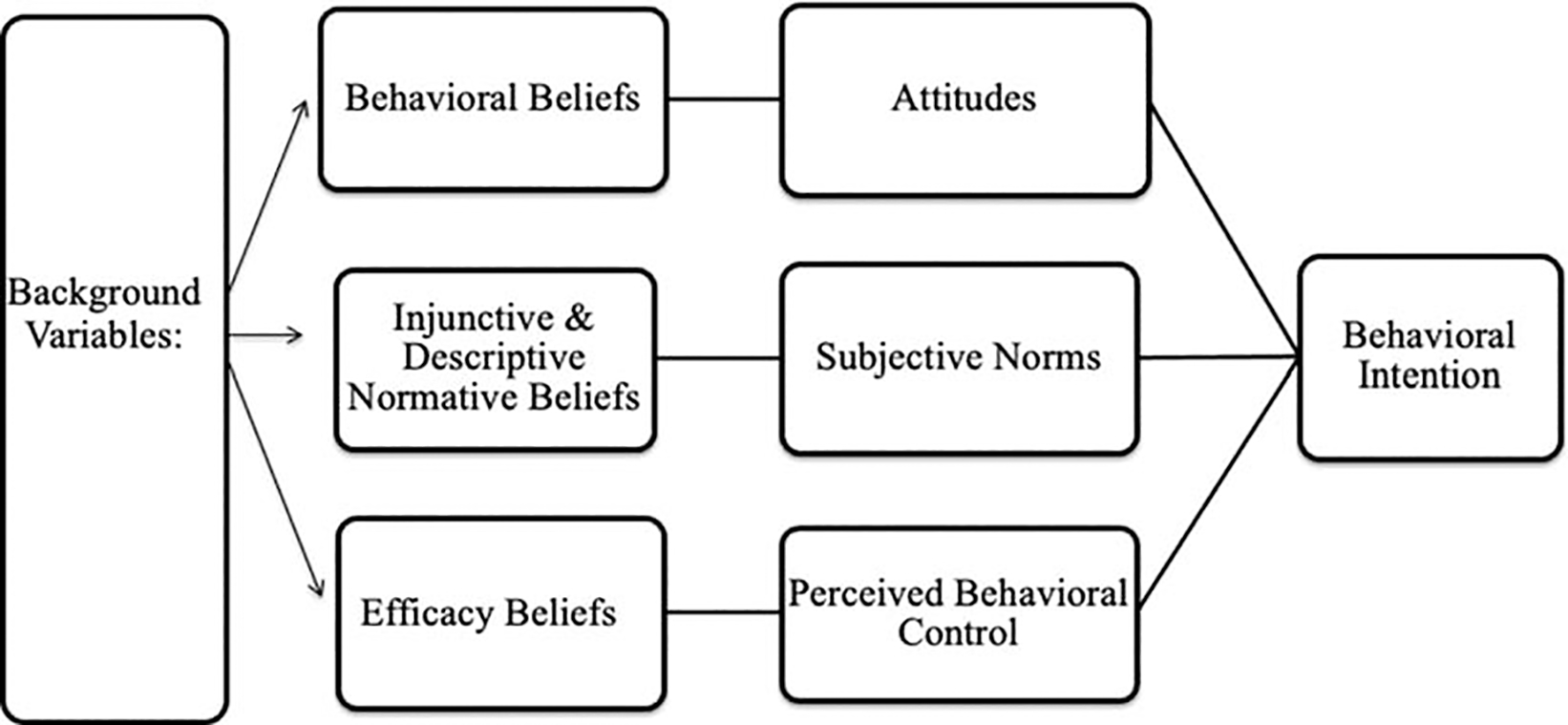
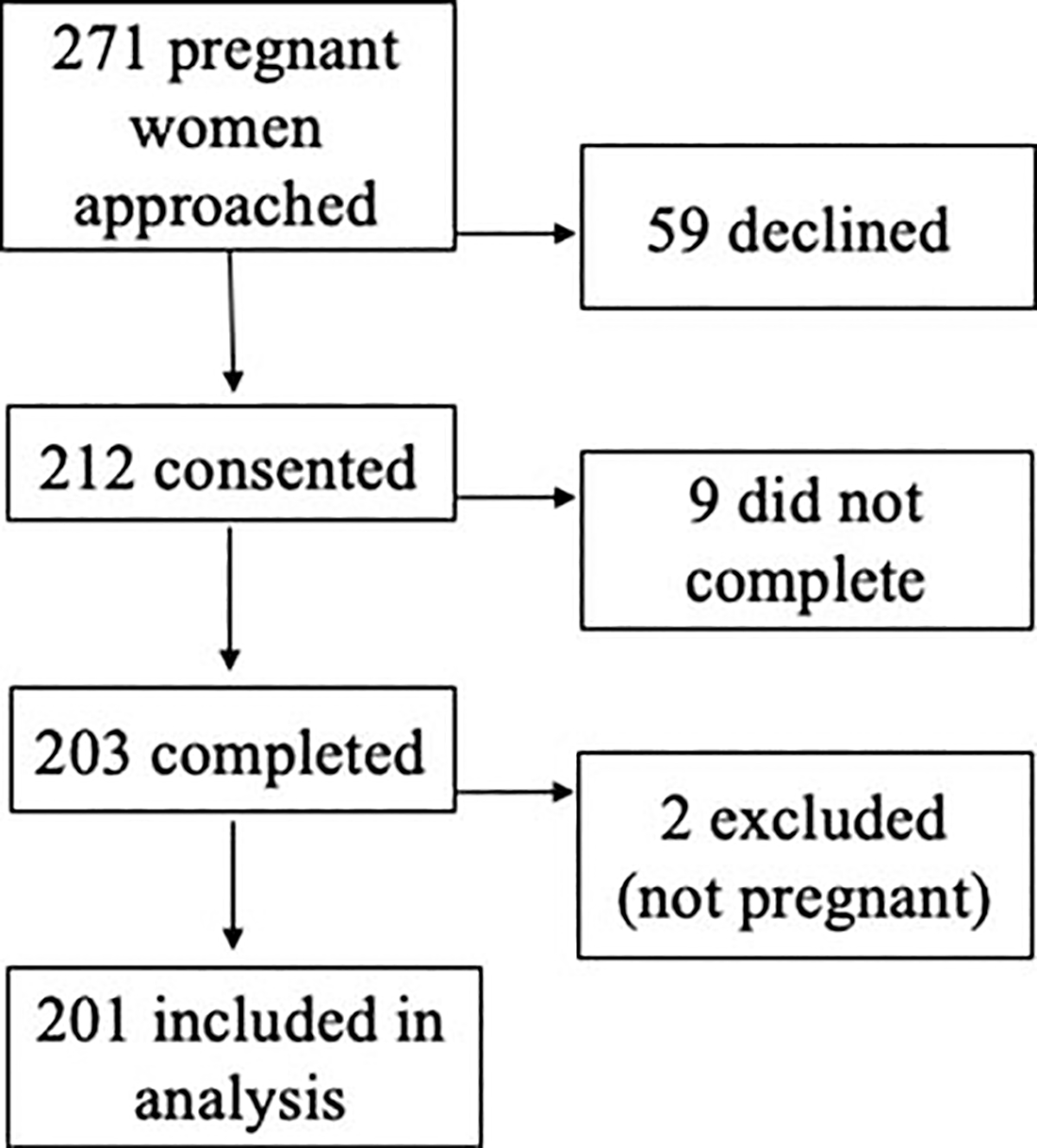
HIV prevention is critically important during pregnancy, however, pre-exposure prophylaxis (PrEP) is underutilized. We conducted a survey of pregnant and non-pregnant women in a high HIV prevalence community in Washington D.C. to evaluate determinants of PrEP initiation during pregnancy. 201 pregnant women and a reference population of 1103 non-pregnant women completed the survey. Among pregnant women, mean age was 26.9 years; the majority were Black with household-incomes below the federal poverty level. Despite low perceived risk of HIV acquisition and low prior awareness of PrEP, 10.5% of respondents planned to initiate PrEP during pregnancy. Pregnant women identified safety, efficacy, and social network and medical provider support as key factors in PrEP uptake intention. The belief that PrEP will "protect (their) baby from HIV" was associated with PrEP uptake intention during pregnancy. Concerns regarding maternal/fetal side effects, and safety in pregnancy or while breastfeeding were not identified as deterrents to uptake intention. When compared to a nonpregnant sample, there were no significant differences in uptake intention between the two samples. These findings support the need for prenatal educational interventions to promote HIV prevention during pregnancy, as well as interventions that center on the role of providers in the provision of PrEP.
Keywords: Behavioral intention; HIV prevention; Human Immunodeficiency Virus (HIV); Integrated Model of Behavior Prediction; high prevalence; pre-exposure prophylaxis (PrEP); pregnancy; psychosocial determinants; reasoned action approach; women.
Conflict of interest statement
Disclosure statement
No potential conflict of interest was reported by the author(s).
Figures
References
-
- AIDSVu. (n.d.). Mapping PrEP: First ever data on PrEP users across the U.S. Retrieved November 5, 2019, from https://aidsvu.org/prep/
-
- Baeten JM, Donnell D, Ndase P, Mugo NR, Campbell JD, Wangisi J, Tappero JW, Bukusi EA, Cohen CR, Katabira E, Ronald A, Tumwesigye E, Were E, Fife KH, Kiarie J, Farquhar C, John-Stewart G, Kakia A, Odoyo J, … Celum C (2012). Antiretroviral prophylaxis for HIV prevention in heterosexual men and women. New England Journal of Medicine, 367(5), 399–410. 10.1056/NEJMoa1108524 - DOI - PMC - PubMed
Publication types
MeSH terms
Substances
Grants and funding
LinkOut - more resources
Full Text Sources
Other Literature Sources
Medical
Miscellaneous
