Selenomethionine protects hematopoietic stem/progenitor cells against cobalt nanoparticles by stimulating antioxidant actions and DNA repair functions
- PMID: 33875618
- PMCID: PMC8109066
- DOI: 10.18632/aging.202865
Selenomethionine protects hematopoietic stem/progenitor cells against cobalt nanoparticles by stimulating antioxidant actions and DNA repair functions
Abstract
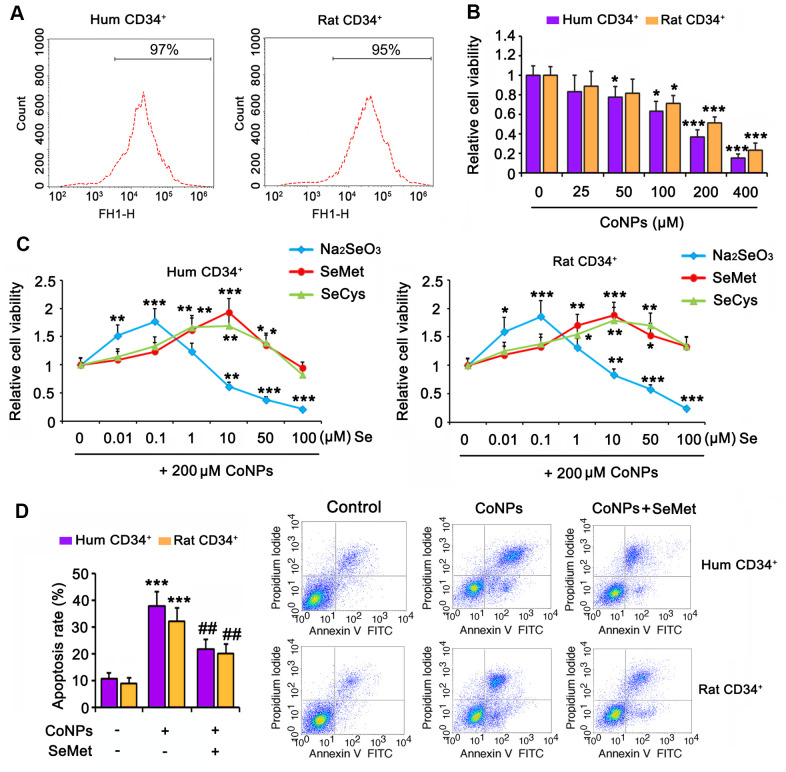
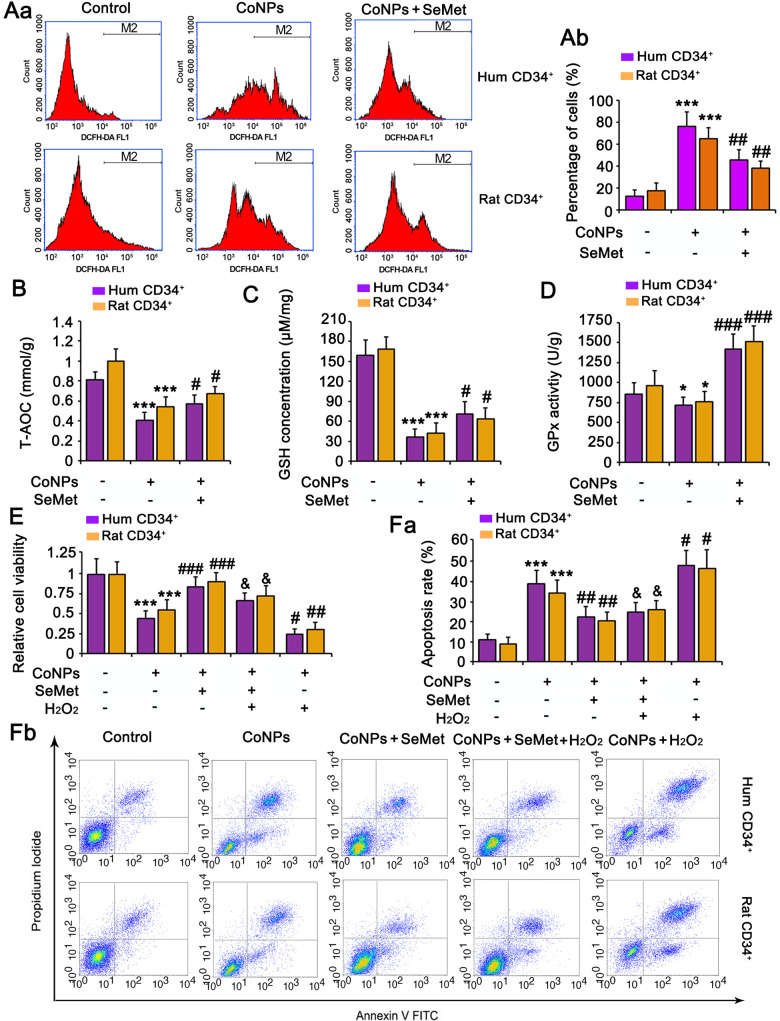
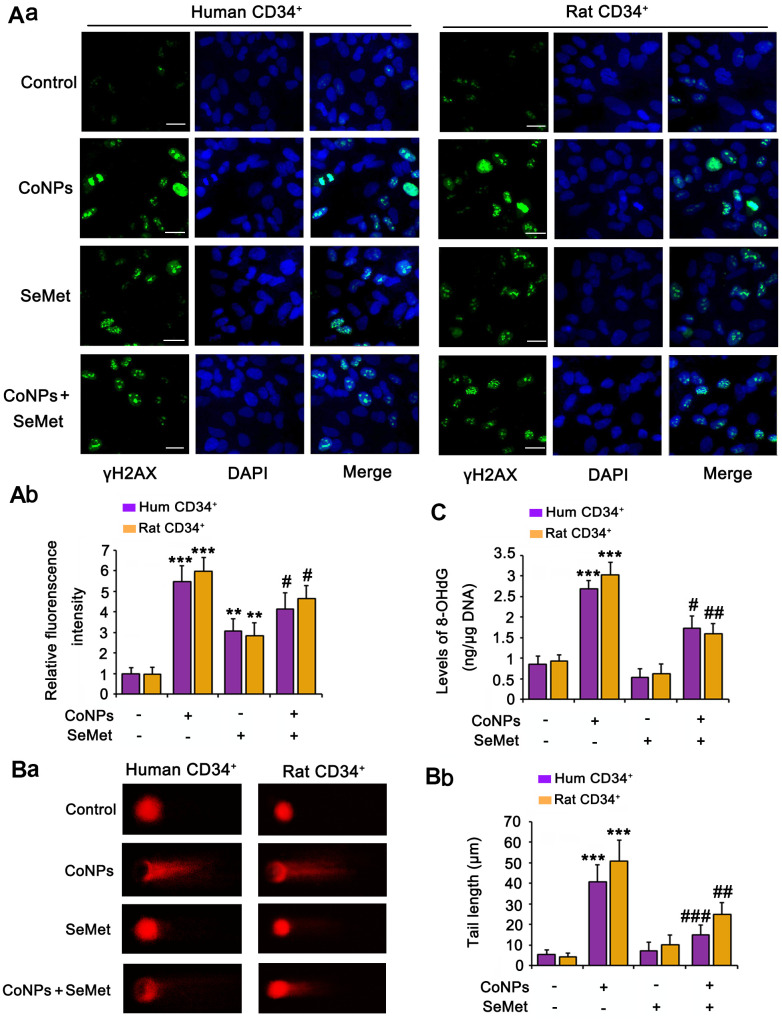
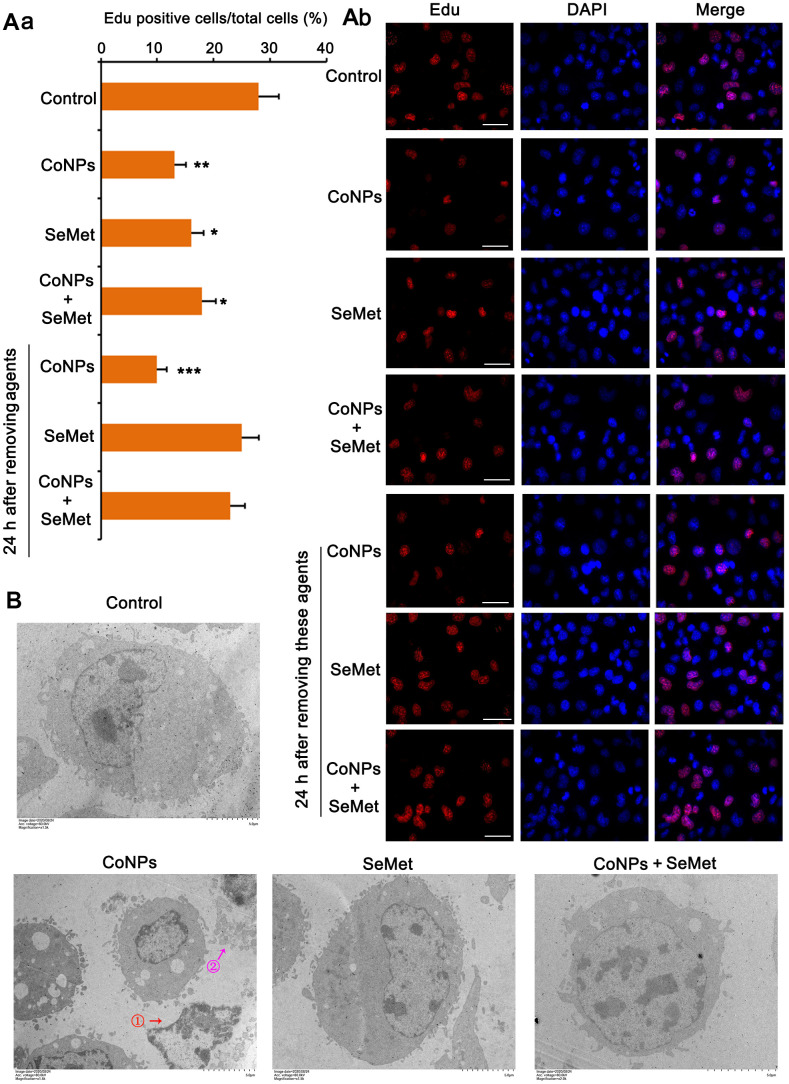
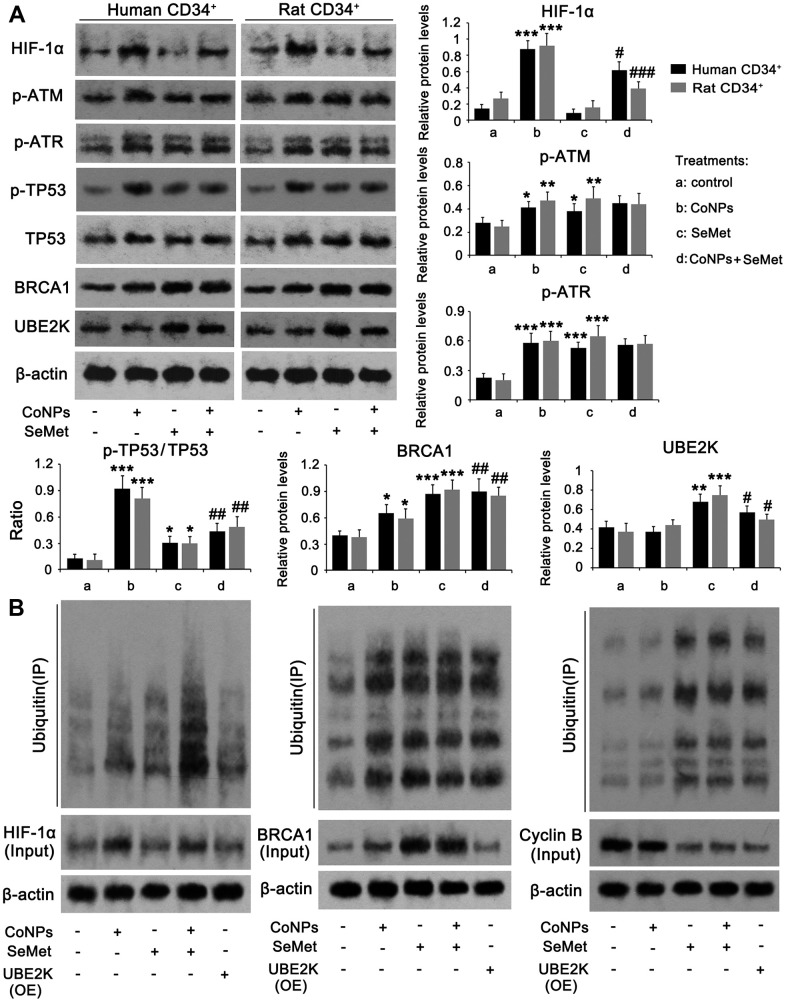
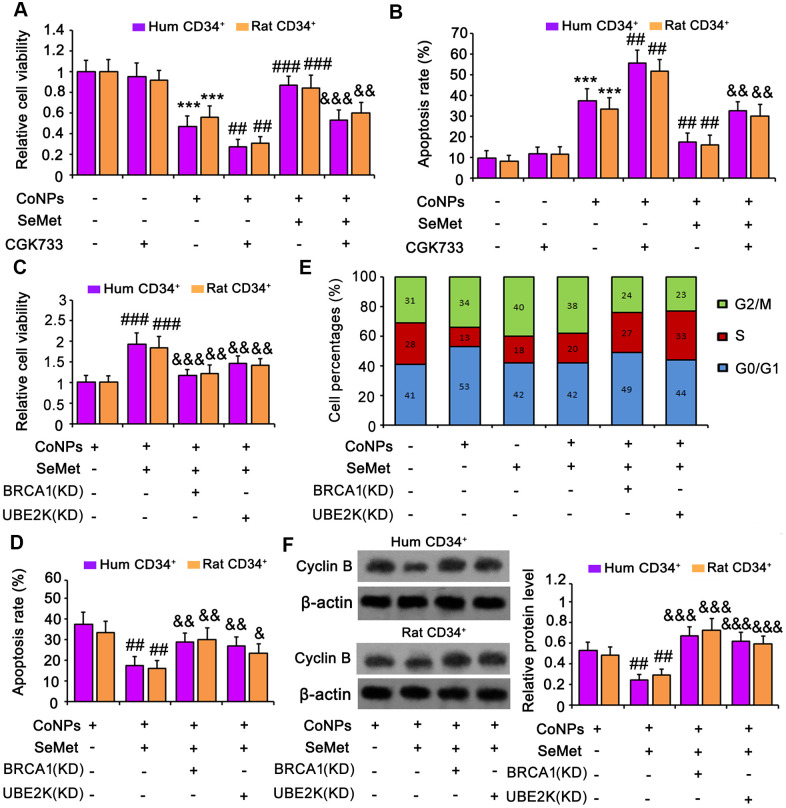
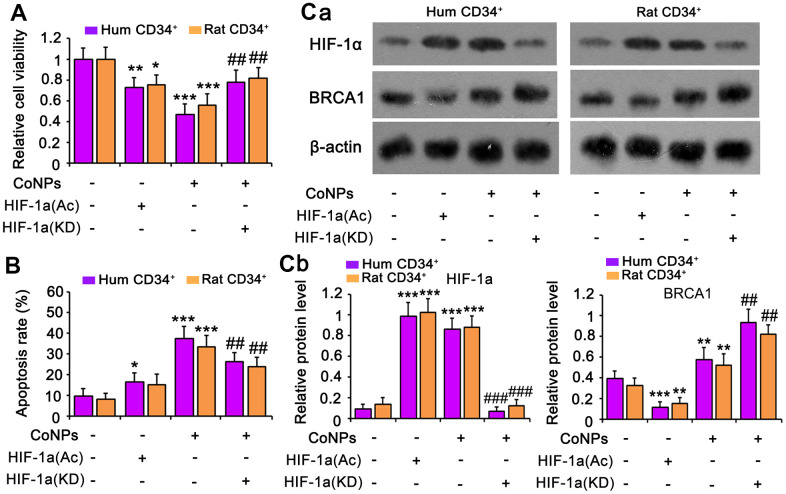
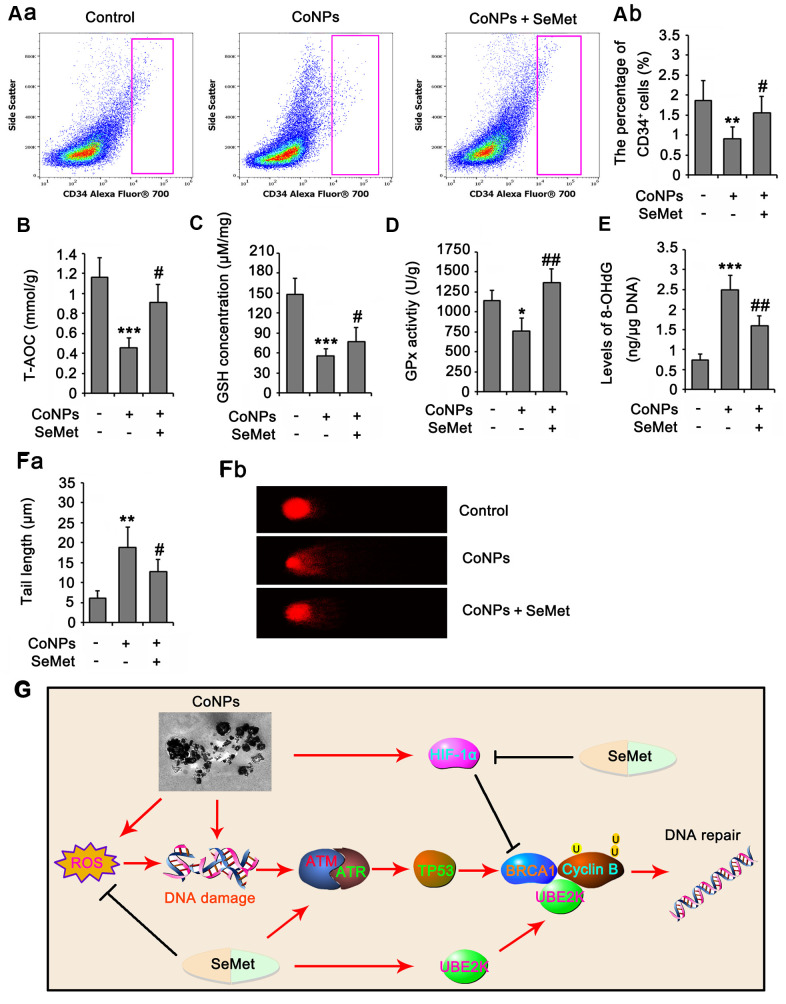
Hematopoietic stem cells (HSCs) and hematopoietic progenitor cells (HPCs) can differentiate into all blood lineages to maintain hematopoiesis, wound healing, and immune functions. Recently, cobalt-chromium alloy casting implants have been used extensively in total hip replacements; however, cobalt nanoparticles (CoNPs) released from the alloy were toxic to HSCs and HPCs. We aimed to investigate the mechanism underlying the toxic effect of CoNPs on HSCs/HPCs and to determine the protective effect of selenomethionine (SeMet) against CoNPs in vitro and in vivo. Human and rat CD34+ HSCs/HPCs were isolated from cord blood and bone marrow, respectively. CoNPs decreased the viability of CD34+ HSCs/HPCs and increased apoptosis. SeMet attenuated the toxicity of CoNPs by enhancing the antioxidant ability of cells. The protective effect of SeMet was not completely abolished after adding H2O2 to abrogate the improvement of the antioxidant capacity by SeMet. SeMet and CoNPs stimulated ATM/ATR DNA damage response signals and inhibited cell proliferation. Unlike CoNPs, SeMet did not damage the DNA, and cell proliferation recovered after removing SeMet. SeMet inhibited the CoNP-induced upregulation of hypoxia inducible factor (HIF)-1α, thereby disrupting the inhibitory effect of HIF-1α on breast cancer type 1 susceptibility protein (BRCA1). Moreover, SeMet promoted BRCA1-mediated ubiquitination of cyclin B by upregulating UBE2K. Thus, SeMet enhanced cell cycle arrest and DNA repair post-CoNP exposure. Overall, SeMet protected CD34+ HSCs/HPCs against CoNPs by stimulating antioxidant activity and DNA repair.
Keywords: DNA repair function; antioxidant action; cobalt nanoparticles; hematopoietic stem/progenitor cells; selenium.
Conflict of interest statement
Figures
References
-
- Sabbioni E, Fortaner S, Farina M, Del Torchio R, Olivato I, Petrarca C, Bernardini G, Mariani-Costantini R, Perconti S, Di Giampaolo L, Gornati R, Di Gioacchino M. Cytotoxicity and morphological transforming potential of cobalt nanoparticles, microparticles and ions in Balb/3T3 mouse fibroblasts: an in vitro model. Nanotoxicology. 2014; 8:455–64. 10.3109/17435390.2013.796538 - DOI - PubMed
-
- Laovitthayanggoon S, Henderson CJ, McCluskey C, MacDonald M, Tate RJ, Grant MH, Currie S. Cobalt administration causes reduced contractility with parallel increases in TRPC6 and TRPM7 transporter protein expression in adult rat hearts. Cardiovasc Toxicol. 2019; 19:276–86. 10.1007/s12012-018-9498-3 - DOI - PMC - PubMed
Publication types
MeSH terms
Substances
LinkOut - more resources
Full Text Sources
Other Literature Sources
Medical
Research Materials
Miscellaneous