Review
. 2021 Jun;27(6):452-466.
doi: 10.1016/j.jtct.2021.02.035. Epub 2021 Mar 2.

National Institutes of Health Consensus Development Project on Criteria for Clinical Trials in Chronic Graft-versus-Host Disease: I. The 2020 Etiology and Prevention Working Group Report

Affiliations
Review

National Institutes of Health Consensus Development Project on Criteria for Clinical Trials in Chronic Graft-versus-Host Disease: I. The 2020 Etiology and Prevention Working Group Report

Kirsten M Williams et al. Transplant Cell Ther. 2021 Jun.

Abstract

Preventing chronic graft-versus-host disease (GVHD) remains challenging because the unique cellular and molecular pathways that incite chronic GVHD are poorly understood. One major point of intervention for potential prevention of chronic GVHD occurs at the time of transplantation when acute donor anti-recipient immune responses first set the events in motion that result in chronic GVHD. After transplantation, additional insults causing tissue injury can incite aberrant immune responses and loss of tolerance, further contributing to chronic GVHD. Points of intervention are actively being identified so that chronic GVHD initiation pathways can be targeted without affecting immune function. The major objective in the field is to continue basic studies and to translate what is learned about etiopathology to develop targeted prevention strategies that decrease the risk of morbid chronic GVHD without increasing the risks of cancer relapse or infection. Development of strategies to predict the risk of developing debilitating or deadly chronic GVHD is a high research priority. This working group recommends further interrogation into the mechanisms underpinning chronic GVHD development, and we highlight considerations for future trial design in prevention trials.


Conflict of interest statement

Financial disclosure:

Conflict of interest statement: K.M.W.: none. Y.I.: advisory boards for Novartis, Janssen and Meiji Seika Pharma. A.I.: none. B.H.: advisory board for Syndax. J.K.: research support from Amgen, BMS, Clinigen, Equillium, Miltenyi Biotec, and Regeneron Pharmaceuticals; advisory boards for Cugene and Therakos; consulting income from Biolojic Design, EMD Serono, Equillium, Gentibio, Moderna and Nekonal Oncology. M.A.: consultant for Fate Therapeutics; research funding from Pharmacyclics, Kadmon and Syndax. I.P.: advisory boards for Incyte, Kadmon and Syndax. J.W.M.: none. P.A.C.: consultant for Fate Therapeutics. L.L.: Receives research support from Genentech and Merck, serves on the advisory board: AbbVie, Talaris Therapeutics, PrecisionBiosciences and is a patent holder for WindMIL Therapeutics. P.R.: none. J.R.: research funding from Amgen, Equillium and Kite Pharma; Data Monitoring Committee for Avrobio; consulting income from BMS/Celgene, Infinity Pharmaceuticals, LifeVault Bio, Rheos Medicines, Talaris Therapeutics and TScan Therapeutics. H.G.: none. S.P.: Patent applications (US 20130115232A1 and WO2013066369A3) on “Methods of detection of graft versus host disease” licensed to ViaCore-IBT laboratories. B.R.B.: advisory boards for Magenta Therapeutics and BlueRock Therapeutics. Research funding from BlueRock Therapeutics. Steering committee: Kadmon Corporation. Co-founder Tmunity Therapeutics. J.P.: Consulting and advisory board membership – Syndax, CTI Biopharma, Amgen, Regeneron; Clinical trial support - Novartis, Amgen, Takeda, Janssen, Johnson and Johnson, Pharmacyclics, Abbvie, CTI Biopharma, BMS. C.C.: Consulting/Honoraria from: Incyte, Jazz, CareDx, Mesoblast, Syndax, Omeros, Pfizer. DW: advisory board Novartis and Incyte, DSMB: Novartis and Behring, honoraria from Takeda, Gilead, Pfizer and Neovii. K.R.S: DSMB member BMS/Juno, Advisory board Jazz, Novartis, Janssen. S.Z.P: none. S.J.L.: Research funding from Amgen, AstraZeneca, Incyte, Kadmon, Novartis, Pfizer, Syndax, Takeda. Steering committee: Incyte. P.J.M.: advisory boards for Mesoblast and Rigel Pharmaceuticals Inc.; honoraria from Janssen. G.S.: advisory boards for Novartis, Incyte, Pharmacyclics, Amgen, and Xenikos. S.S.: advisory board for Rigel Pharmaceuticals Inc.

Figures

Figure 1.
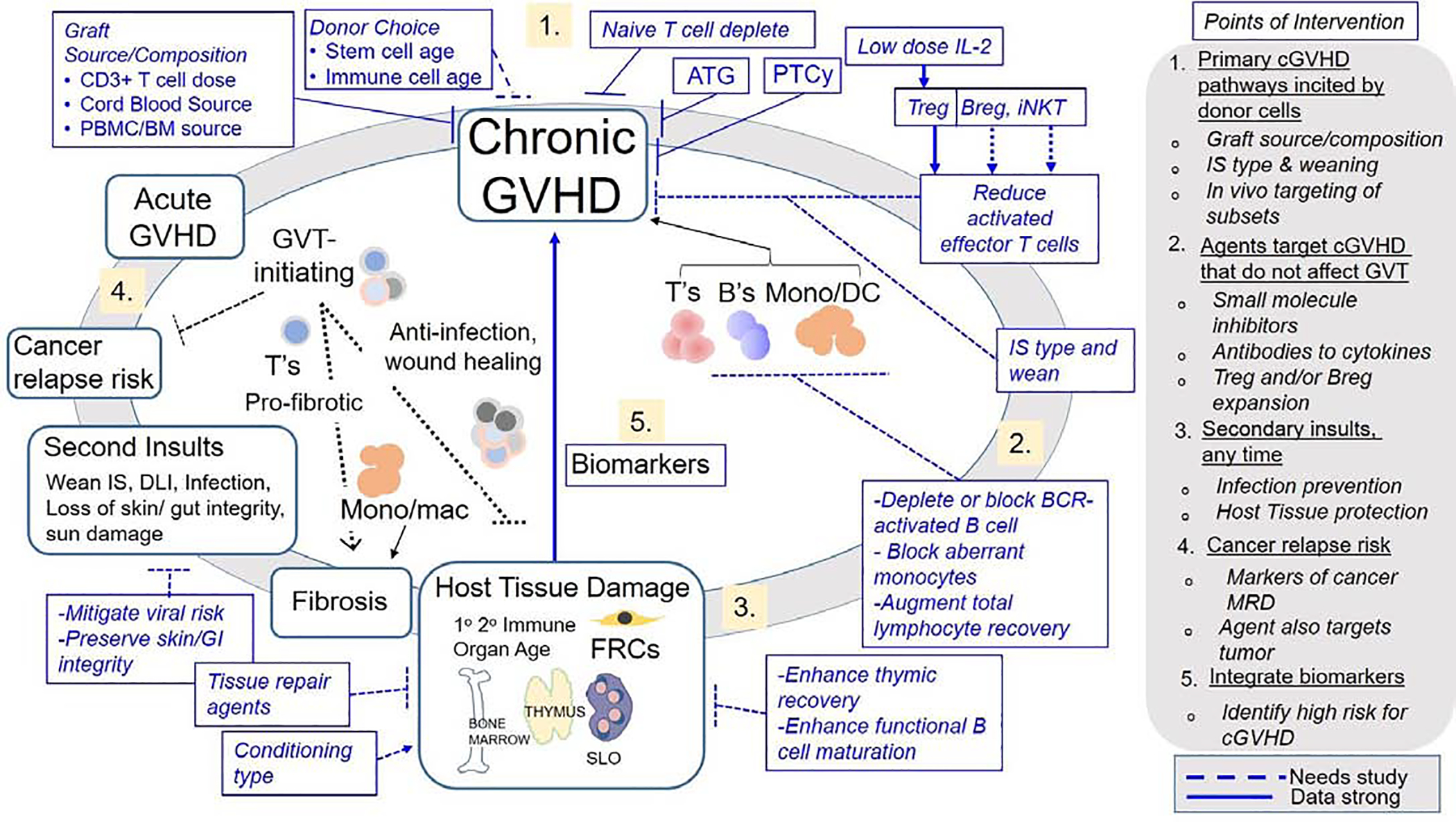
Figure 1.. The etiology of chronic GVHD and the potential points of clinical intervention.
Recipient factors include age, damage to bone marrow stroma, thymus, secondary lymphoid organs (SLO) (i.e., spleen, lymph nodes and other lymphoid tissues), and fibroblastic reticular cells (FRCs). The choice of agents in conditioning regimens and the overall intensity of conditioning regimens influences the extent of damage to these organs. Less robust evidence suggests a role for recovery of these organs in prevention of chronic GVHD, including thymus recovery, functional B cell maturation, and tissue repair. Donor graft factors include donor age, CD3+ T cell dose, and graft source. Donor cell products contain heterogenous cell populations that contribute to acute GVHD, chronic GVHD, graft-versus-tumor activity, pathogen defense and tissue repair. Donor graft points of intervention include non-selective T cell depletion, selective depletion of naïve T cells and other graft engineering. Post-transplant cyclophosphamide (PTCy) may silence alloantigen-activated T cells or induce alloreactive T-cell functional impairment while sparing Treg cells, while low-dose IL-2 could expand Treg. Other graft engineering approaches could target induction of Breg and iNKT cells. Secondary insults occur after infusion of HCT and include withdrawal of immunosuppression, donor lymphocyte infusion, infections, loss of gastrointestinal integrity, and ultraviolet damage to the skin. Potential points of clinical intervention are shown in blue font inside blue boxes. Arrows and block symbols depicted with solid lines indicate strong evidence, while dashed arrows and block symbols represent less robust evidence.
Figure 2.
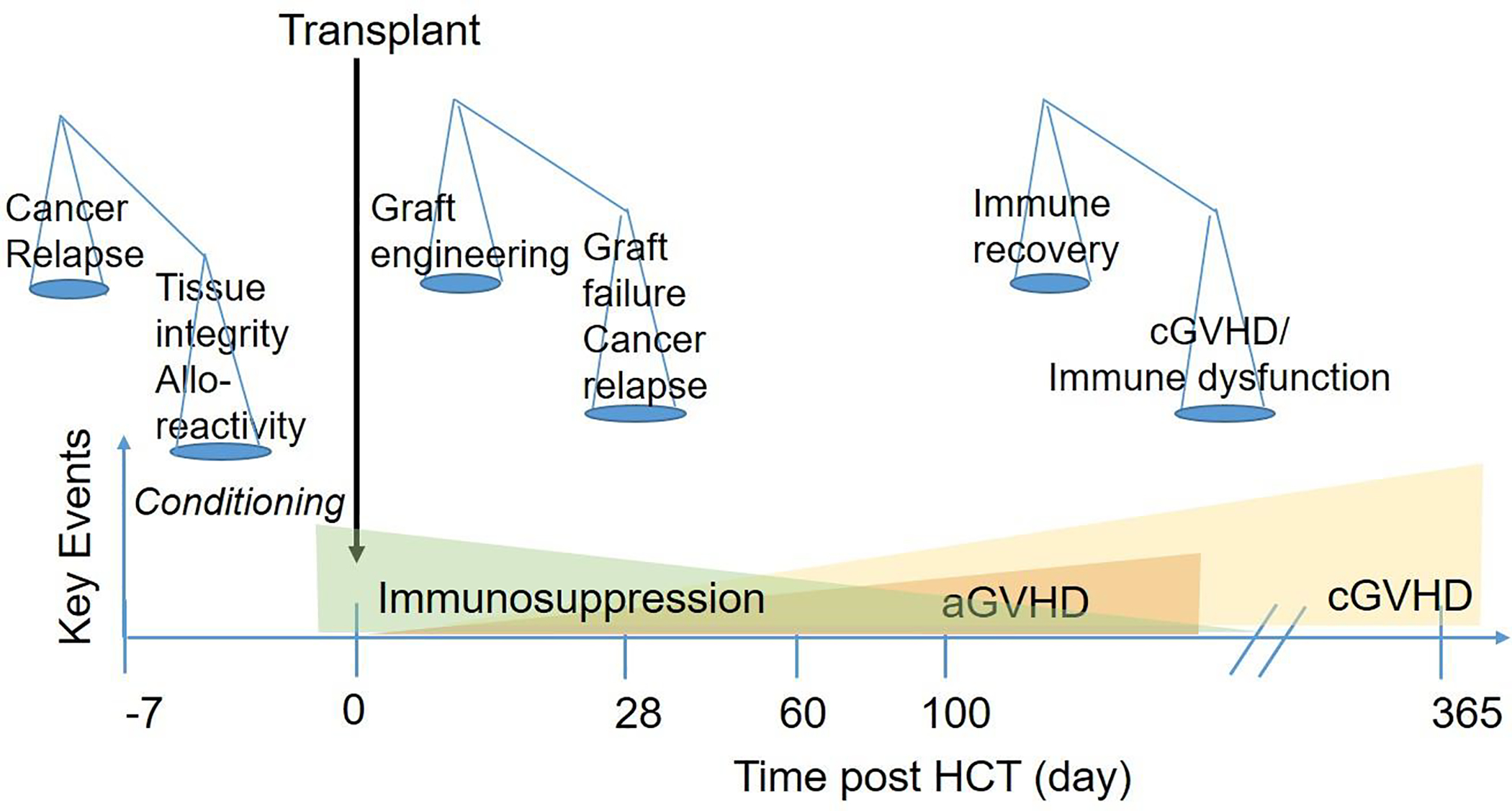
Figure 2.. Factors that influence the emergence of chronic GVHD.
The x-axis shows time after HCT, with key events denoted in shapes. The green triangle indicates gradual tapering of immunosuppressive treatment after HCT. The orange triangle denotes the onset of acute GVHD, and the yellow triangle denotes the onset of chronic GVHD, both of which can be masked by immunosuppressive treatment. High-intensity pre-transplant conditioning regimens can decrease the risk of relapse but increase the risk of chronic GVHD. Depletion of donor T cells can decrease the risk of chronic GVHD but increase the risks of graft rejection, infections due to delayed immune reconstitution and relapse due to loss of GVT activity. Withdrawal of immunosuppression permits immune recovery and protection against infections but can increase the risk of chronic GVHD.
Figure 3.
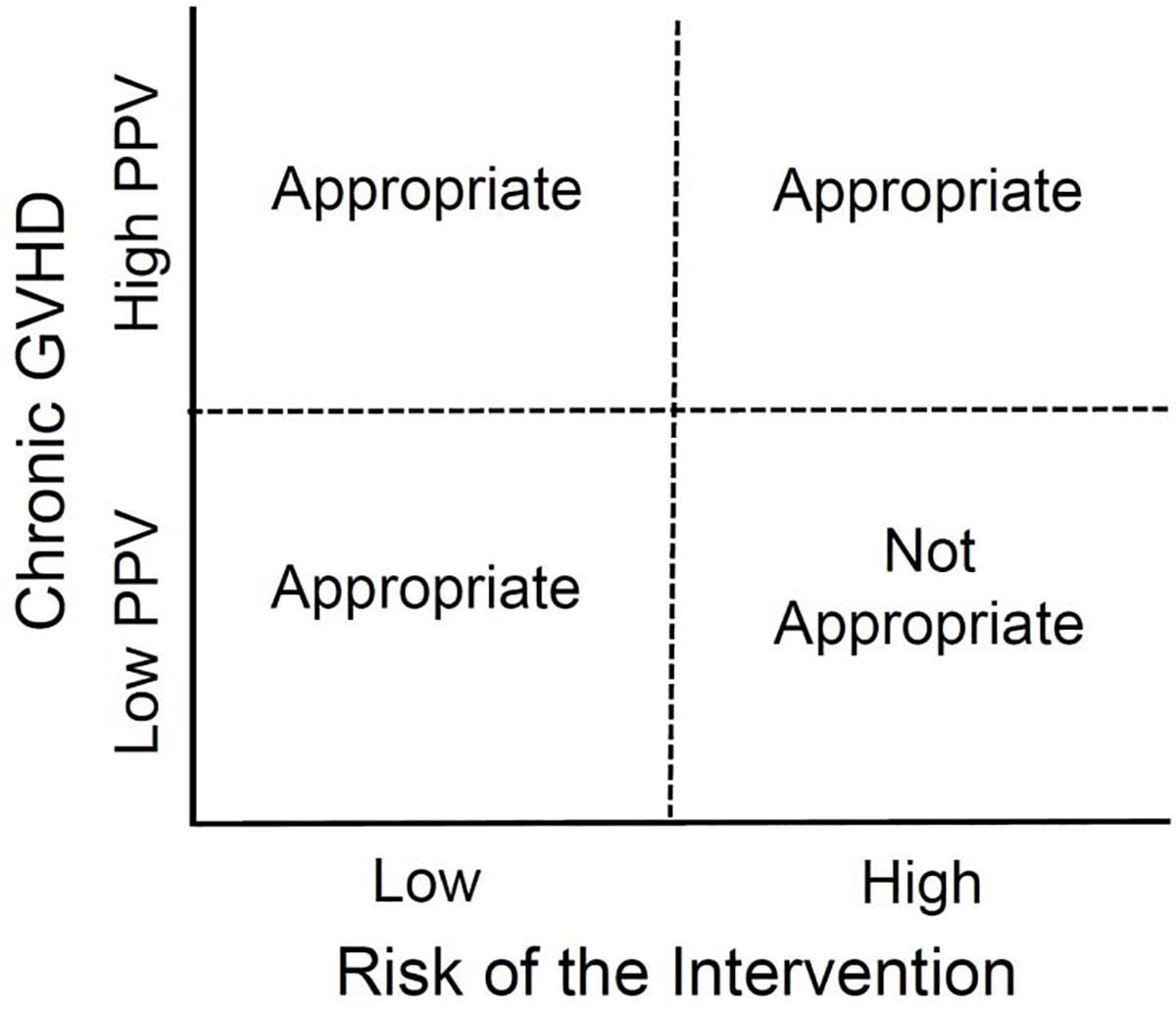
Figure 3.. Critical considerations of risk and benefit in the design of chronic GVHD prevention trials.
The positive-predictive value (PPV) of a prognostic measure or algorithm before HCT estimates the probability of developing chronic GVHD in patients who have a positive test result. The dashed lines represent hypothetical boundaries between the low and high-risk interventions (X-axis) and between low and high PPV (Y-axis). Patients not destined to develop chronic GVHD cannot benefit in prevention trials. Therefore, clinical trials should be designed to ensure that the harm of the intervention in these patients does exceed the benefit in patients destined to develop chronic GVHD.

References

    1. Cooke KR, Luznik L, Sarantopoulos S, Hakim FT, Jagasia M, Fowler DH, et al. The Biology of Chrnic Graft-versus-Host Disease: A Task Force Report from the National Institutes of Health Consensus Development Project on Criteria for Clinical Trials in Chronic Graft-versus-Host Disease. Biol Blood Marrow Transplant. 2017;23:211–34. - PMC - PubMed
    1. Pulendran B, Davis MM. The science and medicine of human immunology. Science. 2020;369. - PMC - PubMed
    1. Schroeder MA, DiPersio JF. Mouse models of graft-versus-host disease: advances and limitations. Dis Model Mech. 2011;4:318–33. - PMC - PubMed
    1. Tivol E, Komorowski R, Drobyski WR. Emergent autoimmunity in graft-versus-host disease. Blood. 2005;105:4885–91. - PMC - PubMed
    1. Dertschnig S, Evans P, Santos ESP, Manzo T, Ferrer IR, Stauss HJ, et al. Graft-versus-host disease reduces lymph node display of tissue-restricted self-antigens and promotes autoimmunity. J Clin Invest. 2020;130:1896–911. - PMC - PubMed

Publication types

LinkOut - more resources