


Impact of the COVID-19 lockdown on screen media use in patients referred for ADHD to child and adolescent psychiatry: an introduction to problematic use of the internet in ADHD and results of a survey
- PMID: 33885969
- PMCID: PMC8060336
- DOI: 10.1007/s00702-021-02332-0
Impact of the COVID-19 lockdown on screen media use in patients referred for ADHD to child and adolescent psychiatry: an introduction to problematic use of the internet in ADHD and results of a survey
Abstract
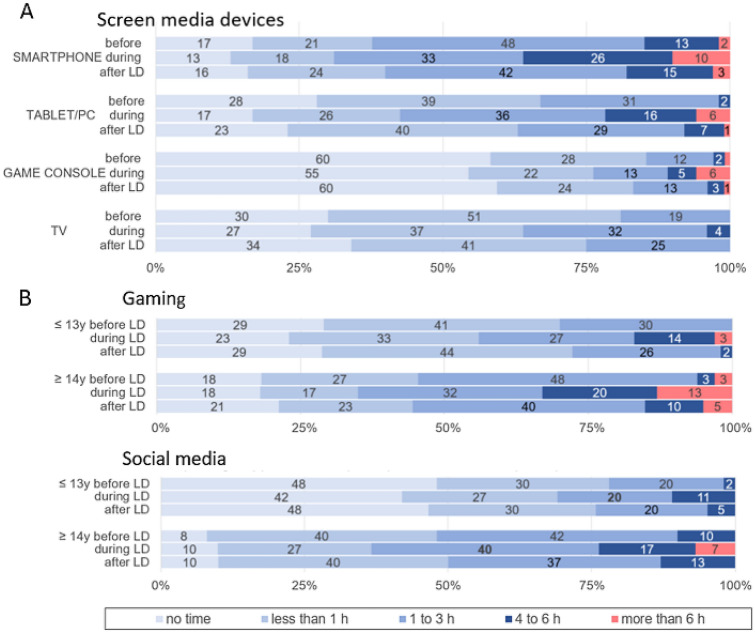
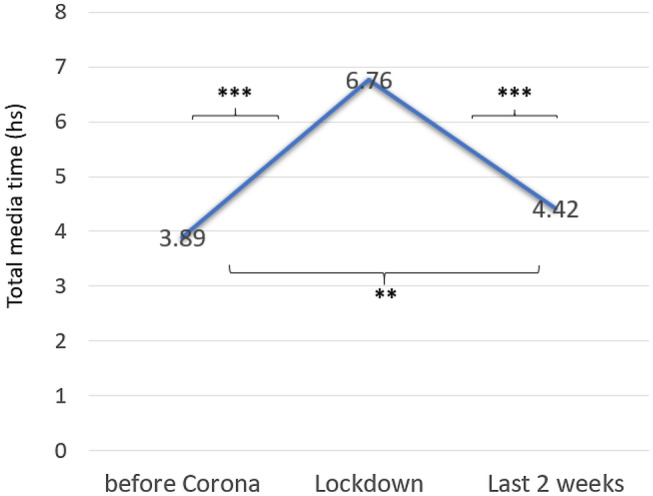
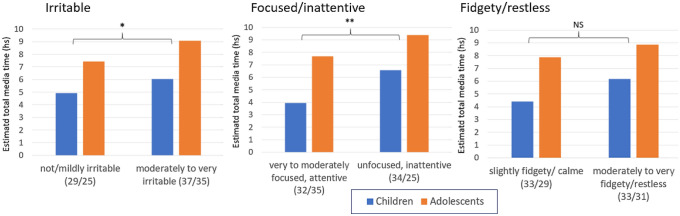
The COVID-19 outbreak and lockdown have been associated with multiple consequences for mental health, including an excessive and potentially harmful increase in screen media use. The specific consequences for children, adolescents and young adults with ADHD are still unknown. In the first part of this study, a short review of problematic use of the internet (PUI) in ADHD is presented, showing that patients with ADHD are at risk for different aspects of PUI, such as excessive gaming or problematic social media use. In the second part, we report original data of an online survey on screen media use before, during and after the lockdown completed by parents of children and adolescents clinically referred for ADHD. Parents rated children's/adolescents' media-related behavior and media time on a new screening questionnaire for PUI. Each item was rated three times, referring to the observed behavior before, during and 1-2 months after the lockdown. N = 126 parents of patients referred for ADHD aged 10-18 years participated in the study. Total media time increased by 46% during the lockdown and did not completely return to pre-Corona levels afterwards. Patients with difficulties concentrating, high irritability or deterioration of ADHD problems under lockdown spent more time with screen media than those with milder or no such problems. While the effects of the lockdown on screen media use and its negative impact on everyday life appear to be largely reversible, a small proportion of patients with ADHD apparently continue to show increased media use.
Keywords: Adolescents; Attention deficit hyperactivity disorder; COVID-19; Gaming; Problematic use of the internet; Social media.
© 2021. The Author(s).
Figures
References
-
- Andreassen CS, Billieux J, Griffiths MD, Kuss DJ, Demetrovics Z, Mazzoni E, Pallesen S. The relationship between addictive use of social media and video games and symptoms of psychiatric disorders: a large-scale cross-sectional study. Psychol Addict Behav. 2016;30:252. doi: 10.1037/adb0000160. - DOI - PubMed
-
- APA . Diagnostic and statistical manual of mental disorders (DSM-5®) New York: American Psychiatric Pub; 2013. - PubMed
Publication types
MeSH terms
LinkOut - more resources
Full Text Sources
Other Literature Sources
Medical
