


Bevacizumab in advanced endometrial cancer
- PMID: 33894982
- PMCID: PMC8165028
- DOI: 10.1016/j.ygyno.2021.04.016
Bevacizumab in advanced endometrial cancer
Abstract
Objective: Prospective data have demonstrated the efficacy of bevacizumab monotherapy in the treatment of advanced endometrial cancer. Bevacizumab is used off-label, and real-world data regarding the role of bevacizumab in endometrial cancer treatment are scant. In this largest single-institution retrospective study of its kind, we report our experience with bevacizumab monotherapy in the treatment of advanced/recurrent endometrial cancer.
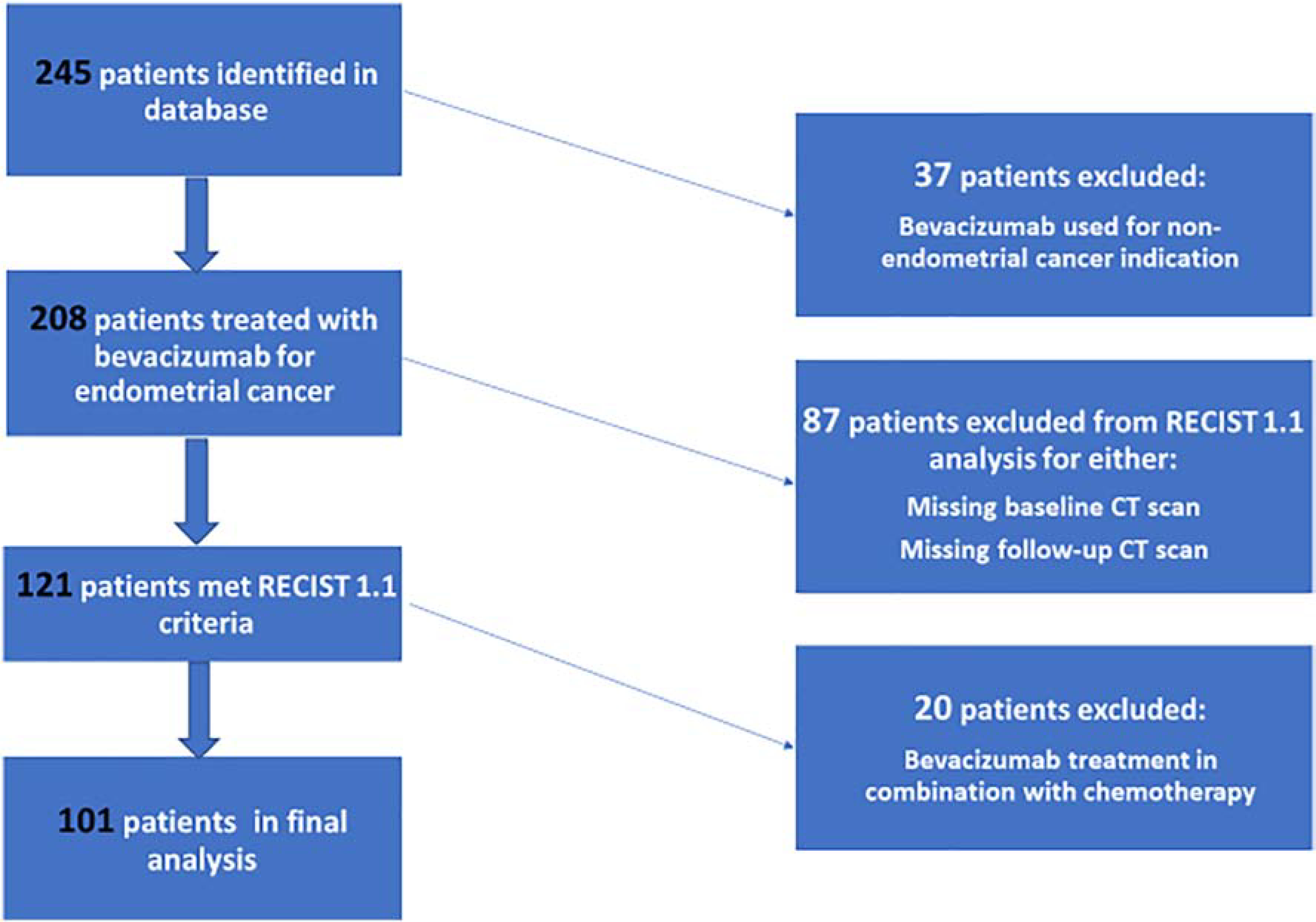
Methods: All eligible patients (n = 101) had histologically confirmed endometrial cancer and were treated with bevacizumab at our institution from 2004 to 2017. Demographic data and tumor characteristics were obtained through chart review. Primary objective was response to therapy determined by Response Evaluation Criteria in Solid Tumors (RECIST v1.1).
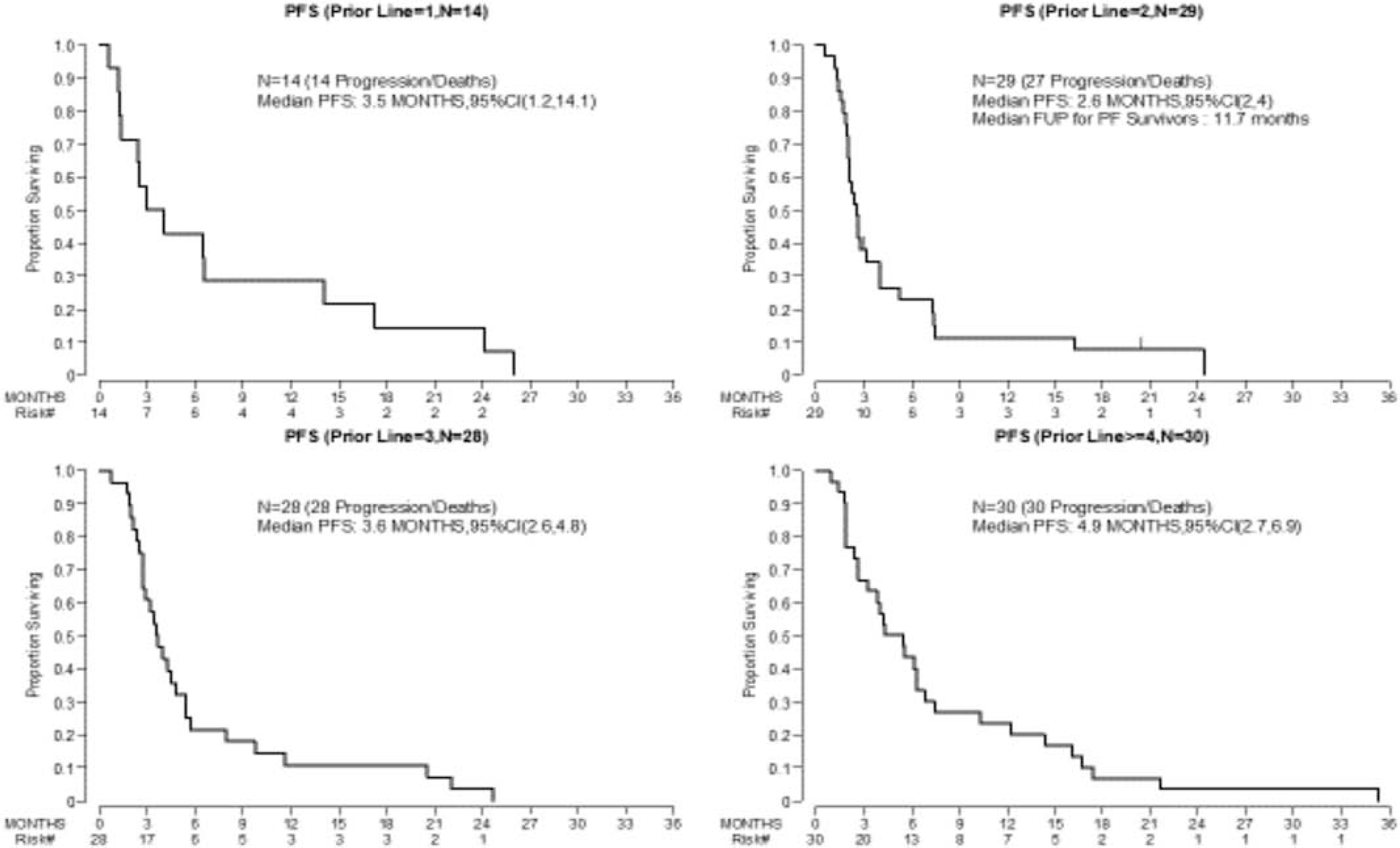
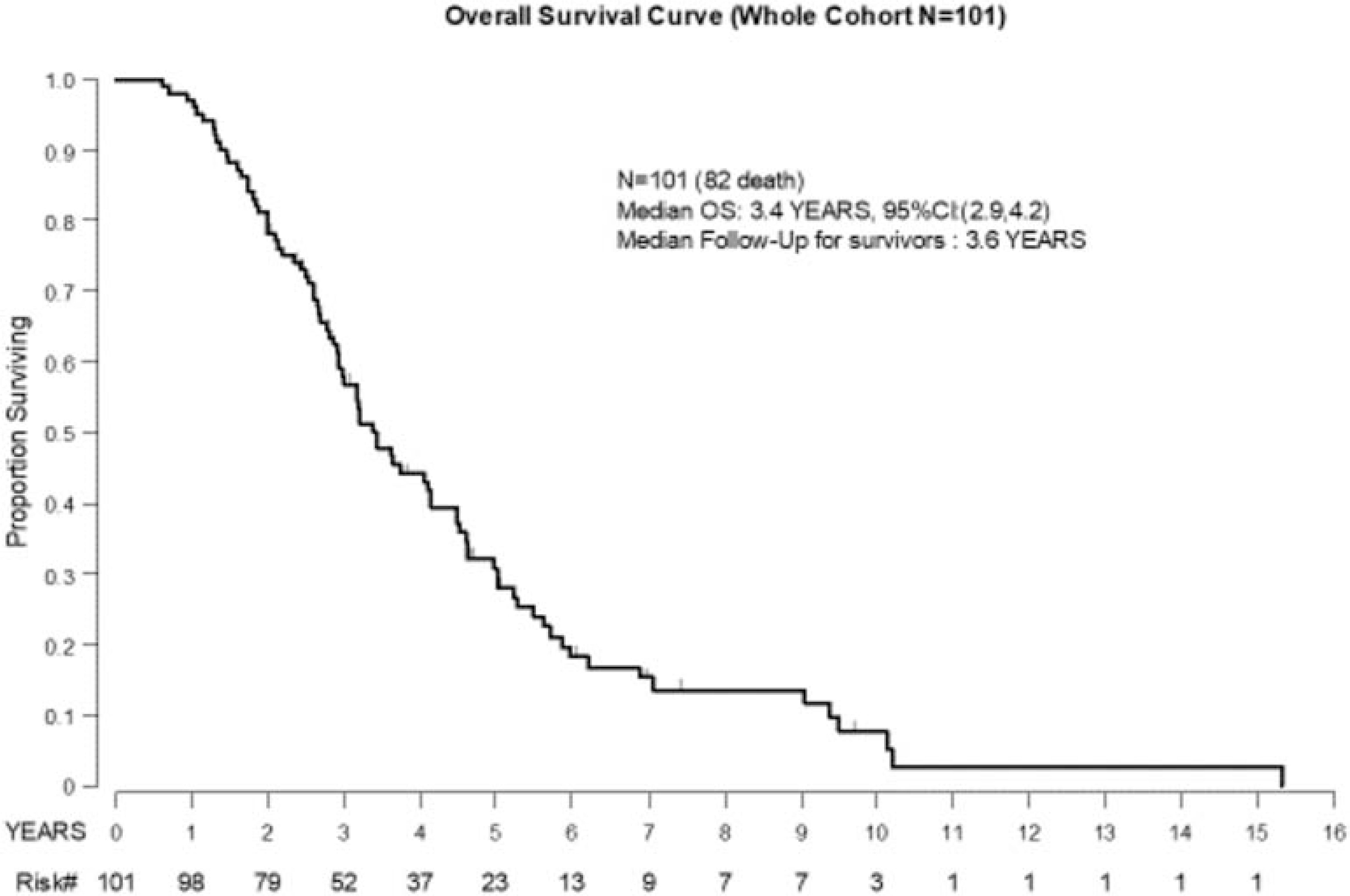
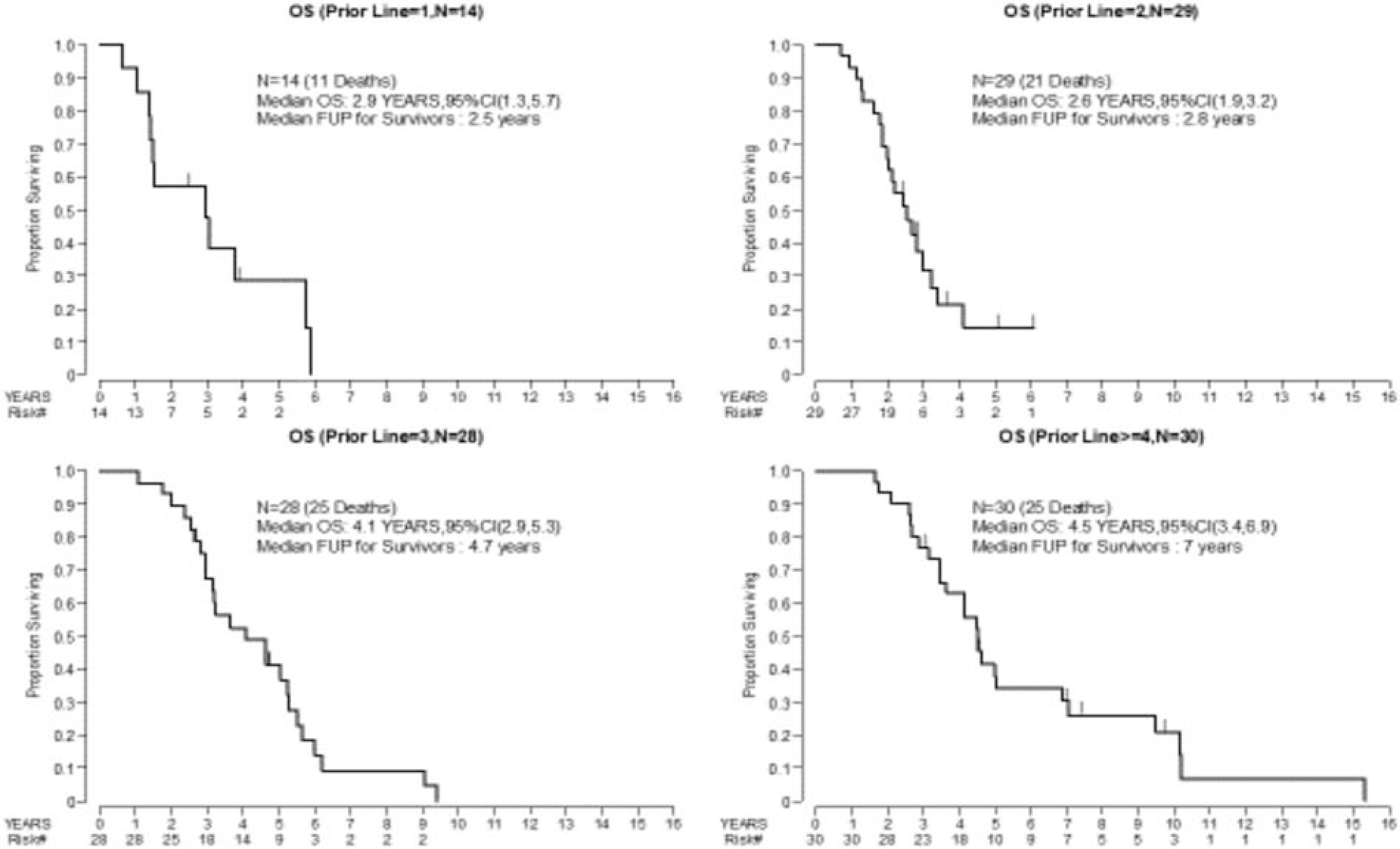
Results: Analysis included 13 grade 1/2 endometrioid, 15 grade 3 endometrioid, 44 serous, 8 carcinosarcoma, and 21 other/mixed histologies. No patients achieved complete (CR) or partial (PR) responses; 19 achieved stable disease (SD). The clinical benefit rate (CBR; CR + PR + SD) was 19% (95% CI: 12-28%). The CBRs were 7%, 17%, 21%, and 23% for patients with 1, 2, 3, and ≥ 4 prior treatment lines. Median PFS ranged from 2.6 months (2 lines) to 4.9 months (≥4 lines). The 3-year OS rate was 58% (95% CI: 47-67%). The median OS was 3.4 years (95% CI: 2.9-4.2), ranging from 2.5 years (2 lines) to 4.5 years (≥4 lines). The most common treatment-related adverse event was hypertension; 35 (78%) of 45 were grade 1 or 2.
Conclusions: In heavily pretreated advanced endometrial cancer, bevacizumab was associated with modest clinical efficacy and remains a viable palliative option in this setting.
Keywords: Bevacizumab; Cancer therapy; Endometrial cancer; Survival analysis; VEGF; Vascular endothelial growth factor.
Copyright © 2021 Elsevier Inc. All rights reserved.
Conflict of interest statement
Declaration of Competing Interest Outside the submitted work, Dr. Rubinstein reports a 2019 ASCO Young Investigator Award; Dr. Lakhman is a shareholder of Y-mAbs Therapeutics, Inc.; Dr. Iasonos reports consulting fees from Mylan; and Dr. Makker reports personal fees from ArQule, Eisai, Karyopharm, Merck, Clovis, and IBM Watson, as well as grants (institutional funding support) from Merck, Eisai, Karyopharm, AstraZeneca, Clovis, Moreo, Takeda, Genentech, and Zymeworks. The other authors have nothing to disclose.
Figures
References
-
- Siegel RL, et al. , Cancer Statistics, 2021. CA Cancer J Clin, 2021. 71(1): p. 7–33. - PubMed
-
- Diaz LA, et al. , Pembrolizumab therapy for microsatellite instability high (MSI-H) colorectal cancer (CRC) and non-CRC. 2017. 35(15_suppl): p. 3071–3071.
-
- Marabelle A, et al. , Association of tumour mutational burden with outcomes in patients with advanced solid tumours treated with pembrolizumab: prospective biomarker analysis of the multicohort, open-label, phase 2 KEYNOTE-158 study. Lancet Oncol, 2020. 21(10): p. 1353–1365. - PubMed
Publication types
MeSH terms
Substances
Grants and funding
LinkOut - more resources
Full Text Sources
Other Literature Sources
Research Materials
Miscellaneous
