


Extraction of phenolic compounds: A review
- PMID: 33899007
- PMCID: PMC8058613
- DOI: 10.1016/j.crfs.2021.03.011
Extraction of phenolic compounds: A review
Abstract
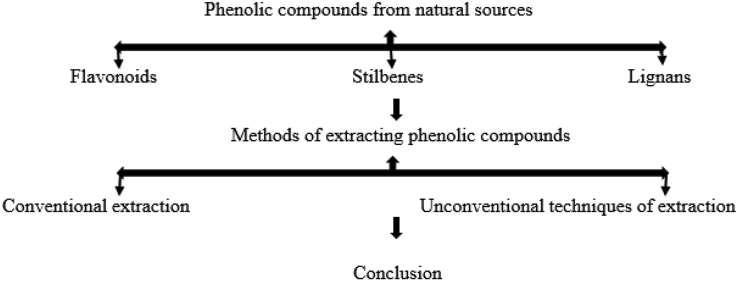
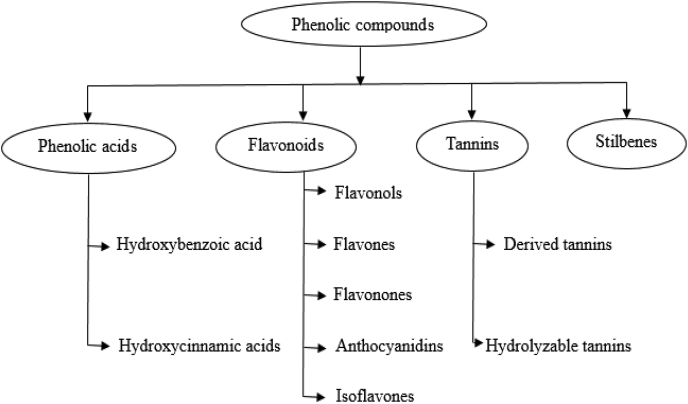
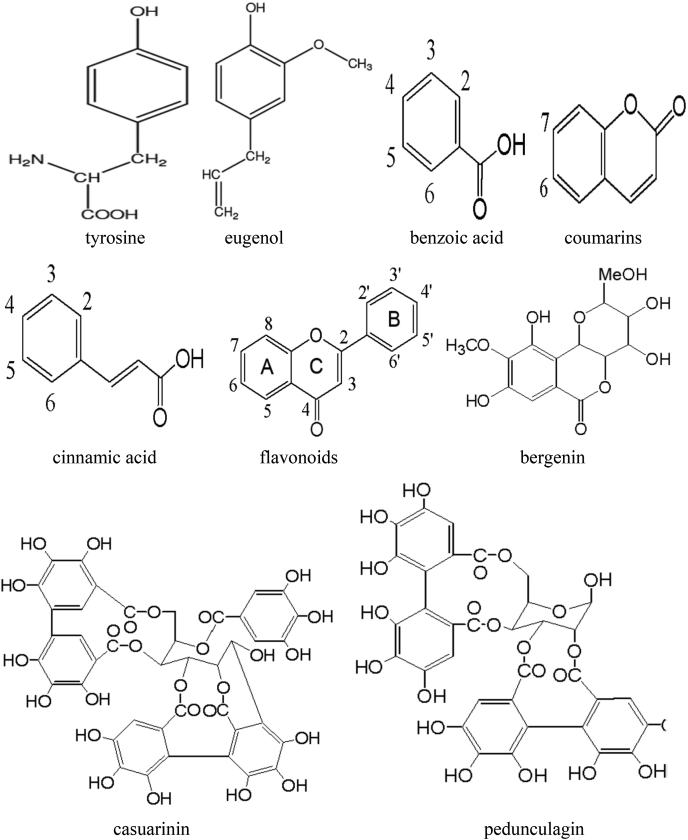
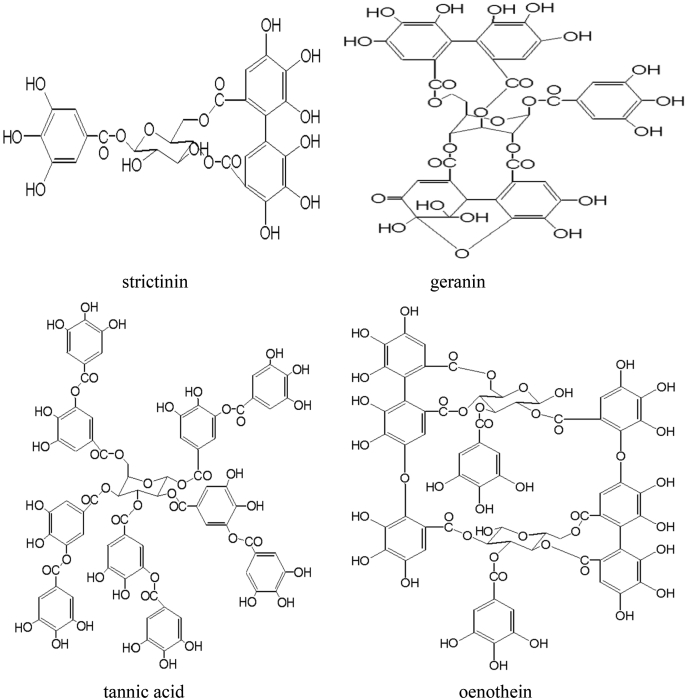
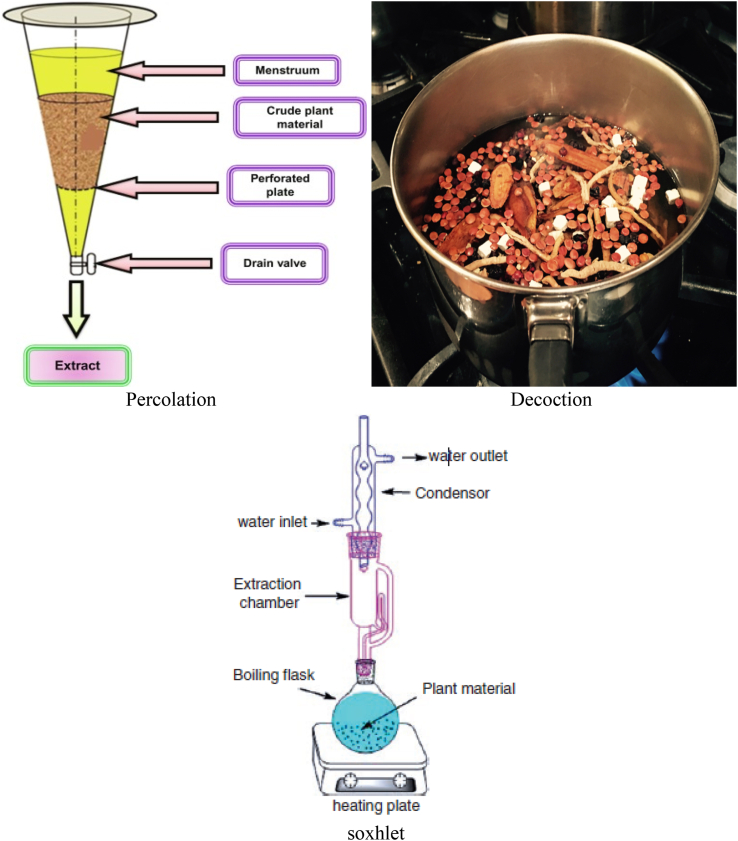
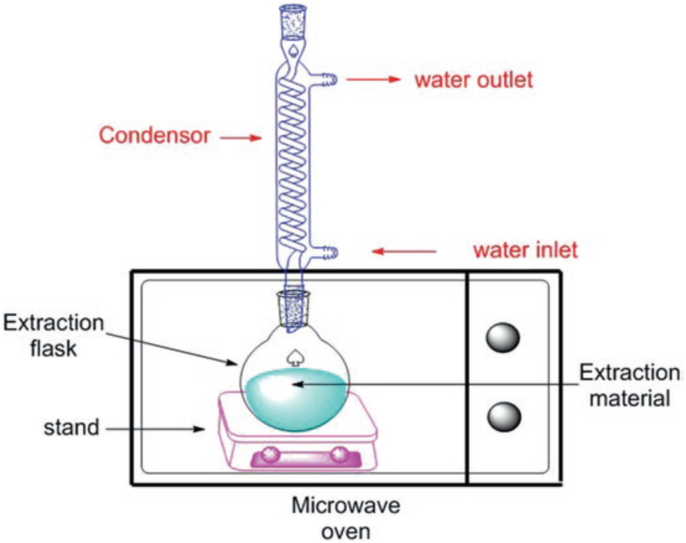
Phenolic compounds are parts of secondary metabolites mostly found in plant species with enormous structural diversities. They can exist as glycosides or aglycones; matrix or free-bound compounds; and comprising mostly polymerized or monomer structures. Additionally, these compounds are not universally dispensed within plants with varied stability. This has contributed to challenging extraction processes; implying that employing a single step or inappropriate extraction technique might change the recovery of phenolic components from the plant samples. Hence, it is important to select an appropriate extraction method so as to recover the targeted phenolic compounds. This is will helps to recover substantial yields from the sample matrix. Therefore, this review mainly focuses on the phenolic compounds and several methods of extraction that are used to obtaining them from plant materials. These extraction methods includes both conventional and unconventional techniques.
Keywords: Assisted extraction; Conventional techniques; Extraction; Flavonoids; Liquid-liquid extraction; Phenolic compounds; Polyphenols; Secondary metabolites; Solid-liquid extraction; Unconventional techniques.
© 2021 The Author(s).
Conflict of interest statement
The authors declare that they have no known competing financial interests or personal relationships that could have appeared to influence the work reported in this paper.
Figures
References
-
- Alara O.R., Abdurahman N.H. GC-MS and FTIR analyses of oils from Hibiscus sabdariffa, Stigma maydis and Chromolaena odorata leaf obtained from Malaysia: potential sources of fatty acids. Chem. Data Collect. 2019;100200 doi: 10.1016/j.cdc.2019.100200. - DOI
-
- Alara O.R., Abdurahman N.H. Microwave-assisted extraction of phenolics from Hibiscus sabdariffa calyces: kinetic modelling and process intensification. Ind. Crop. Prod. 2019;137:528–535. doi: 10.1016/j.indcrop.2019.05.053. - DOI
-
- Alara O.R., Abdurahman N.H., Ukaegbu C.I. Soxhlet extraction of phenolic compounds from Vernonia cinerea leaves and its antioxidant activity. J. Appl. Res. Med. Aromat. Plants. 2018:1–6. doi: 10.1016/j.jarmap.2018.07.003. - DOI
-
- Alara O.R., Abdurahman N.H., Ukaegbu C.I., Azhari N.H. Vernonia cinerea leaves as the source of phenolic compounds, antioxidants, and anti-diabetic activity using microwave-assisted extraction technique. Ind. Crop. Prod. 2018;122:533–544. doi: 10.1016/j.indcrop.2018.06.034. - DOI
Publication types
LinkOut - more resources
Full Text Sources
Other Literature Sources
