


Cold-inducible RNA-binding protein (CIRP) potentiates uric acid-induced IL-1β production
- PMID: 33902703
- PMCID: PMC8074240
- DOI: 10.1186/s13075-021-02508-9
Cold-inducible RNA-binding protein (CIRP) potentiates uric acid-induced IL-1β production
Abstract
Background: Gout is an autoinflammatory disease driven by interleukin-1 (IL-1) induction in response to uric acid crystals. IL-1β production is dependent on inflammasome activation, which requires a priming signal, followed by an activating signal. The cold-inducible RNA-binding protein (CIRP) has been recently identified as a damage-associated molecular pattern (DAMP). In this study, we evaluated the roles of CIRP in monosodium urate (MSU)-mediated IL-1β secretion using human neutrophils.
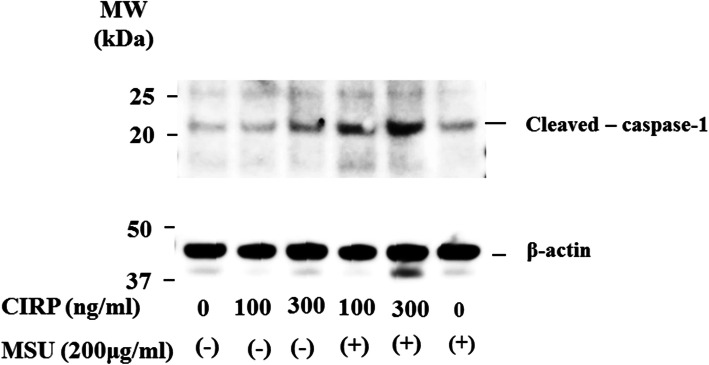
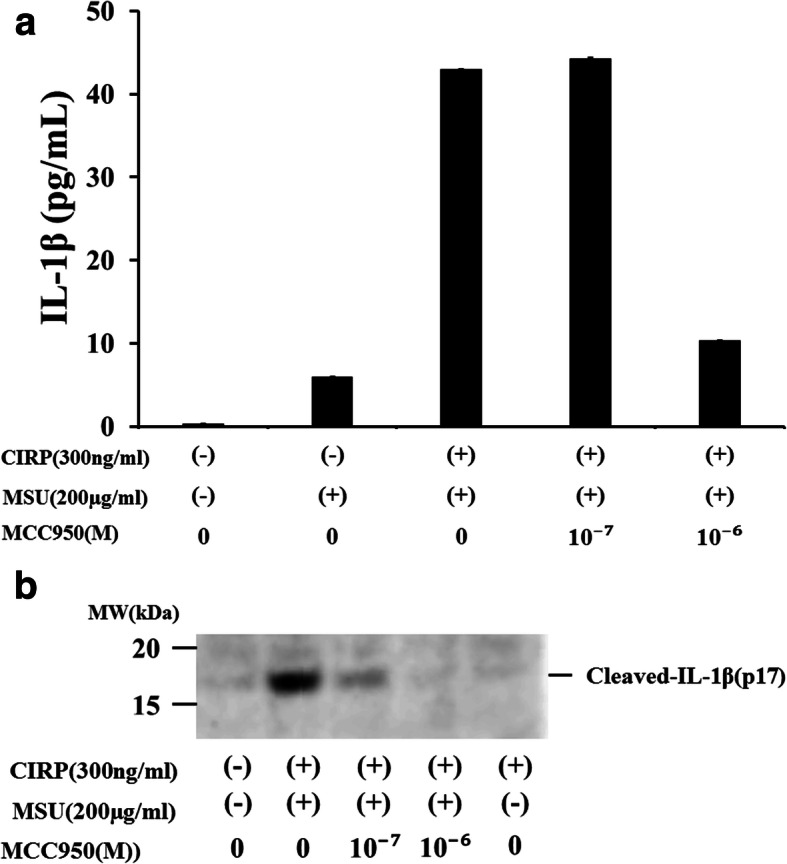
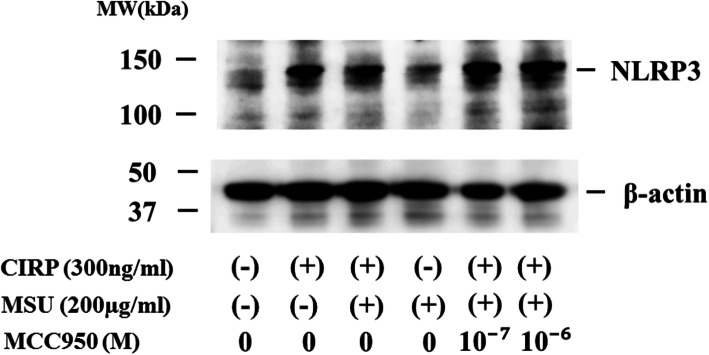
Methods: Human neutrophils were stimulated by MSU in the presence or absence of CIRP priming to determine NLRP3 inflammasome activation and subsequent caspase-1 activation and IL-1β production. Cellular supernatants were analyzed by enzyme-linked immunosorbent assay (ELISA) to determine the presence of IL-1β or caspase-1 (p20). The cellular supernatants and lysates were also analyzed by immunoblotting using anti-cleaved IL-1β or anti-cleaved caspase-1 antibodies.
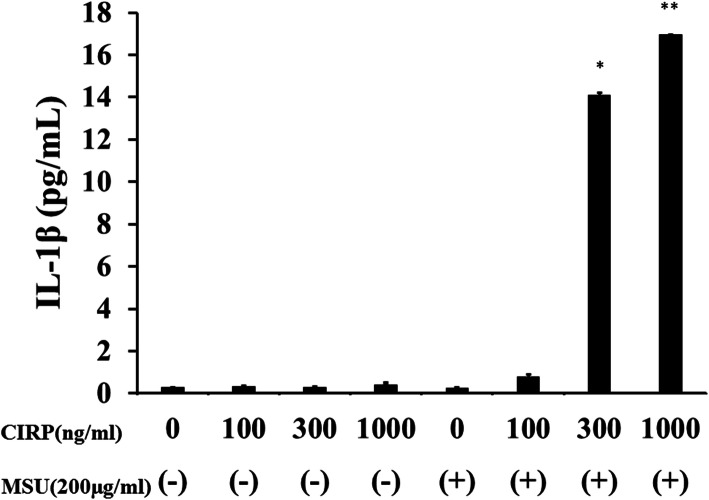
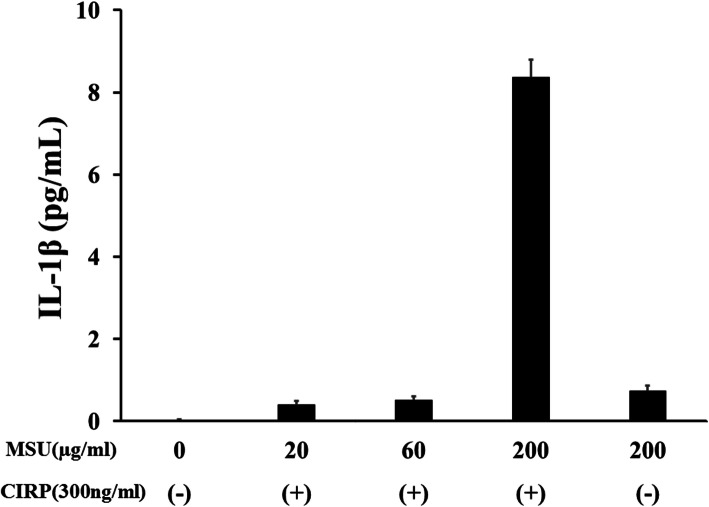
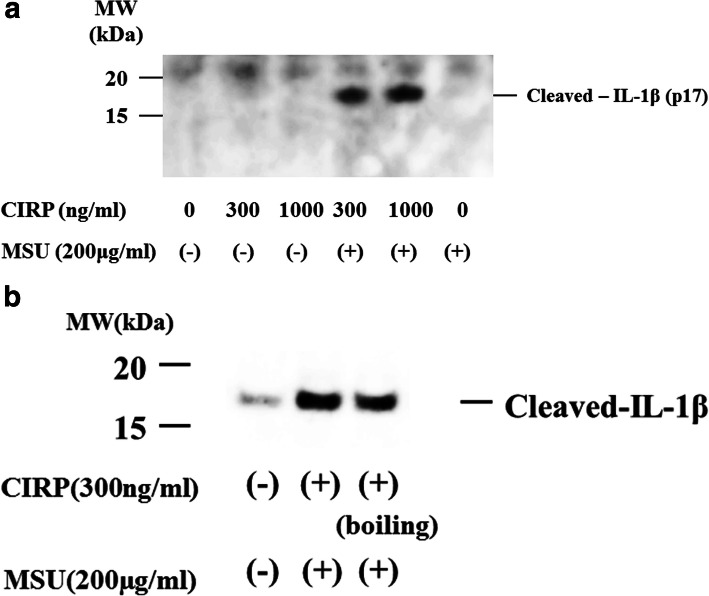
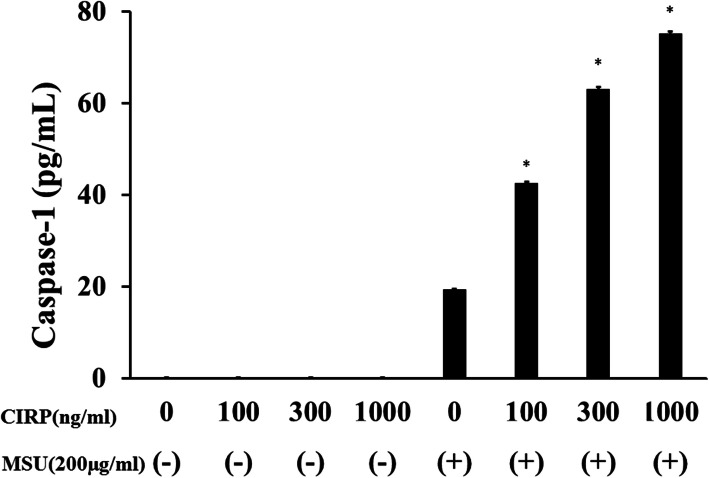
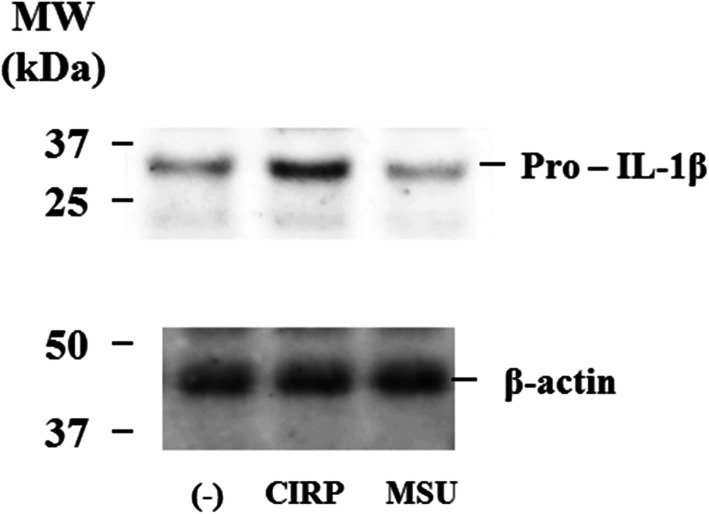
Results: Neither CIRP nor MSU stimulation alone induced sufficient IL-1β secretion from neutrophils. However, MSU stimulation induced IL-1β secretion from CIRP-primed neutrophils in a dose-dependent manner. This MSU-induced IL-1β secretion from CIRP-primed neutrophils was accompanied by the induction of cleaved IL-1β (p17), which was inhibited by the pretreatment of MCC950, a specific inhibitor for NLRP3. Furthermore, cleaved caspase-1 was induced in the cellular lysates of CIRP/MSU-treated neutrophils. Additionally, CIRP stimulation induced the protein expression of pro-IL-1β in neutrophils.
Conclusions: Our data indicate that CIRP, an endogenous stress molecule, triggers uric acid-induced mature IL-1β induction as a priming stimulus for NLRP3 inflammasome in human neutrophils. We propose that CIRP acts as an important proinflammatory stimulant that primes and activates inflammasome and pro-IL-1β processing in response to uric acid in innate immune cells.
Conflict of interest statement
KM has received research grants from Chugai, Pfizer, and AbbVie. The rest of the authors declares that they have no competing interests.
Figures
References
Publication types
MeSH terms
Substances
LinkOut - more resources
Full Text Sources
Medical
