


SynNotch CAR circuits enhance solid tumor recognition and promote persistent antitumor activity in mouse models
- PMID: 33910981
- PMCID: PMC8594452
- DOI: 10.1126/scitranslmed.abd8836
SynNotch CAR circuits enhance solid tumor recognition and promote persistent antitumor activity in mouse models
Abstract
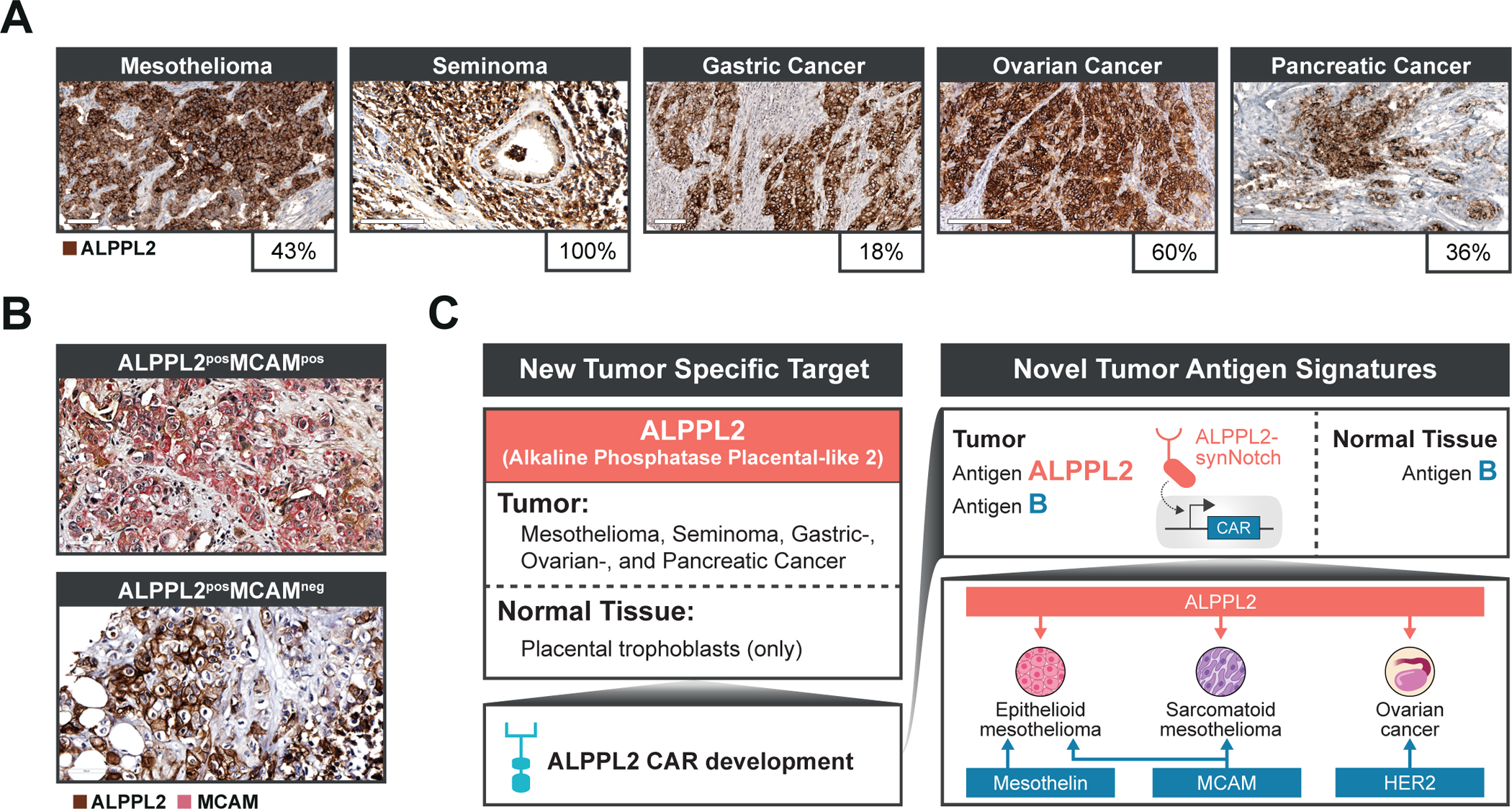
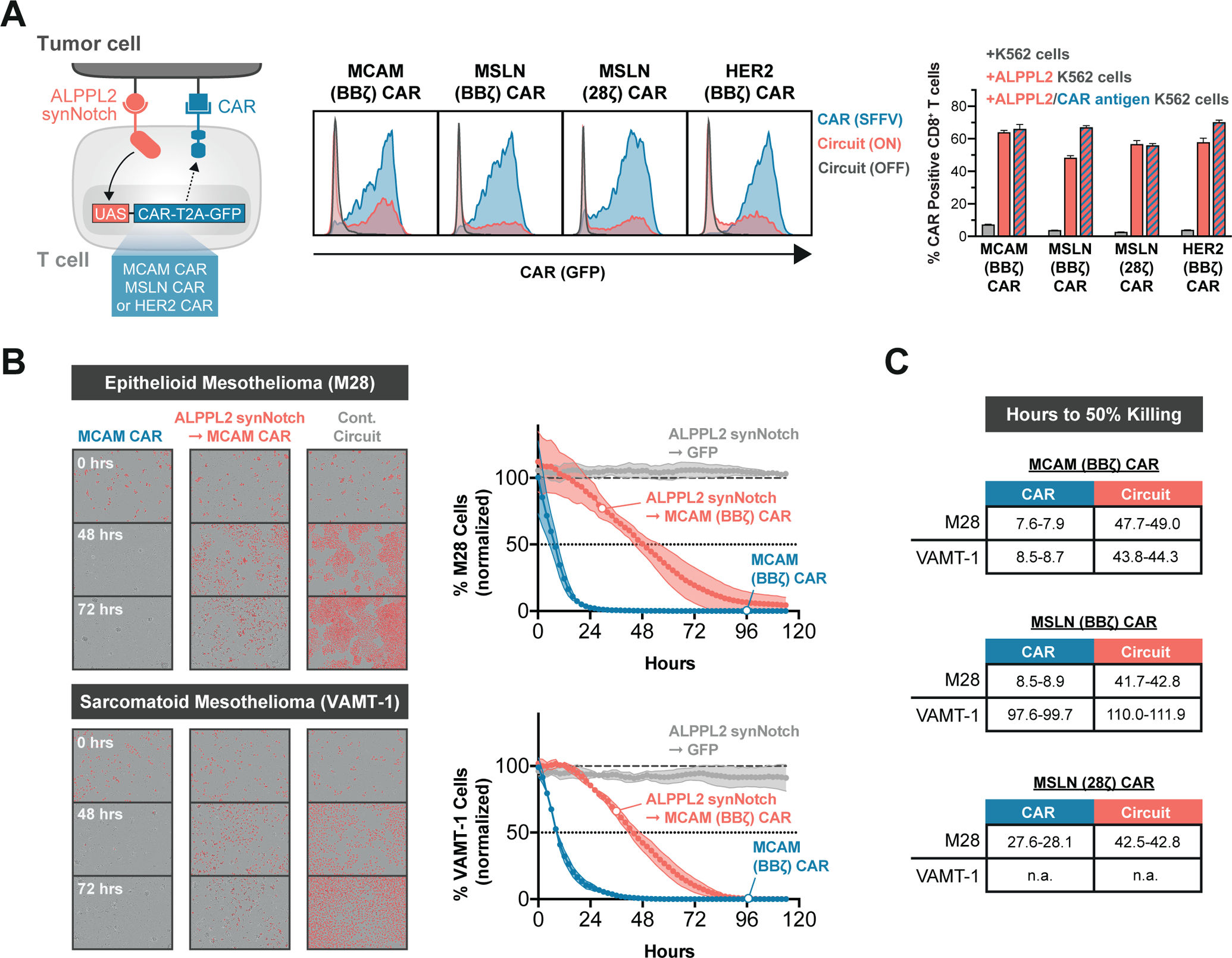
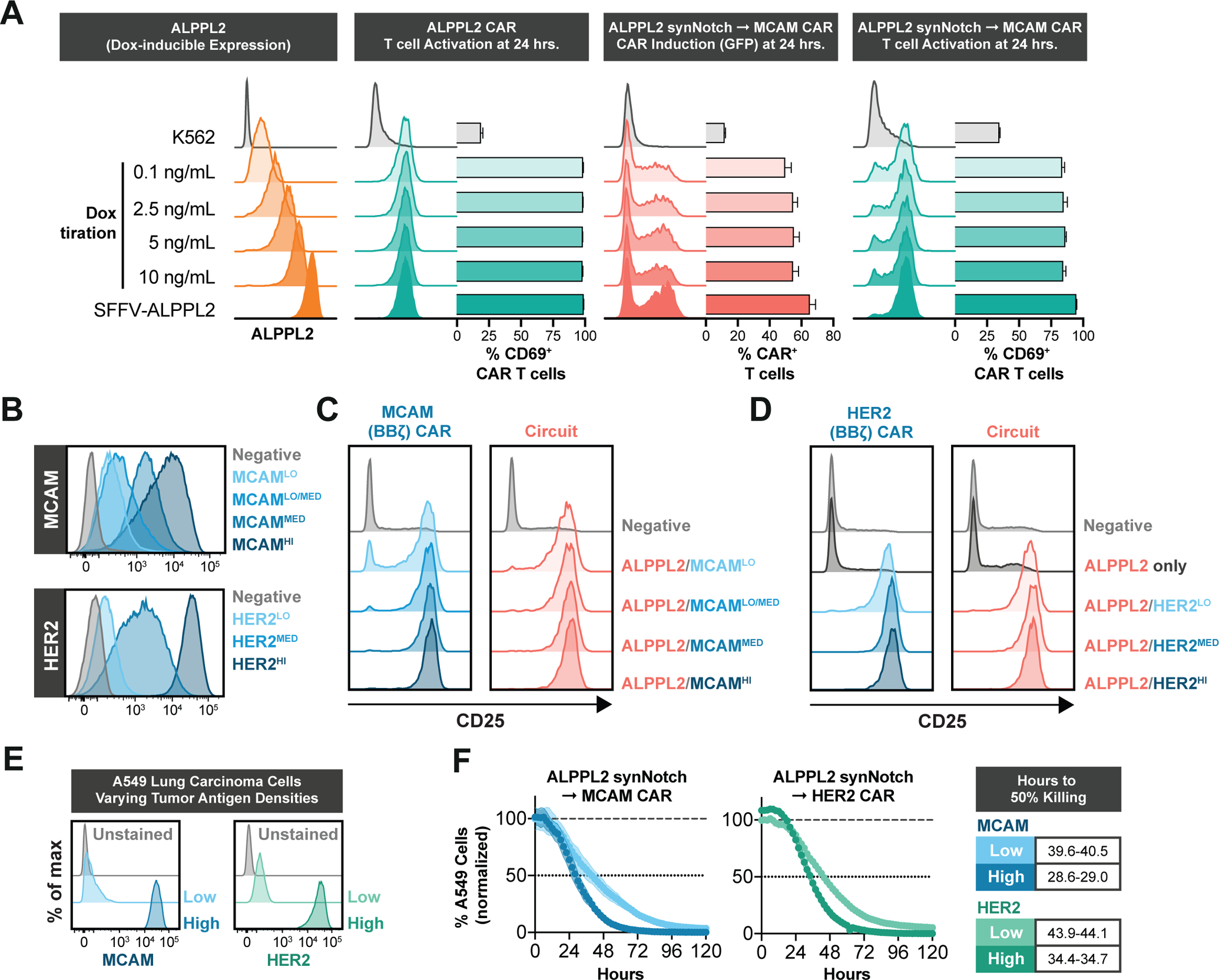
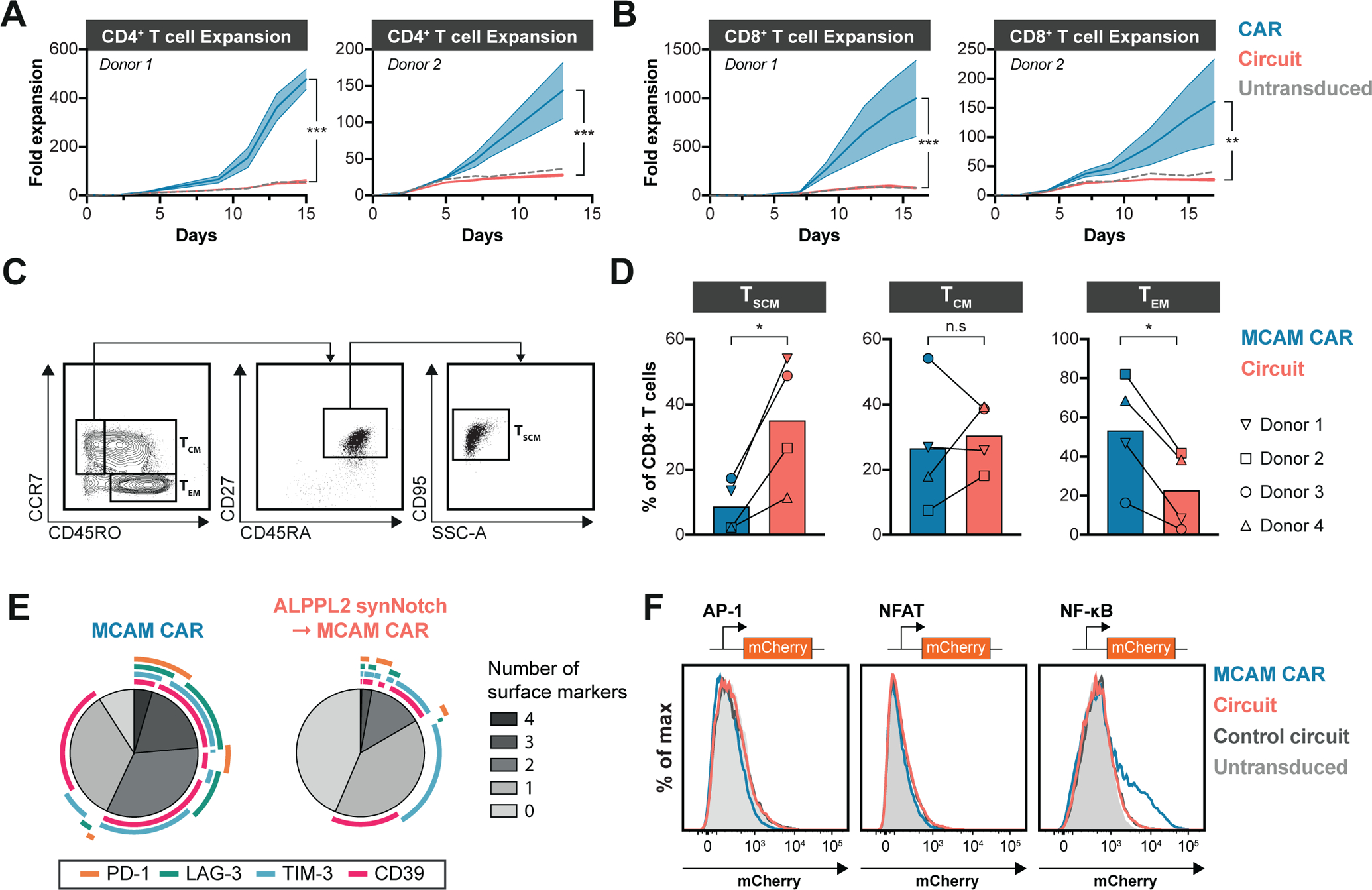
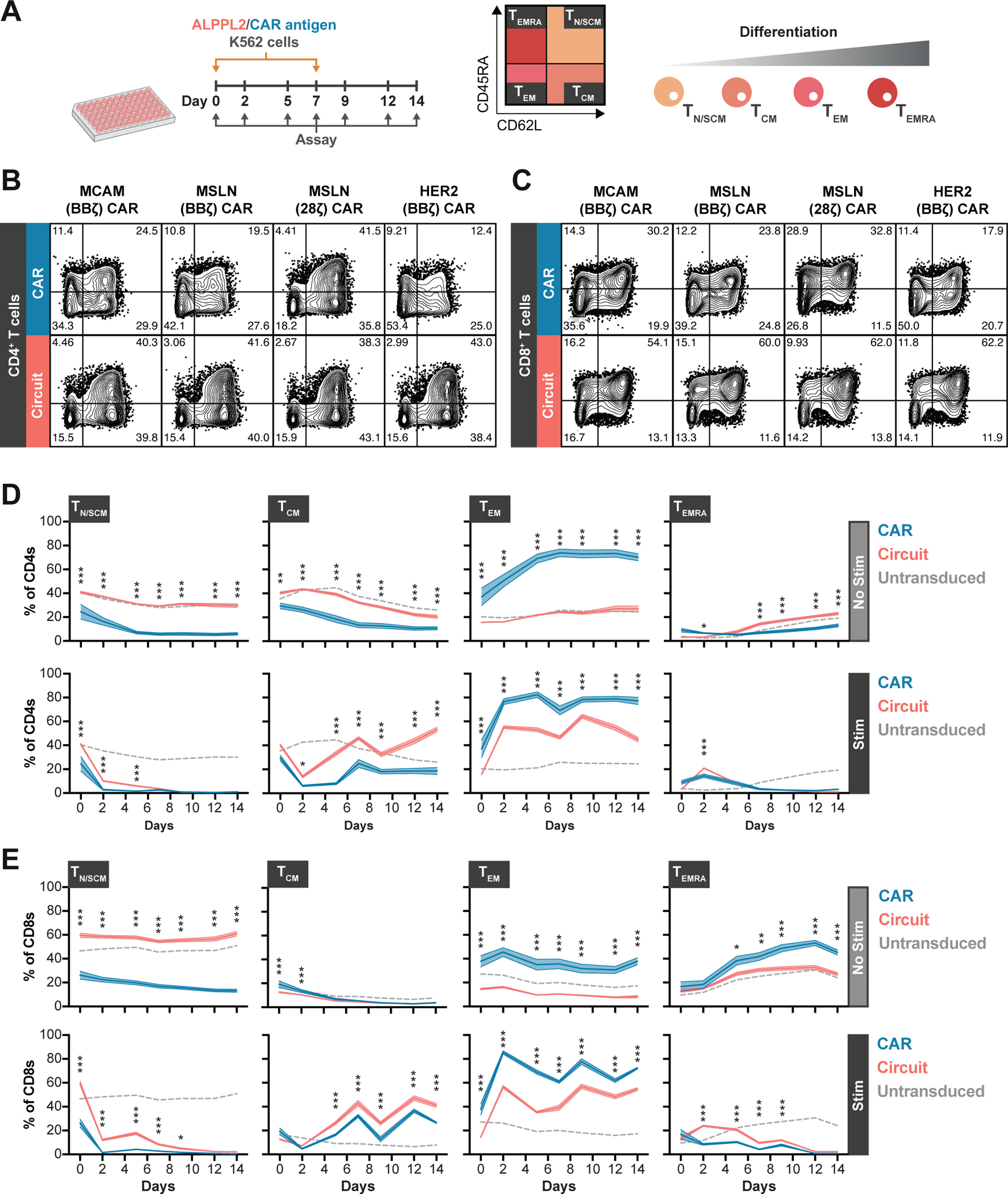
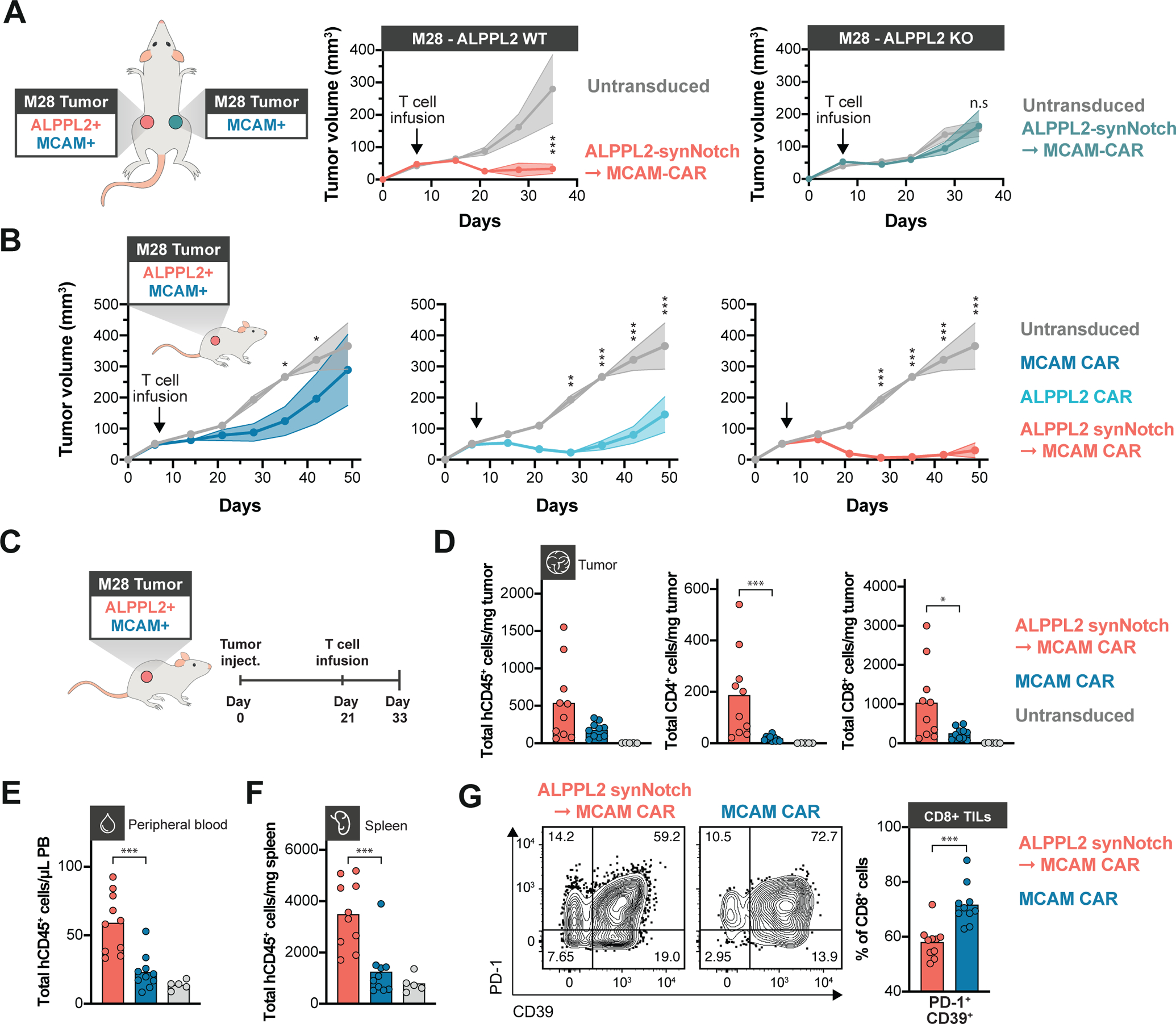
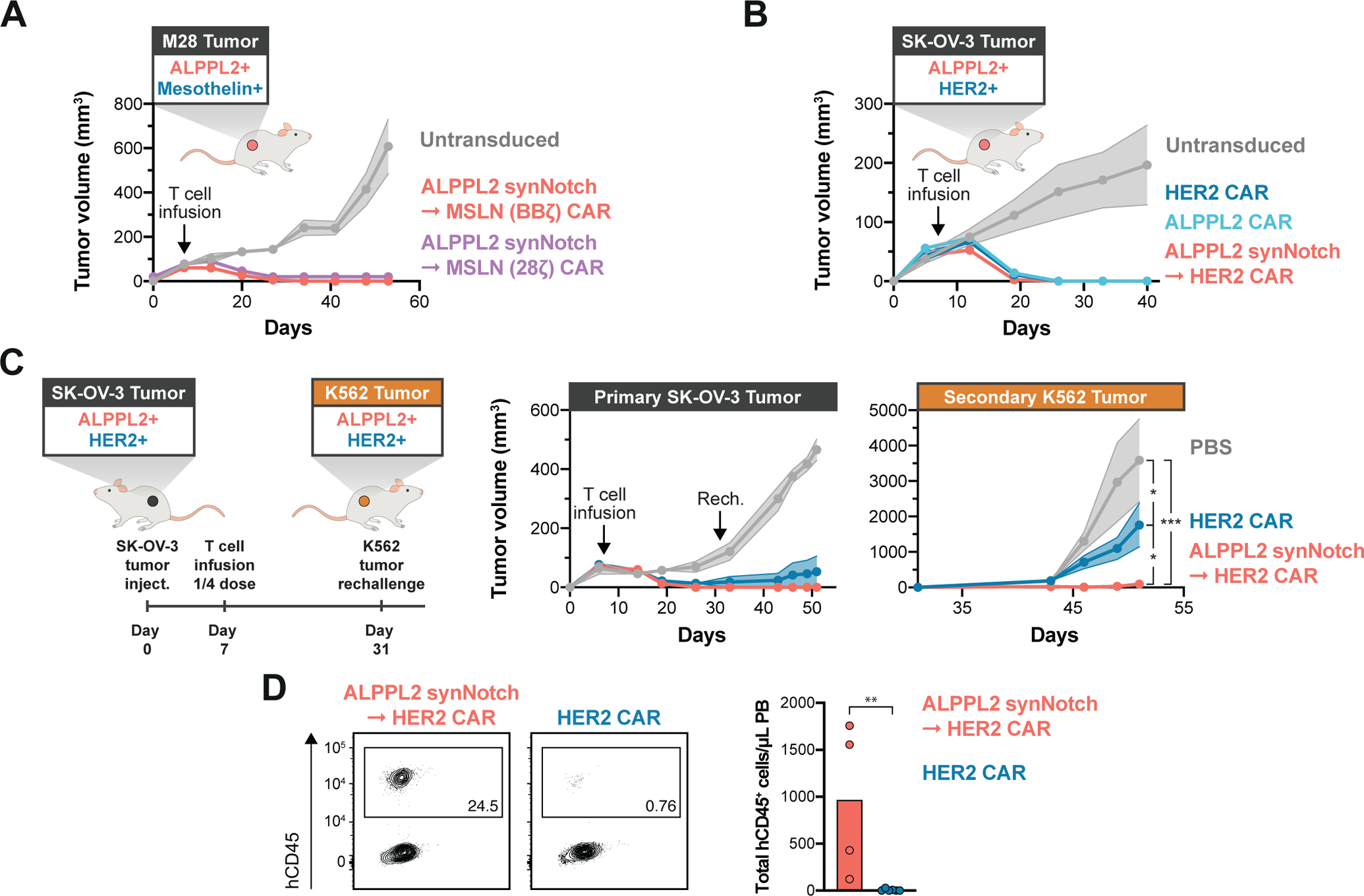
The first clinically approved engineered chimeric antigen receptor (CAR) T cell therapies are remarkably effective in a subset of hematological malignancies with few therapeutic options. Although these clinical successes have been exciting, CAR T cells have hit roadblocks in solid tumors that include the lack of highly tumor-specific antigens to target, opening up the possibility of life-threatening "on-target/off-tumor" toxicities, and problems with T cell entry into solid tumor and persistent activity in suppressive tumor microenvironments. Here, we improve the specificity and persistent antitumor activity of therapeutic T cells with synthetic Notch (synNotch) CAR circuits. We identify alkaline phosphatase placental-like 2 (ALPPL2) as a tumor-specific antigen expressed in a spectrum of solid tumors, including mesothelioma and ovarian cancer. ALPPL2 can act as a sole target for CAR therapy or be combined with tumor-associated antigens such as melanoma cell adhesion molecule (MCAM), mesothelin, or human epidermal growth factor receptor 2 (HER2) in synNotch CAR combinatorial antigen circuits. SynNotch CAR T cells display superior control of tumor burden when compared to T cells constitutively expressing a CAR targeting the same antigens in mouse models of human mesothelioma and ovarian cancer. This was achieved by preventing CAR-mediated tonic signaling through synNotch-controlled expression, allowing T cells to maintain a long-lived memory and non-exhausted phenotype. Collectively, we establish ALPPL2 as a clinically viable cell therapy target for multiple solid tumors and demonstrate the multifaceted therapeutic benefits of synNotch CAR T cells.
Copyright © 2021 The Authors, some rights reserved; exclusive licensee American Association for the Advancement of Science. No claim to original U.S. Government Works.
Conflict of interest statement
Competing Interests
K.T.R. is a cofounder, consultant, and scientific advisory board member of Arsenal Biosciences. K.T.R. is an inventor on patents for synthetic Notch receptors (WO2016138034A1, PRV/2016/62/333,106) and receives licensing fees and royalties. The patents were licensed by Cell Design Labs and are now part of Gilead. He was a founding scientist/consultant and stockholder in Cell Design Labs, now a Gilead Company. K.T.R. holds stock in Gilead. K.T.R is on the scientific advisory board of Ziopharm Oncology. K.T.R. was a scientific advisory board member and stockholder in Xyphos now an Astellas Company. K.T.R. is an advisor for Venrock. B.L. and Y.S. are inventors on patents (WO2017095823A1, US20180369409A1) held by University of California that cover ALPPL2-targeted anti-cancer therapy and ALPPL2-targeting antibodies. Unrelated to this work, B.L. is a founder and stockholder of Fortis Therapeutics and Vivace Therapeutics, and a consultant for Merck Sharpe & Dohme. The remaining authors declare no competing financial interests.
Figures
Comment in
-
New CAR's bells and whistles.Nat Rev Drug Discov. 2021 Jun;20(6):425. doi: 10.1038/d41573-021-00084-w. Nat Rev Drug Discov. 2021. PMID: 33981090 No abstract available.
-
Getting better mileage with logically primed CARs.Med. 2021 Jul 9;2(7):785-787. doi: 10.1016/j.medj.2021.06.002. Med. 2021. PMID: 35590214
References
-
- Jacoby E, Shahani SA, Shah NN, Updates on CAR T-cell therapy in B-cell malignancies, Immunol. Rev 290, 39–59 (2019). - PubMed
-
- McLellan AD, Ali Hosseini Rad SM, Chimeric antigen receptor T cell persistence and memory cell formation, Immunol. Cell Biol 97, 664–674 (2019). - PubMed
-
- Long AH, Haso WM, Shern JF, Wanhainen KM, Murgai M, Ingaramo M, Smith JP, Walker AJ, Kohler ME, Venkateshwara VR, Kaplan RN, Patterson GH, Fry TJ, Orentas RJ, Mackall CL, 4–1BB costimulation ameliorates T cell exhaustion induced by tonic signaling of chimeric antigen receptors, Nat. Med 21, 581–590 (2015). - PMC - PubMed
Publication types
MeSH terms
Substances
Grants and funding
LinkOut - more resources
Full Text Sources
Other Literature Sources
Research Materials
Miscellaneous
