


Modeling plasticity and dysplasia of pancreatic ductal organoids derived from human pluripotent stem cells
- PMID: 33915078
- PMCID: PMC8461636
- DOI: 10.1016/j.stem.2021.03.005
Modeling plasticity and dysplasia of pancreatic ductal organoids derived from human pluripotent stem cells
Abstract
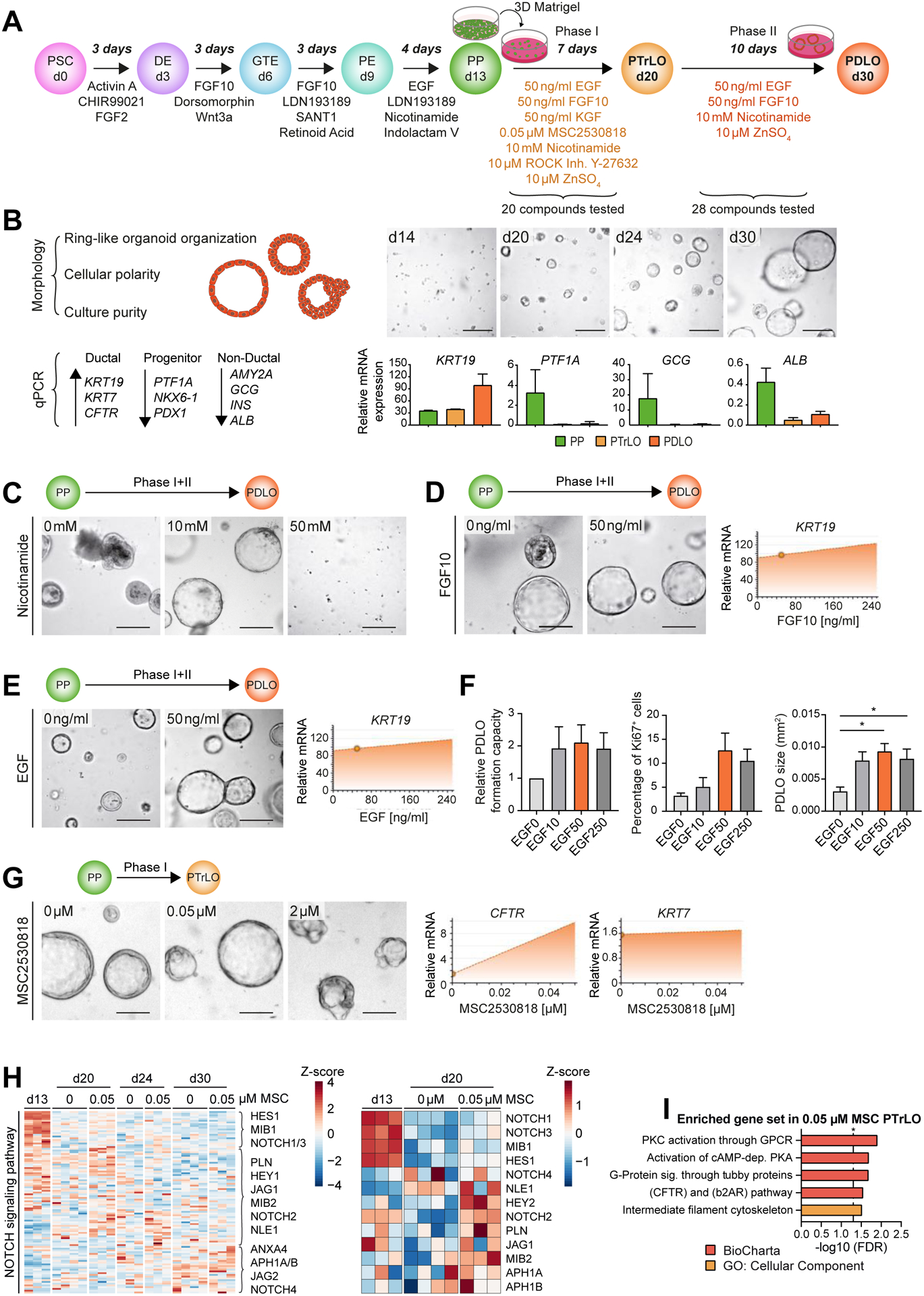
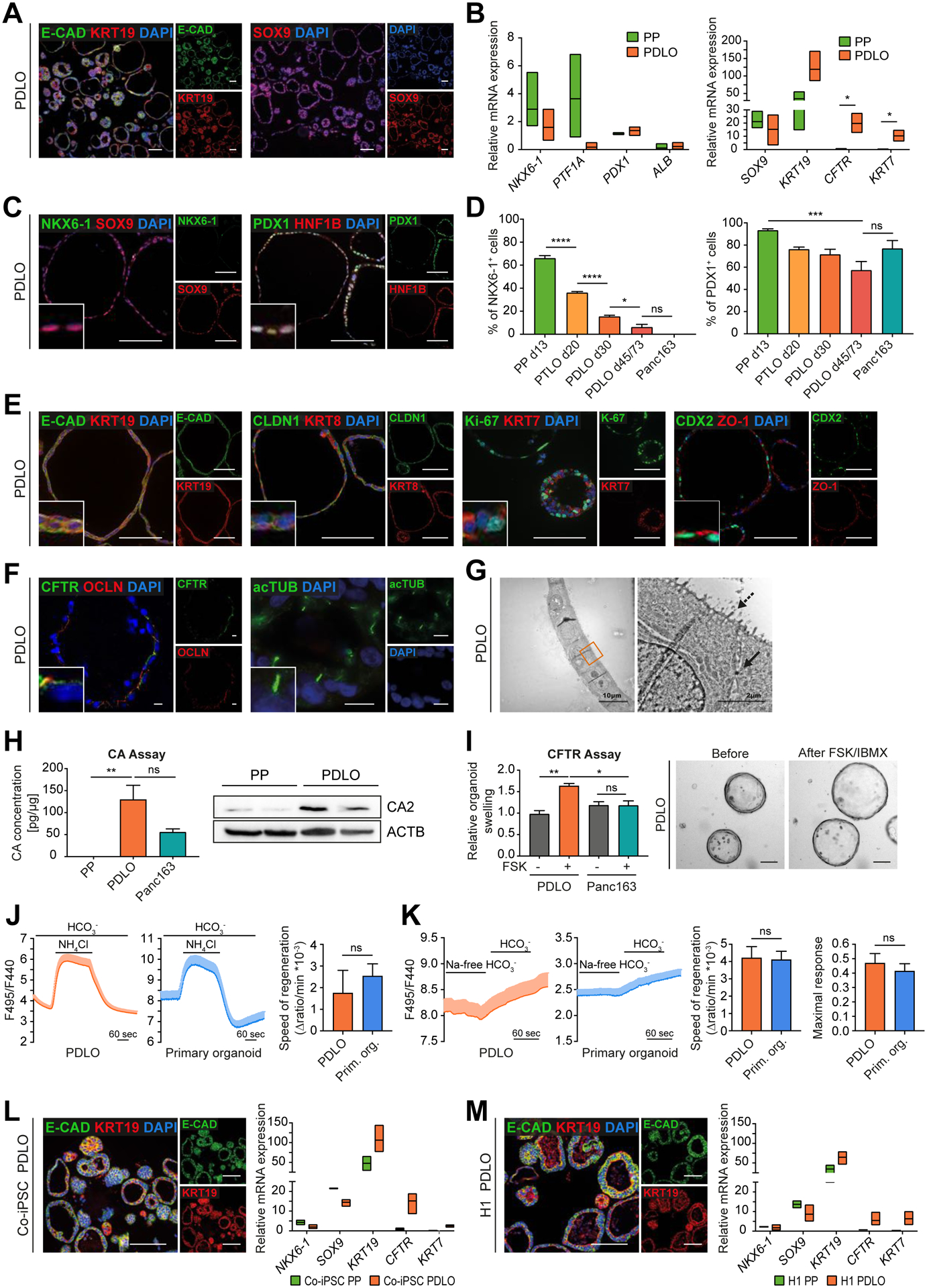
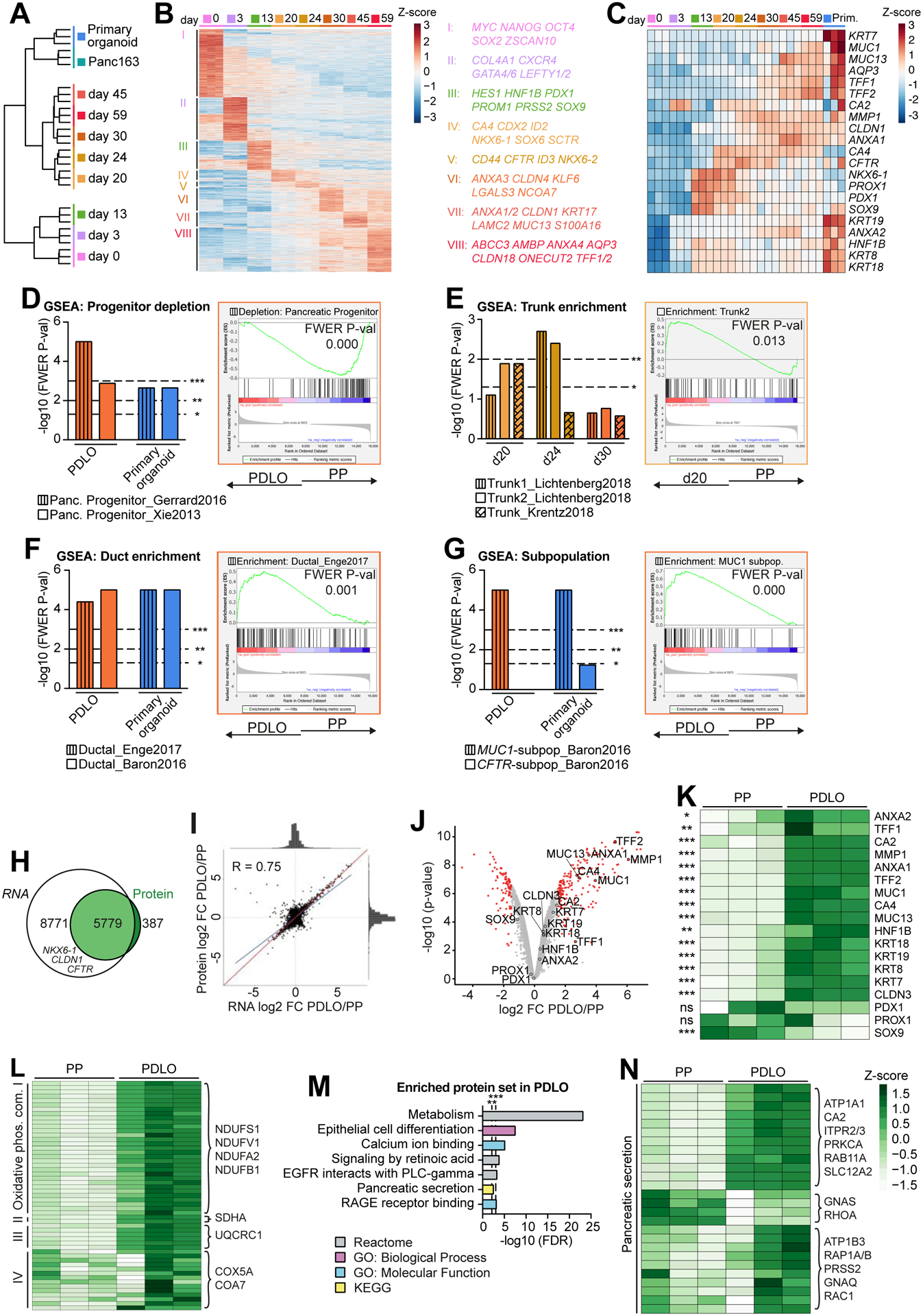
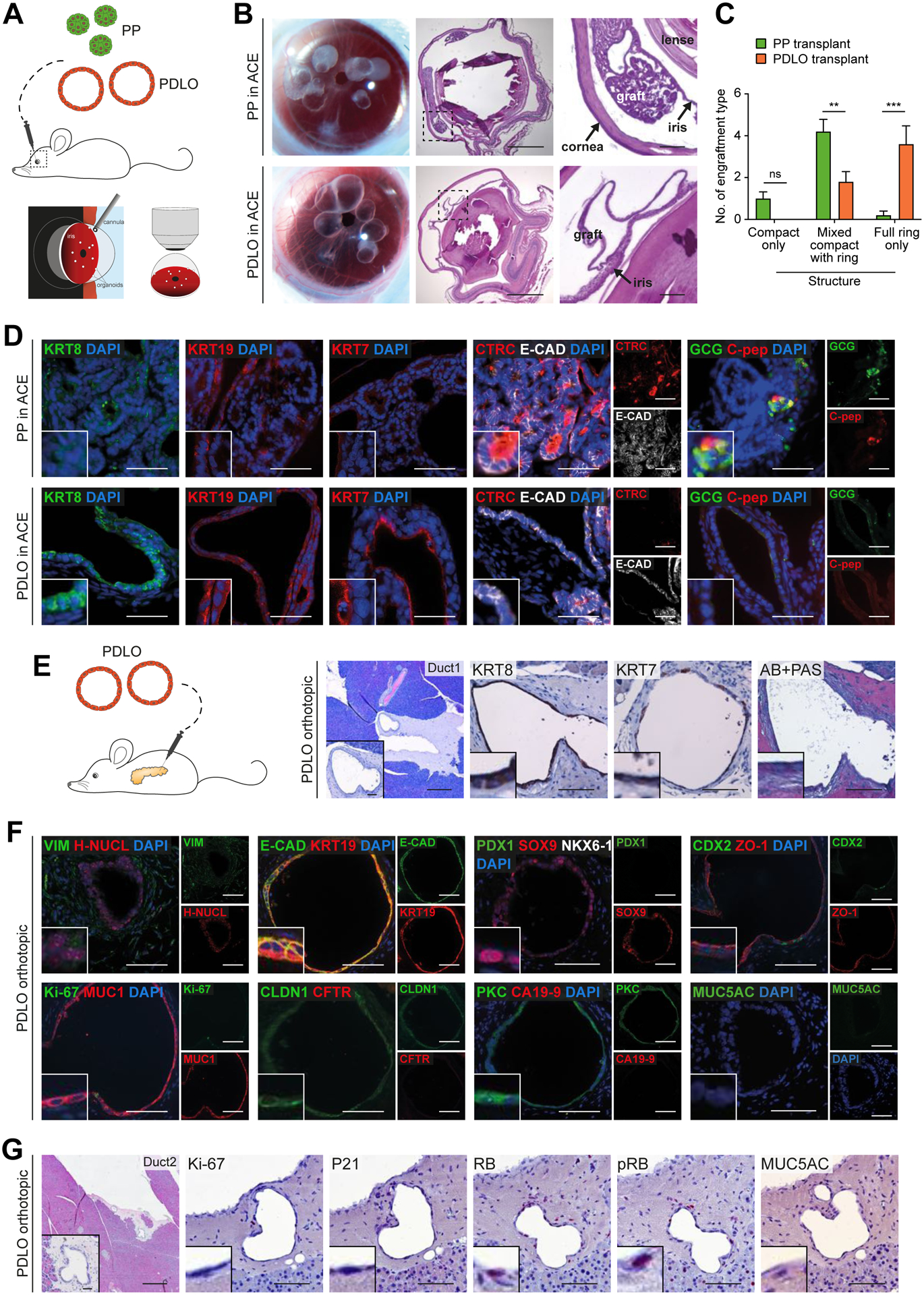
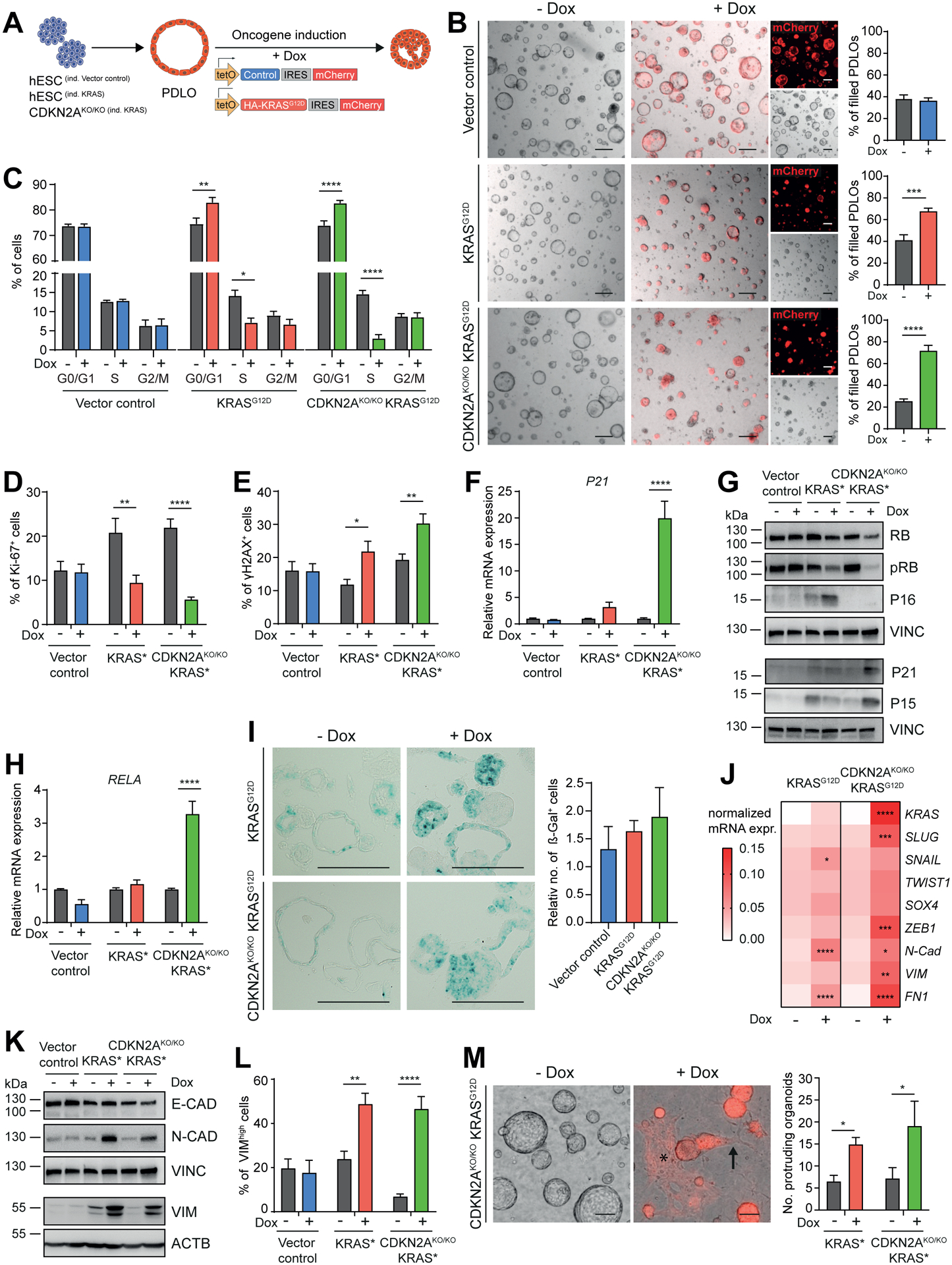
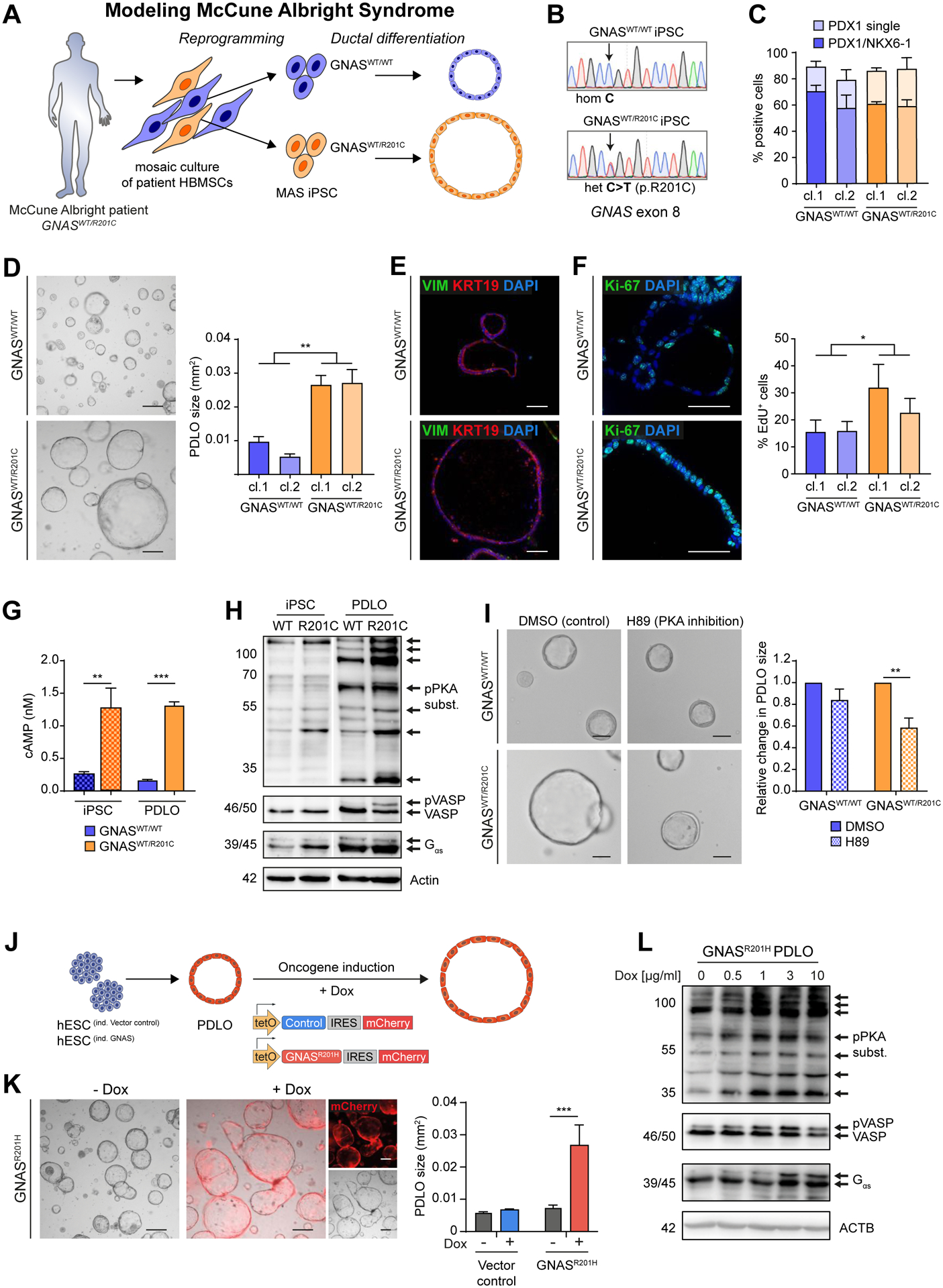
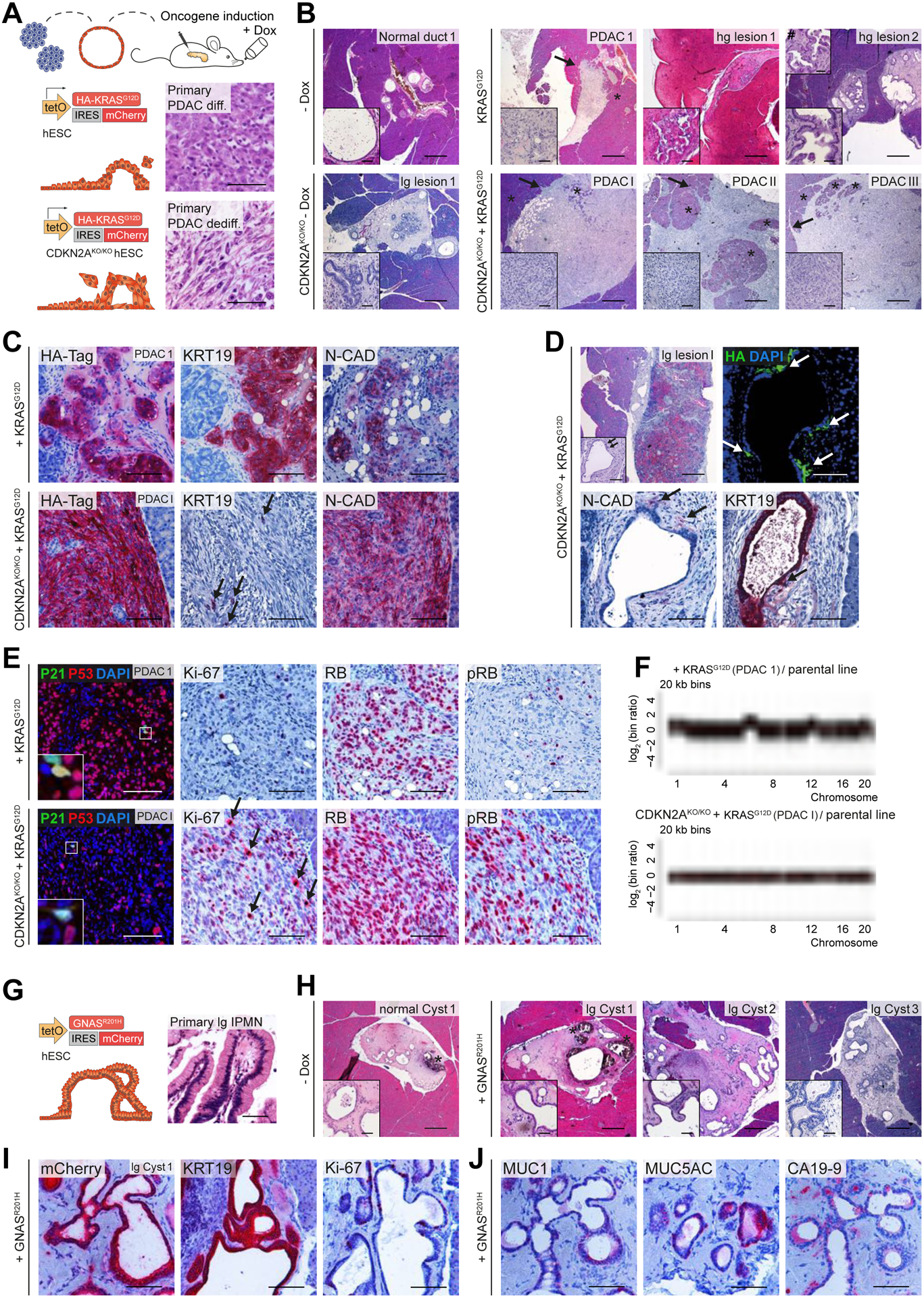
Personalized in vitro models for dysplasia and carcinogenesis in the pancreas have been constrained by insufficient differentiation of human pluripotent stem cells (hPSCs) into the exocrine pancreatic lineage. Here, we differentiate hPSCs into pancreatic duct-like organoids (PDLOs) with morphological, transcriptional, proteomic, and functional characteristics of human pancreatic ducts, further maturing upon transplantation into mice. PDLOs are generated from hPSCs inducibly expressing oncogenic GNAS, KRAS, or KRAS with genetic covariance of lost CDKN2A and from induced hPSCs derived from a McCune-Albright patient. Each oncogene causes a specific growth, structural, and molecular phenotype in vitro. While transplanted PDLOs with oncogenic KRAS alone form heterogenous dysplastic lesions or cancer, KRAS with CDKN2A loss develop dedifferentiated pancreatic ductal adenocarcinomas. In contrast, transplanted PDLOs with mutant GNAS lead to intraductal papillary mucinous neoplasia-like structures. Conclusively, PDLOs enable in vitro and in vivo studies of pancreatic plasticity, dysplasia, and cancer formation from a genetically defined background.
Keywords: CDKN2A; GNAS; IPMN; KRAS; PDAC; disease modelling; ductal pancreatic organoids; human pluripotent stem cells; in vitro differentiation; xenograft.
Copyright © 2021 Elsevier Inc. All rights reserved.
Conflict of interest statement
Declaration of interests The authors declare no competing interests.
Figures
Comment in
-
Pancreatic plasticity: Unlocking exocrine lineage specification.Cell Stem Cell. 2021 Jun 3;28(6):987-988. doi: 10.1016/j.stem.2021.05.006. Cell Stem Cell. 2021. PMID: 34087158
References
-
- ANSIEAU S, BASTID J, DOREAU A, MOREL AP, BOUCHET BP, THOMAS C, FAUVET F, PUISIEUX I, DOGLIONI C, PICCININ S, MAESTRO R, VOELTZEL T, SELMI A, VALSESIA-WITTMANN S, CARON DE FROMENTEL C & PUISIEUX A 2008. Induction of EMT by twist proteins as a collateral effect of tumor-promoting inactivation of premature senescence. Cancer Cell, 14, 79–89. - PubMed
-
- BARTEK J, BARTKOVA J & LUKAS J 2007. DNA damage signalling guards against activated oncogenes and tumour progression. Oncogene, 26, 7773–9. - PubMed
-
- BENJAMINI Y & HOCHBERG Y 1995. Controlling the false discovery rate: a practical and powerful approach to multiple testing. Journal of the Royal statistical society: series B (Methodological), 57, 289–300.
Publication types
MeSH terms
Grants and funding
LinkOut - more resources
Full Text Sources
Other Literature Sources
Medical
Research Materials
Miscellaneous
