Review
. 2021 Apr 6;13(4):261.
doi: 10.3390/toxins13040261.

Phytotoxic Secondary Metabolites from Fungi

Affiliations
Review

Phytotoxic Secondary Metabolites from Fungi

Dan Xu et al. Toxins (Basel). .

Abstract

Fungal phytotoxic secondary metabolites are poisonous substances to plants produced by fungi through naturally occurring biochemical reactions. These metabolites exhibit a high level of diversity in their properties, such as structures, phytotoxic activities, and modes of toxicity. They are mainly isolated from phytopathogenic fungal species in the genera of Alternaria, Botrytis, Colletotrichum, Fusarium, Helminthosporium, and Phoma. Phytotoxins are either host specific or non-host specific phytotoxins. Up to now, at least 545 fungal phytotoxic secondary metabolites, including 207 polyketides, 46 phenols and phenolic acids, 135 terpenoids, 146 nitrogen-containing metabolites, and 11 others, have been reported. Among them, aromatic polyketides and sesquiterpenoids are the main phytotoxic compounds. This review summarizes their chemical structures, sources, and phytotoxic activities. We also discuss their phytotoxic mechanisms and structure-activity relationships to lay the foundation for the future development and application of these promising metabolites as herbicides.

Keywords: fungi; herbicidal; mycoherbicides; mycotoxins; phytotoxic; phytotoxins; plant pathogenic fungi; secondary metabolites.


Conflict of interest statement

The authors declare no conflict of interest.

Figures

Figure 1
Figure 1
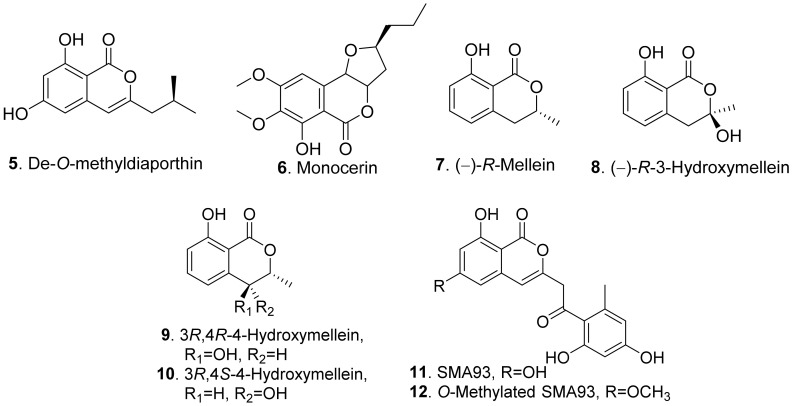
Structures of the phytotoxic benzo-α-pyrones isolated from fungi.
Figure 1
Figure 1
Structures of the phytotoxic benzo-α-pyrones isolated from fungi.
Figure 2
Figure 2
Structures of the phytotoxic benzo-γ-pyrones isolated from fungi.
Figure 3
Figure 3
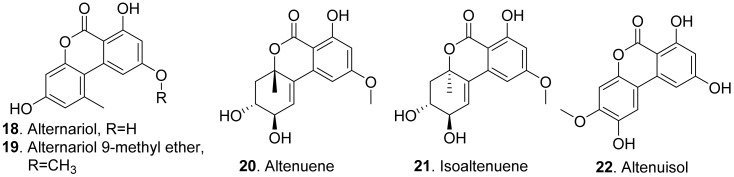
Structures of the phytotoxic dibenzo-α-pyrones isolated from fungi.
Figure 4
Figure 4
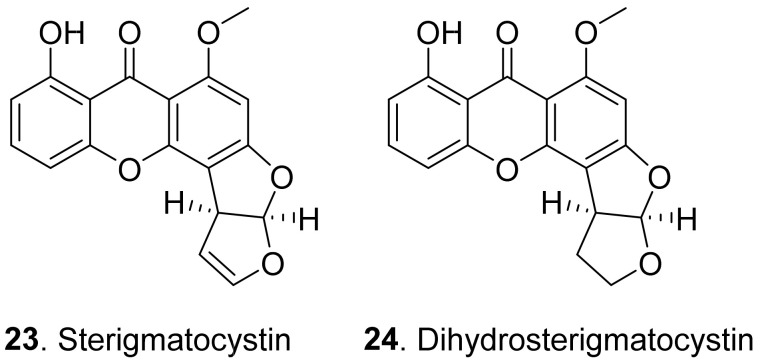
Structures of the phytotoxic dibenzo-γ-pyrones isolated from fungi.
Figure 5
Figure 5
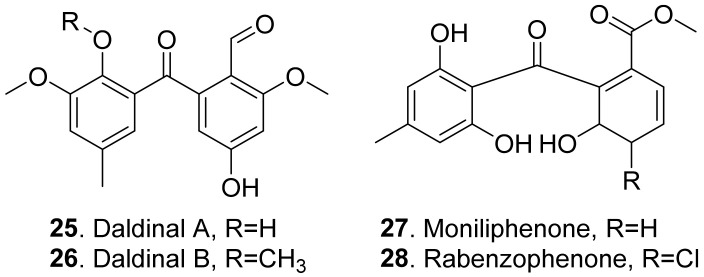
Structures of the phytotoxic benzophenones isolated from fungi.
Figure 6
Figure 6
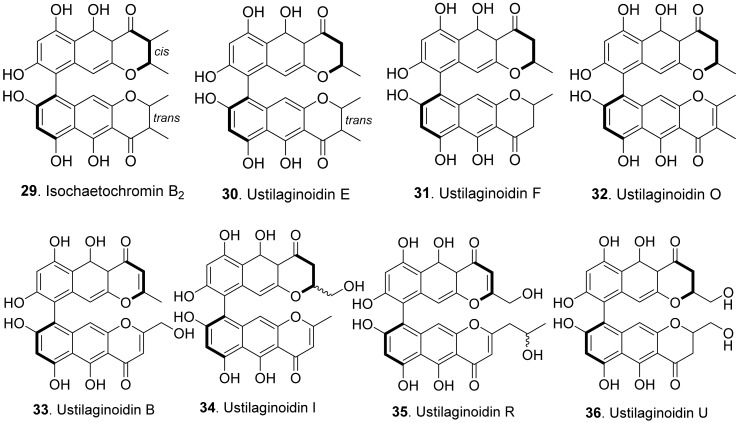
Structures of the phytotoxic bis-naphtho-γ-pyrones isolated from fungi.
Figure 7
Figure 7
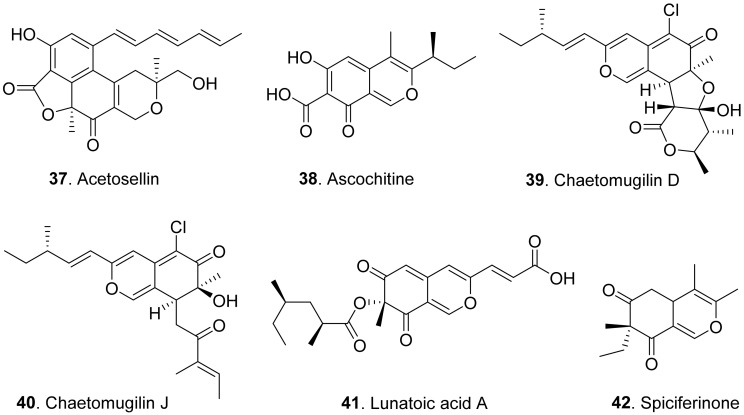
Structures of the phytotoxic azaphilones isolated from fungi.
Figure 8
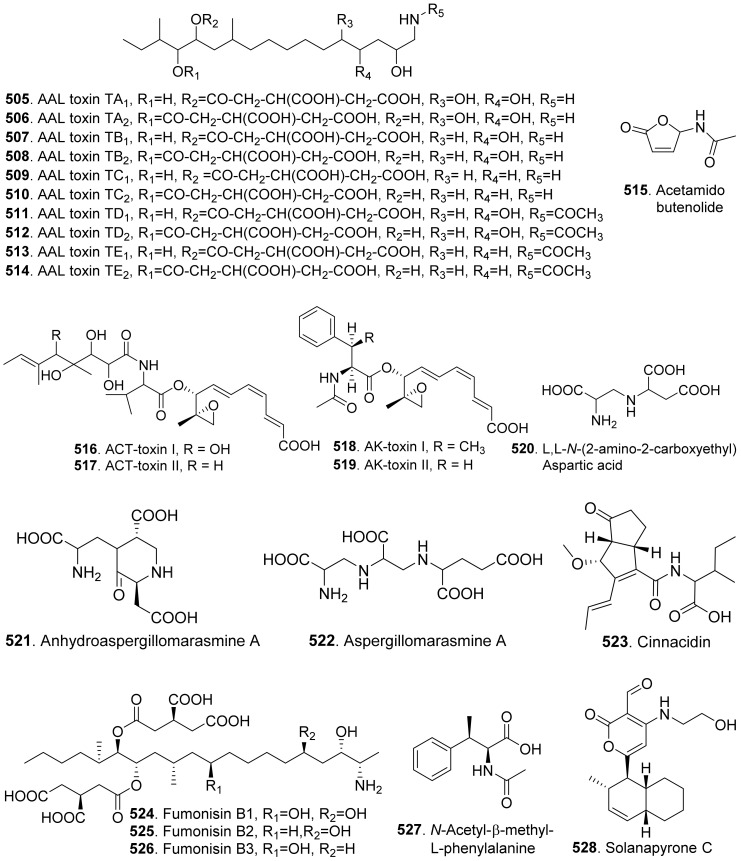
Figure 8
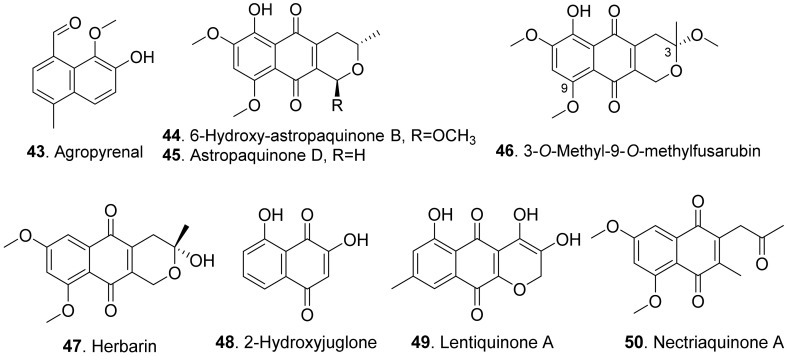
Structures of the phytotoxic naphthol and naphthoquinone congeners isolated from fungi.
Figure 9
Figure 9
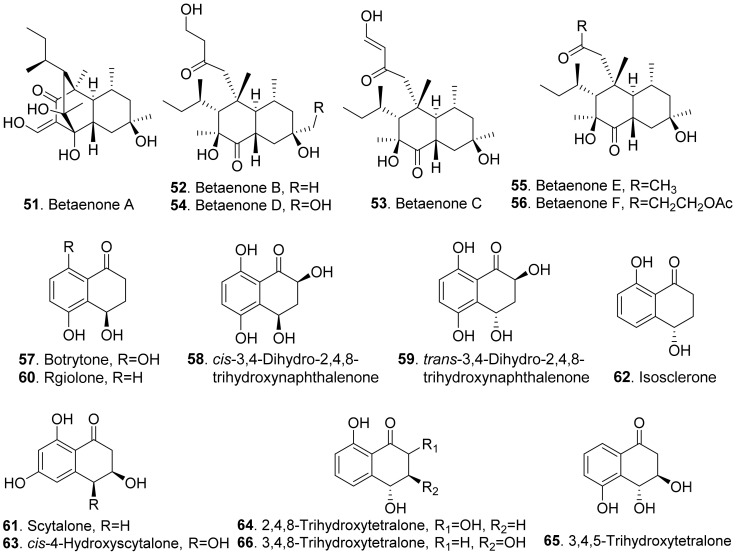
Structures of the phytotoxic naphthalenone congeners isolated from fungi.
Figure 10
Figure 10
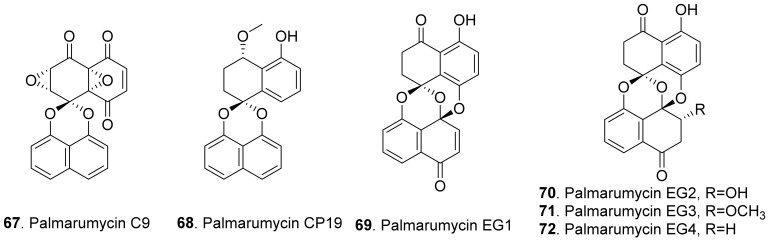
Structures of the phytotoxic spirobisnaphthalenes isolated from fungi.
Figure 11
Figure 11
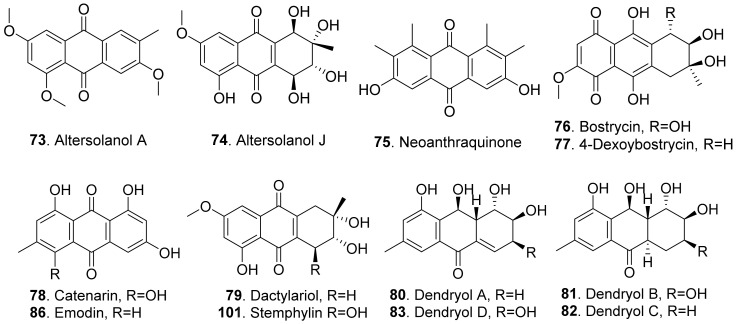
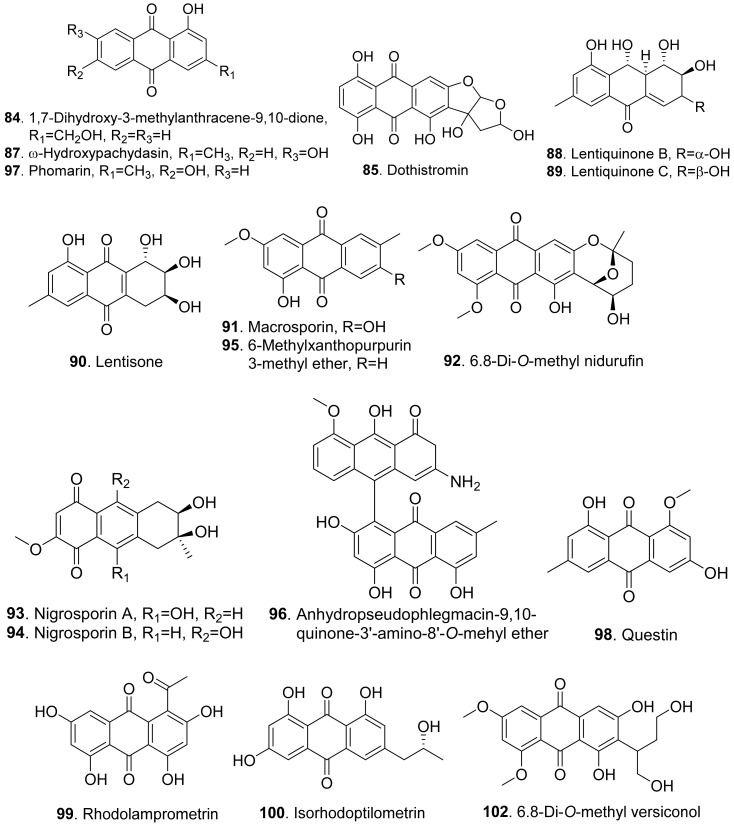
Structures of the phytotoxic anthraquinones isolated from fungi.
Figure 11
Figure 11
Structures of the phytotoxic anthraquinones isolated from fungi.
Figure 12
Figure 12
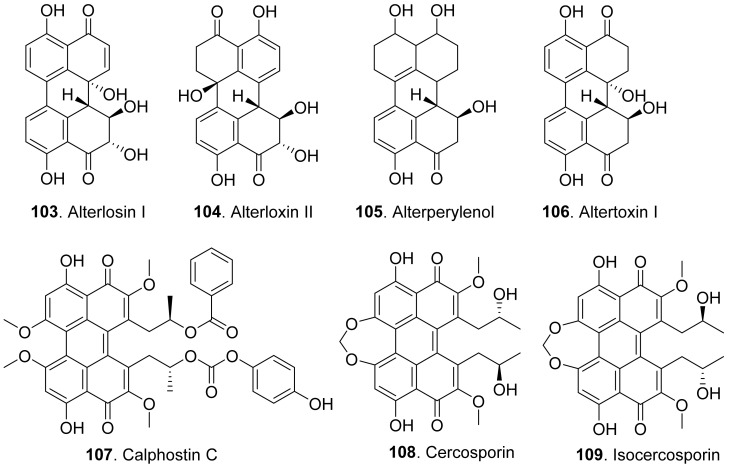
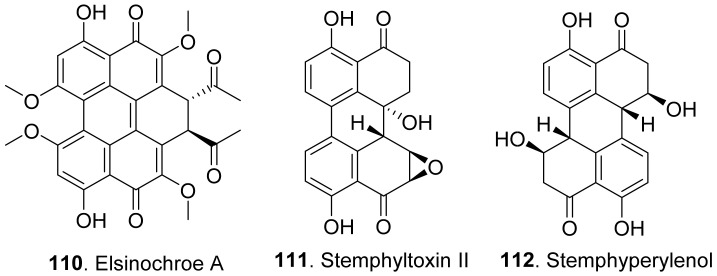
Structures of the phytotoxic perylenequinonoids isolated from fungi.
Figure 12
Figure 12
Structures of the phytotoxic perylenequinonoids isolated from fungi.
Figure 13
Figure 13
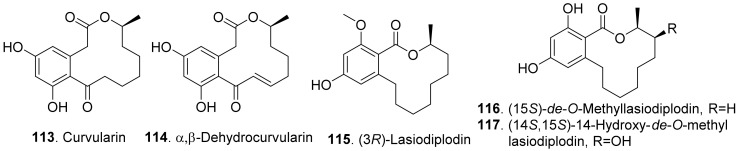
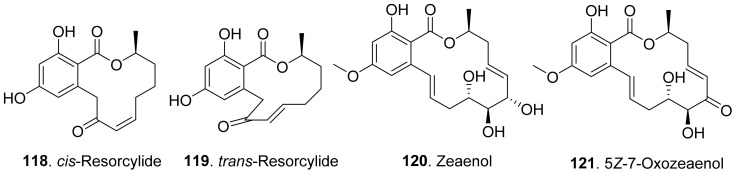
Structures of the phytotoxic aromatic macrolides isolated from fungi.
Figure 13
Figure 13
Structures of the phytotoxic aromatic macrolides isolated from fungi.
Figure 14
Figure 14
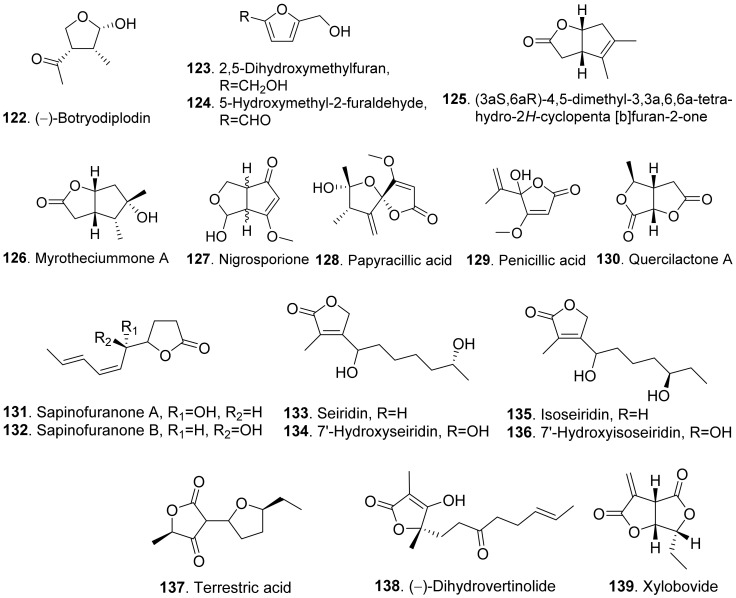
Structures of the phytotoxic furan and furanone analogures isolated from fungi.
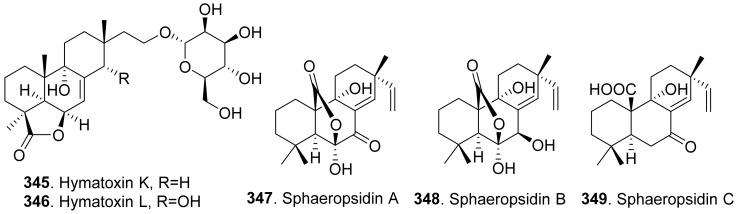
Figure 15
Figure 15
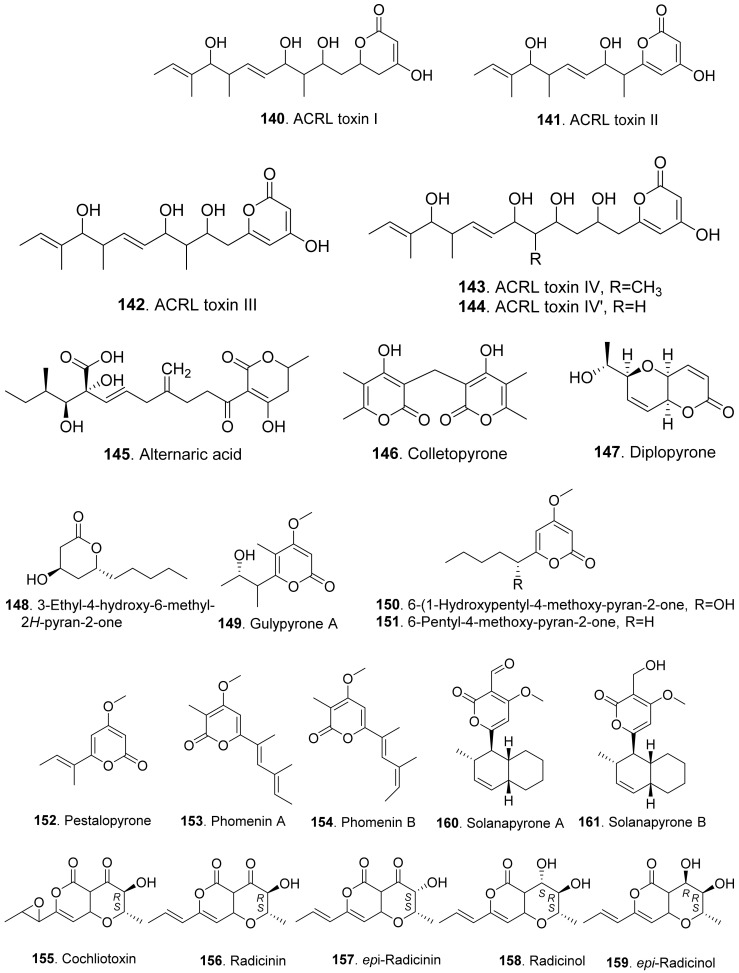
Structures of the phytotoxic aromatic-free α-pyrones isolated from fungi.
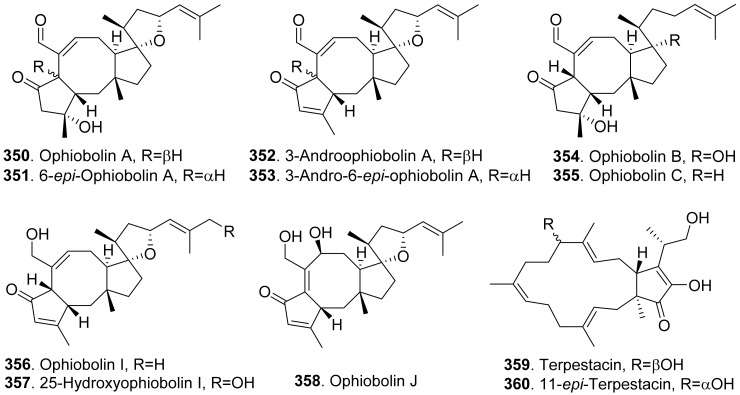
Figure 16
Figure 16
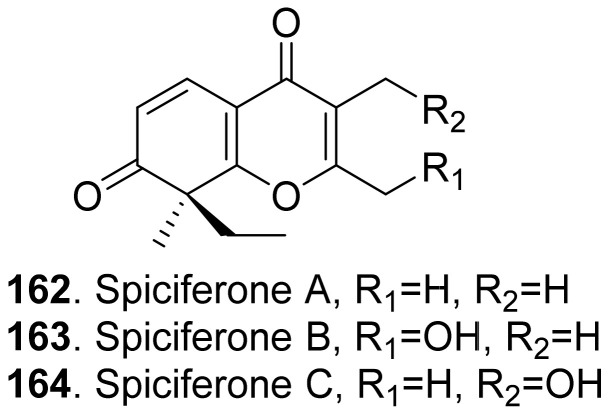
Structures of the phytotoxic aromatic-free γ-pyrones isolated from fungi.
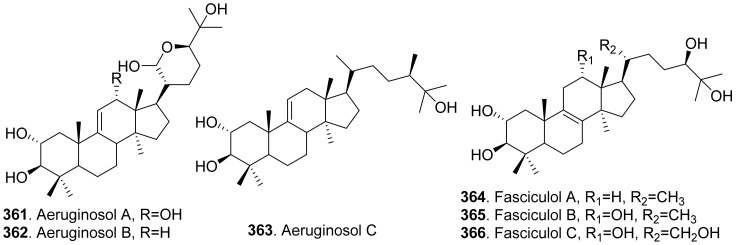
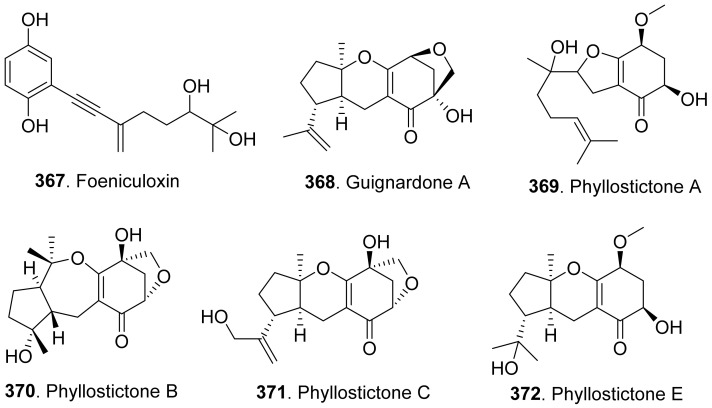
Figure 17
Figure 17
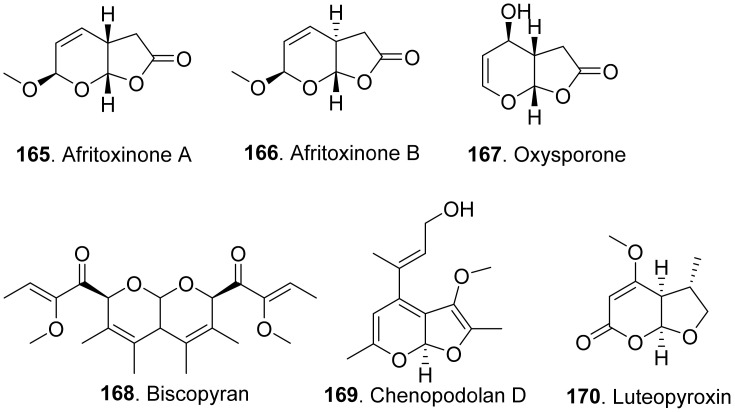
Structures of the phytotoxic furopyran and pyranpyran analogues isolated from fungi.
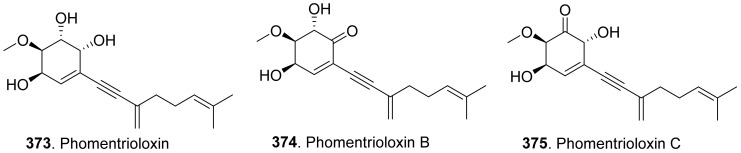
Figure 18
Figure 18
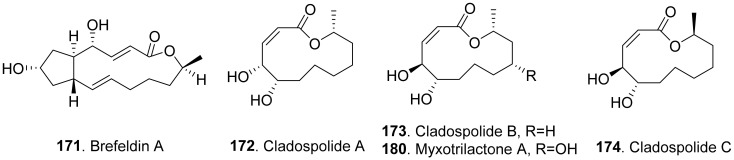
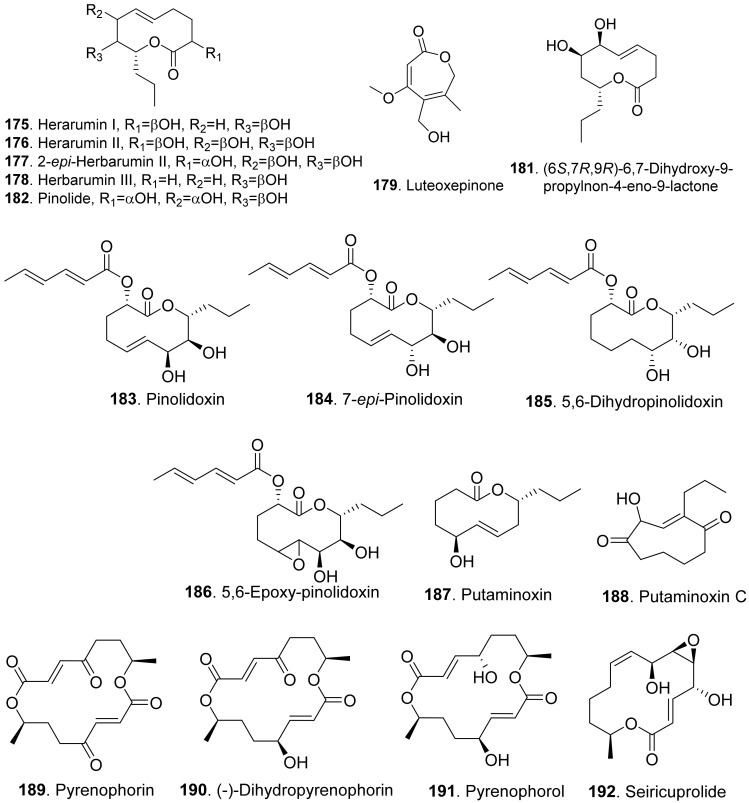
Structures of the phytotoxic aromatic-free macrolides isolated from fungi.
Figure 18
Figure 18
Structures of the phytotoxic aromatic-free macrolides isolated from fungi.
Figure 19
Figure 19
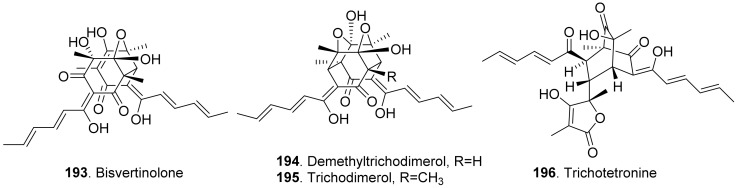
Structures of the phytotoxic sorbicillinoids isolated from fungi.
Figure 20
Figure 20
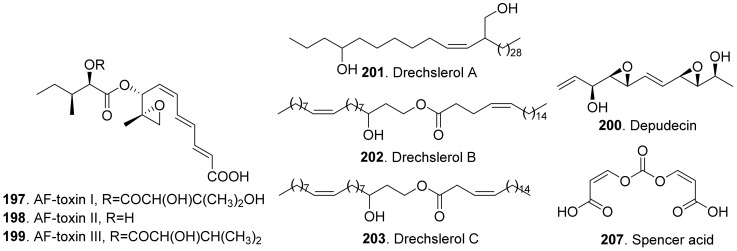
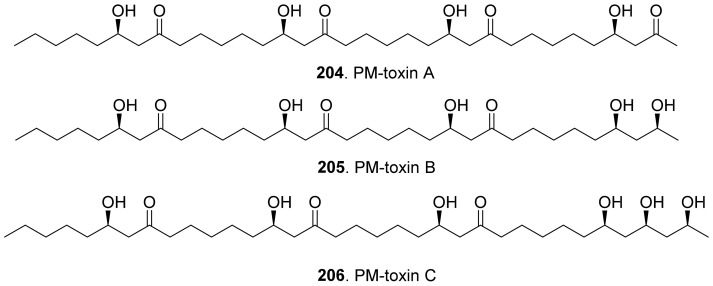
Structures of the phytotoxic linear polyketides isolated from fungi.
Figure 20
Figure 20
Structures of the phytotoxic linear polyketides isolated from fungi.
Figure 21
Figure 21
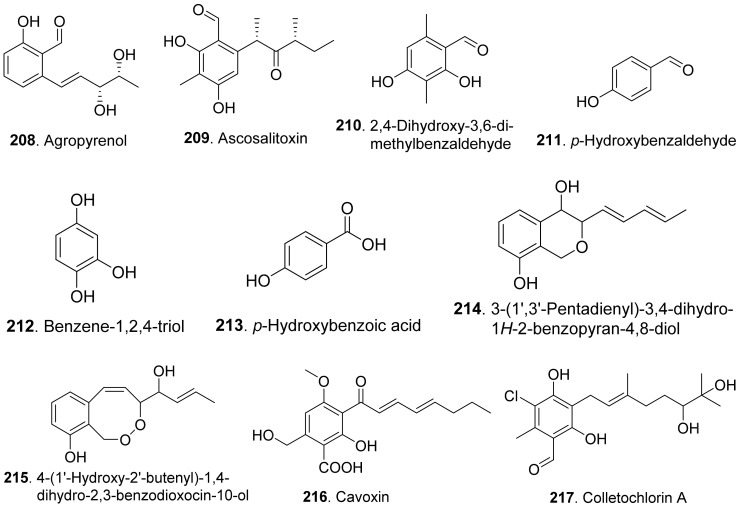
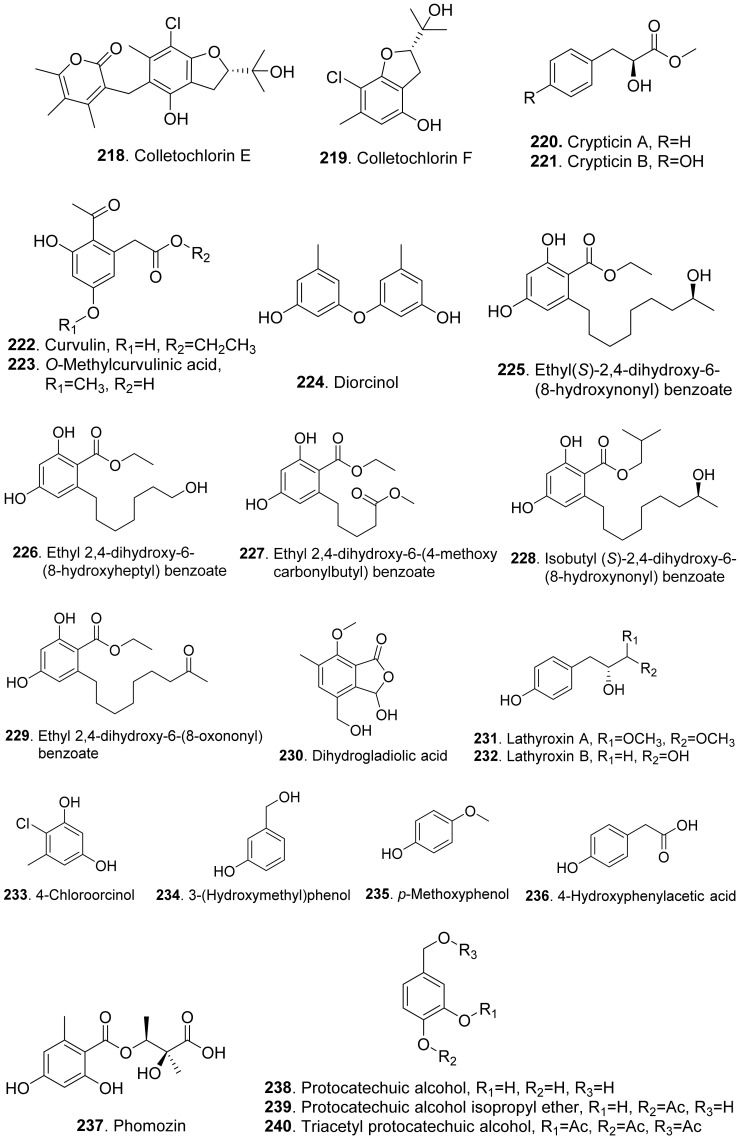
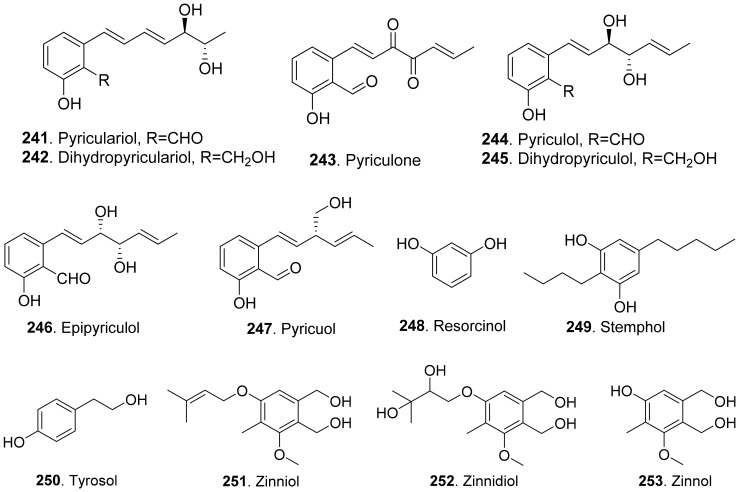
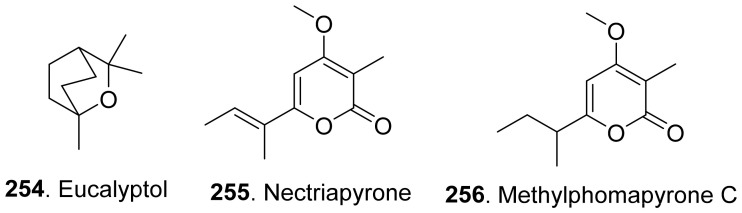
Structures of the phytotoxic phenols and phenolic acids isolated from fungi.
Figure 21
Figure 21
Structures of the phytotoxic phenols and phenolic acids isolated from fungi.
Figure 21
Figure 21
Structures of the phytotoxic phenols and phenolic acids isolated from fungi.
Figure 22
Figure 22
Structures of the phytotoxic monoterpenoids isolated from fungi.
Figure 23
Figure 23
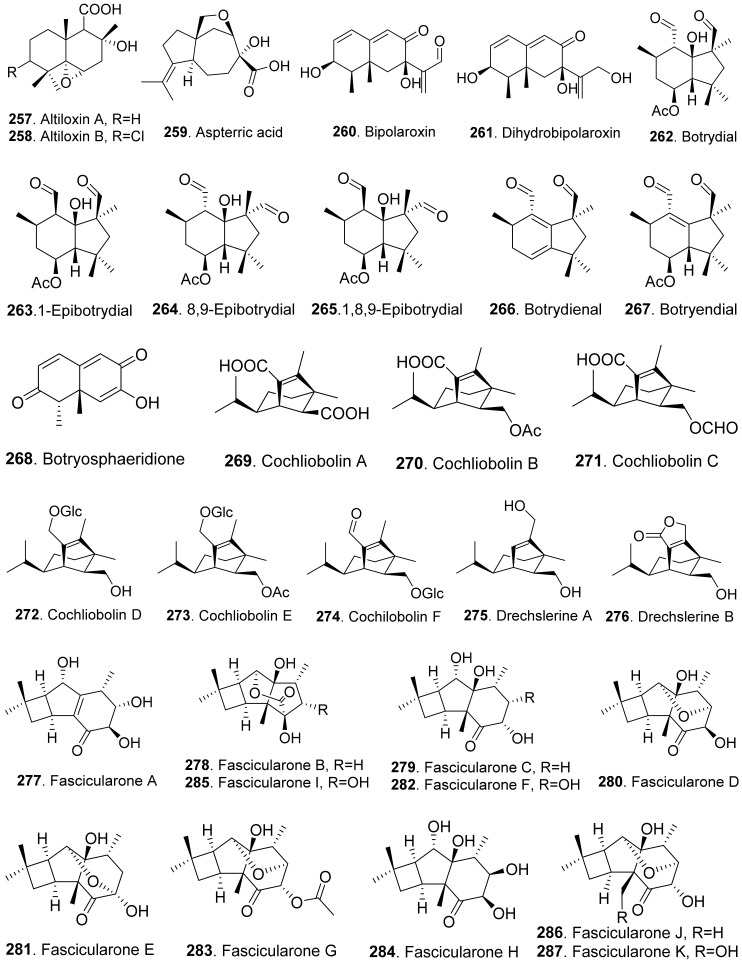
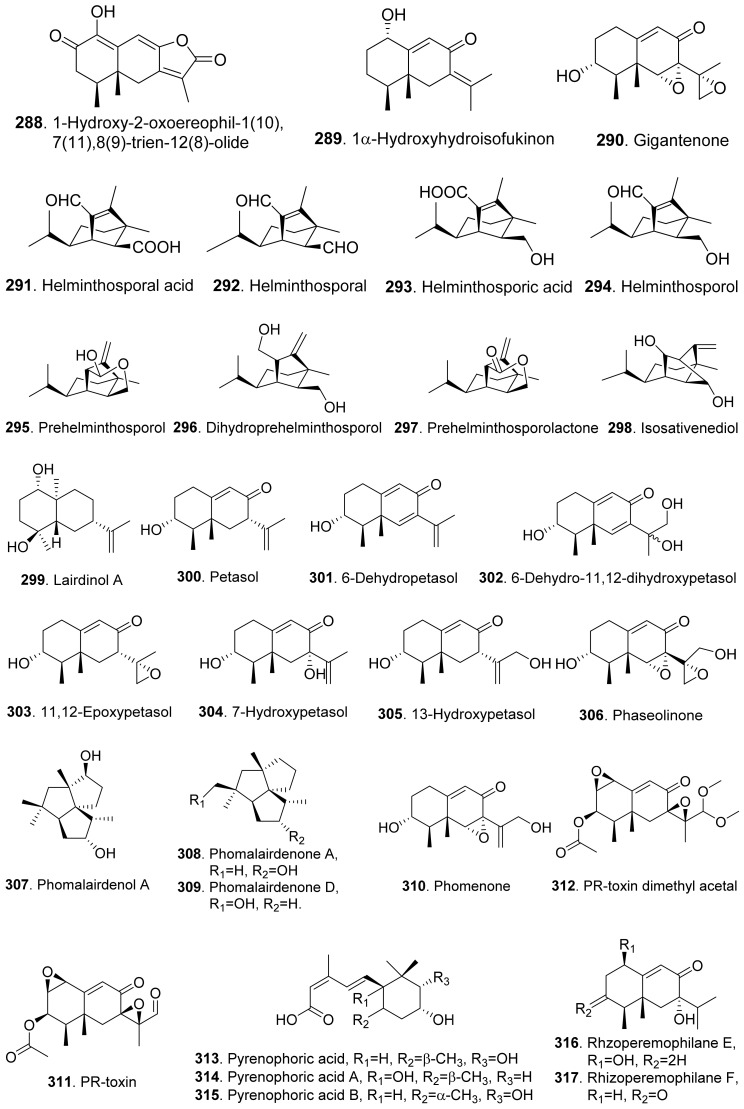
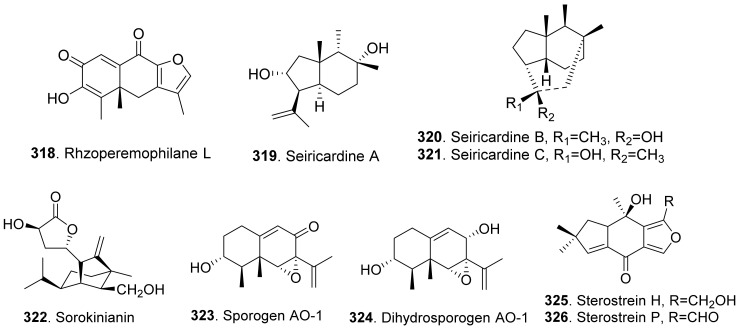
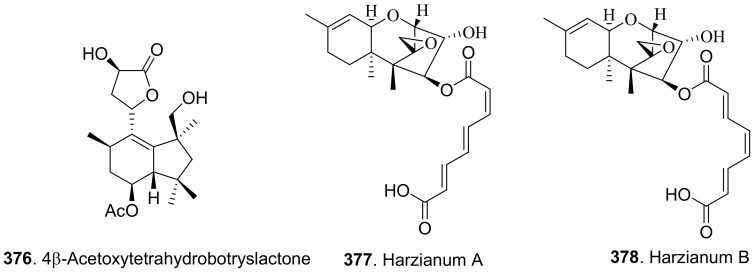
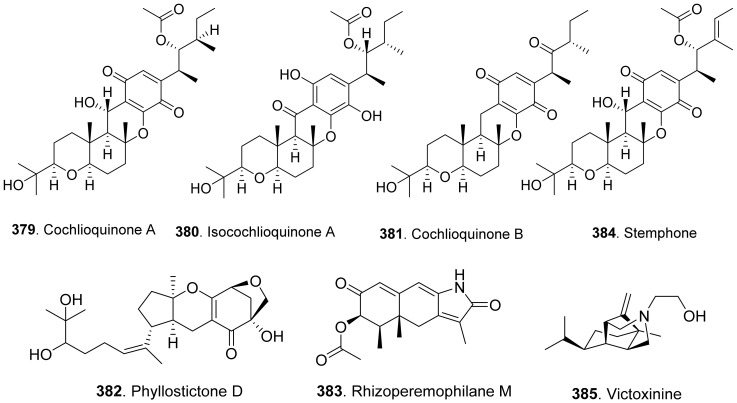
Structures of the phytotoxic sesquiterpenoids isolated from fungi.
Figure 23
Figure 23
Structures of the phytotoxic sesquiterpenoids isolated from fungi.
Figure 23
Figure 23
Structures of the phytotoxic sesquiterpenoids isolated from fungi.
Figure 24
Figure 24
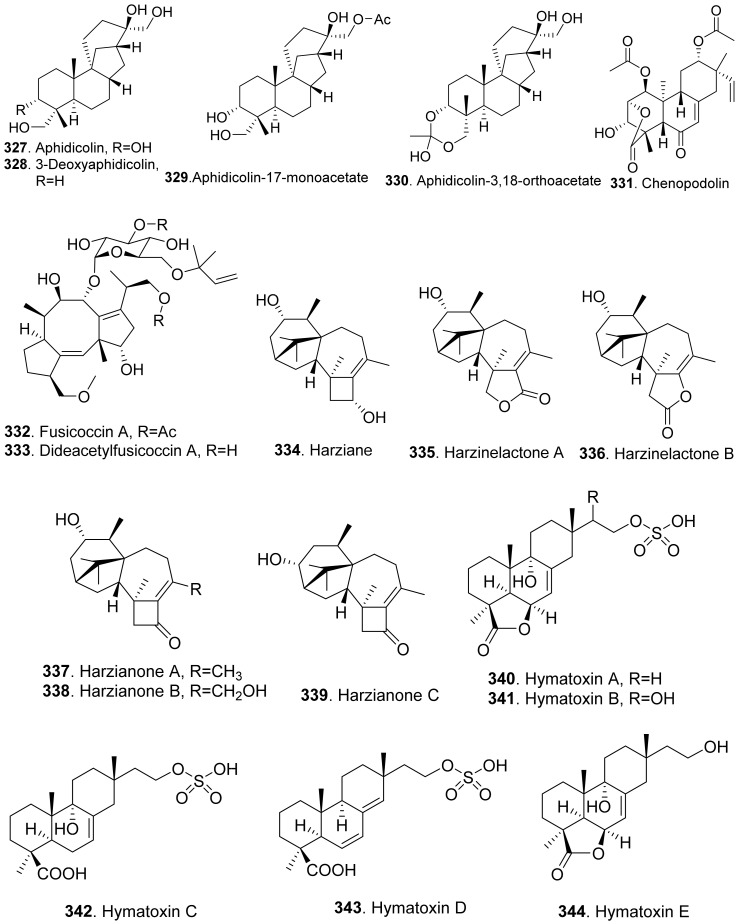
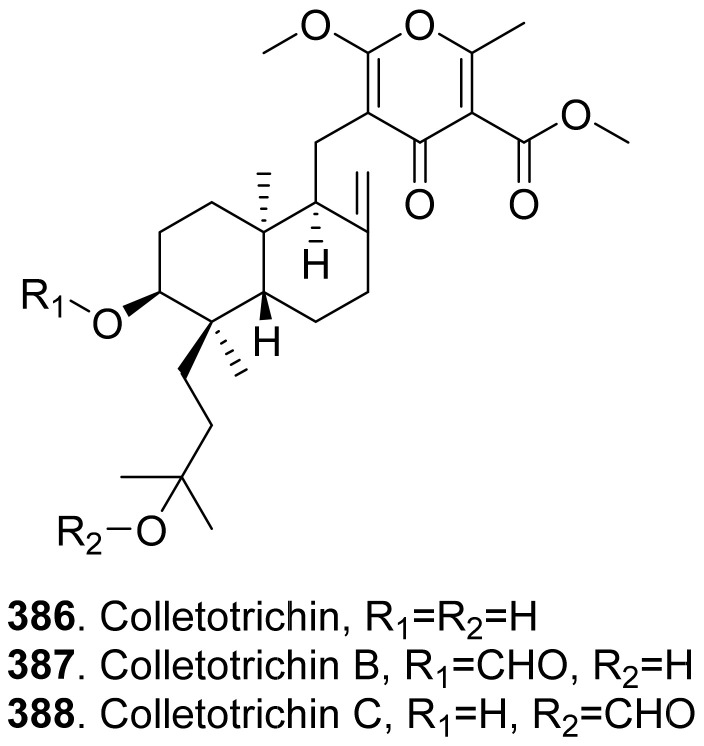
Structures of the phytotoxic diterpenoids isolated from fungi.
Figure 24
Figure 24
Structures of the phytotoxic diterpenoids isolated from fungi.
Figure 25
Figure 25
Structures of the phytotoxic sesterterpenoids isolated from fungi.
Figure 26
Figure 26
Structures of the phytotoxic triterpenoids isolated from fungi.
Figure 27
Figure 27
Structures of the phytotoxic meroterpenoids with monoterpene pathways isolated from fungi.
Figure 27
Figure 27
Structures of the phytotoxic meroterpenoids with monoterpene pathways isolated from fungi.
Figure 28
Figure 28
Structures of the phytotoxic meroterpenoids with sesquiterpene pathways isolated from fungi.
Figure 28
Figure 28
Structures of the phytotoxic meroterpenoids with sesquiterpene pathways isolated from fungi.
Figure 29
Figure 29
Structures of the phytotoxic meroterpenoids containing diterpene pathways isolated from fungi.
Figure 30
Figure 30
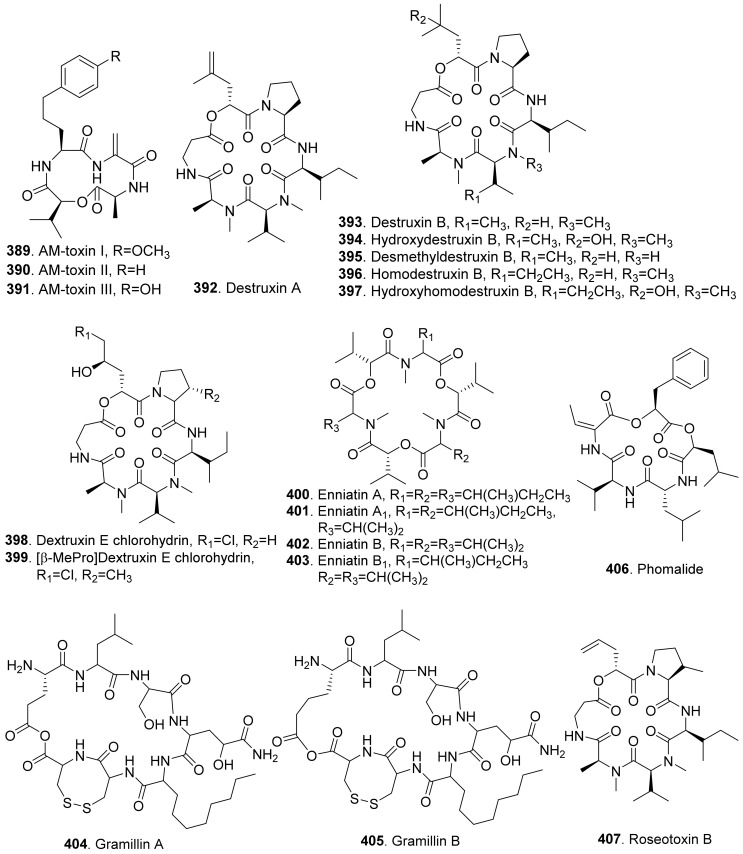
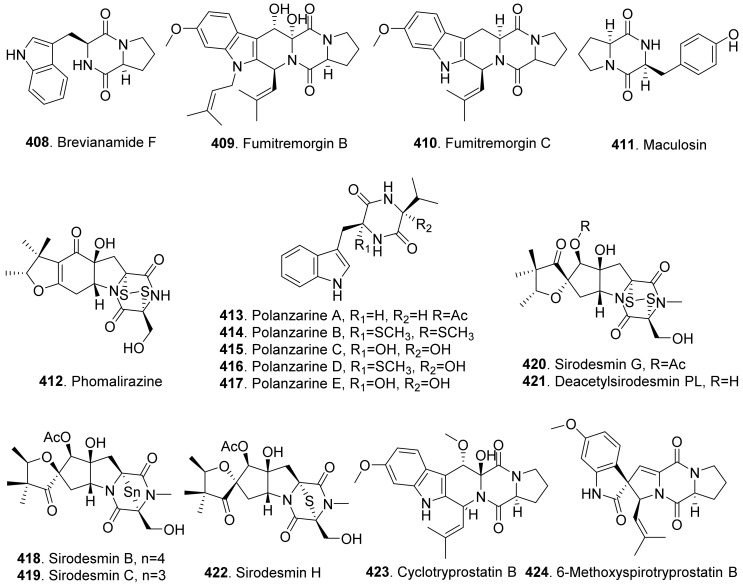
Structures of the phytotoxic cyclic depsipeptides isolated from fungi.
Figure 31
Figure 31
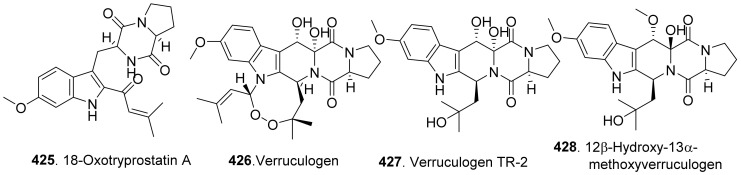
Structures of the phytotoxic cyclodipeptides isolated from fungi.
Figure 31
Figure 31
Structures of the phytotoxic cyclodipeptides isolated from fungi.
Figure 32
Figure 32
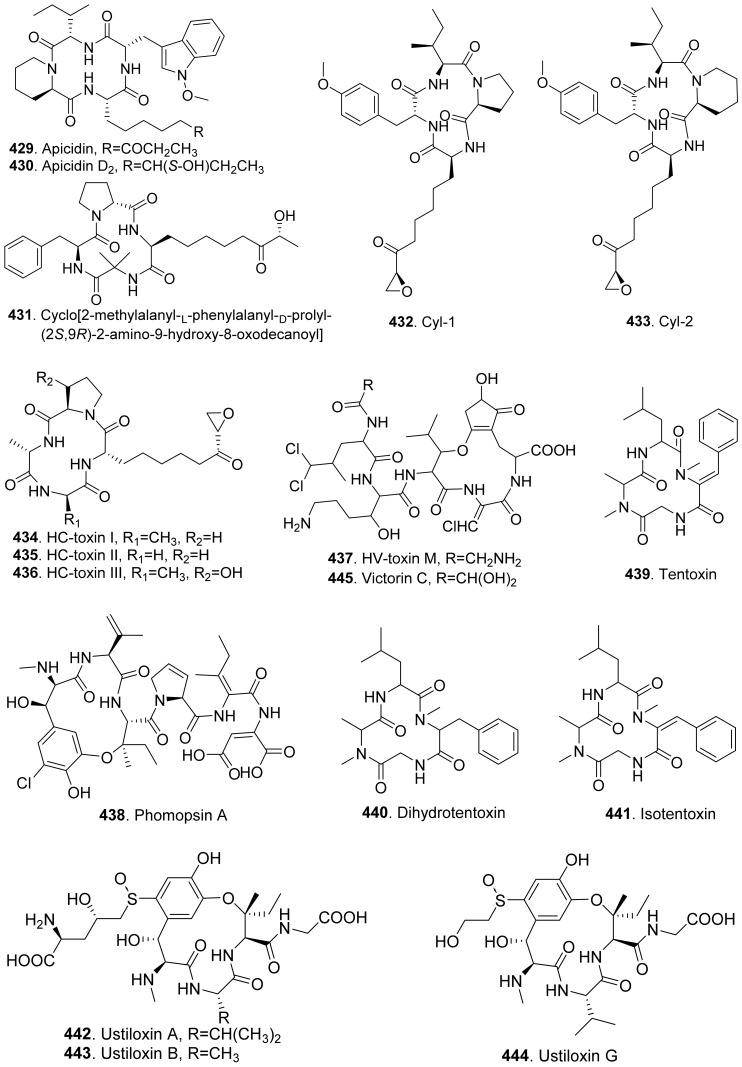
Structures of the phytotoxic and ester bond-free cyclic peptides, excluding cyclodipeptides isolated from fungi.
Figure 33
Figure 33
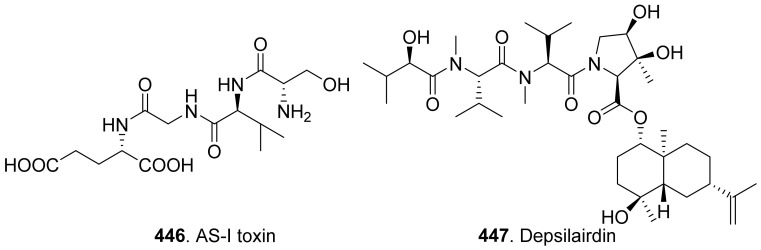
Structures of the phytotoxic noncyclic oligopeptides isolated from fungi.
Figure 34
Figure 34
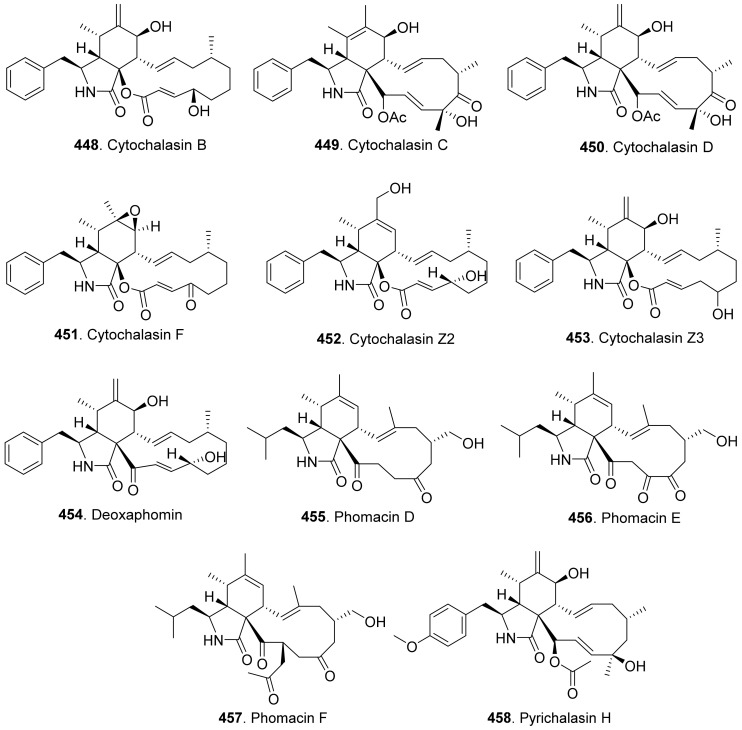
Structures of the phytotoxic cytochalasins isolated from fungi.
Figure 35
Figure 35
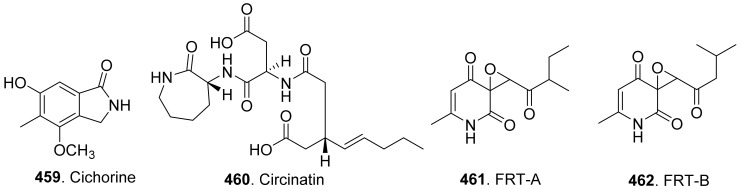
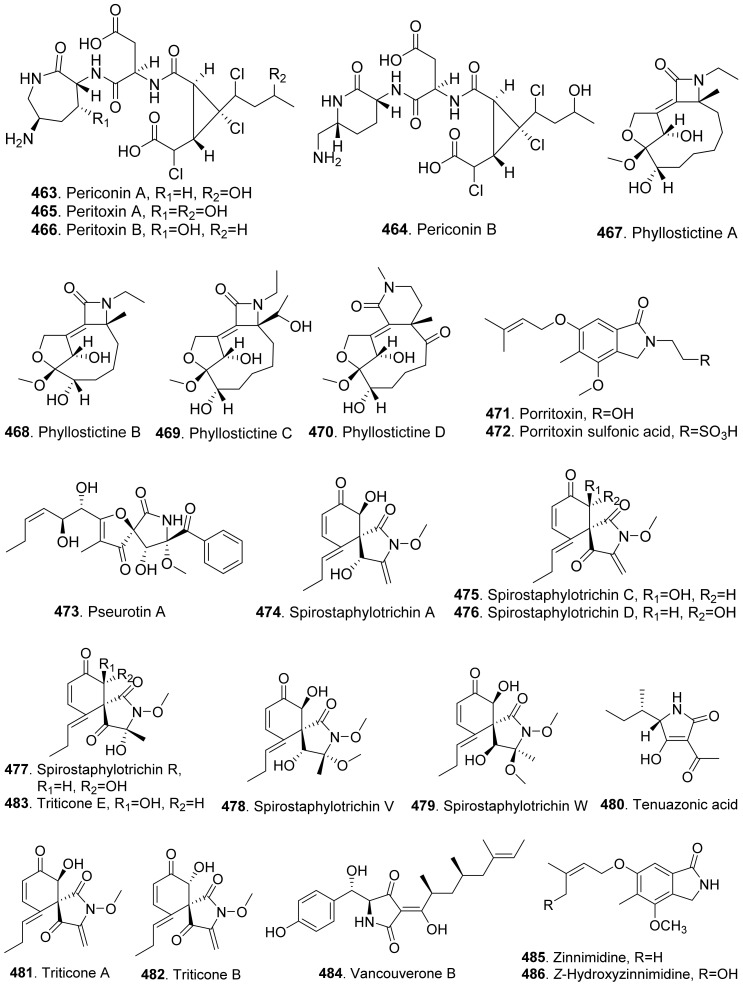
Structures of the phytotoxic lactams isolated from fungi.
Figure 35
Figure 35
Structures of the phytotoxic lactams isolated from fungi.
Figure 36
Figure 36
Structures of the phytotoxic indole derivatives isolated from fungi.
Figure 37
Figure 37
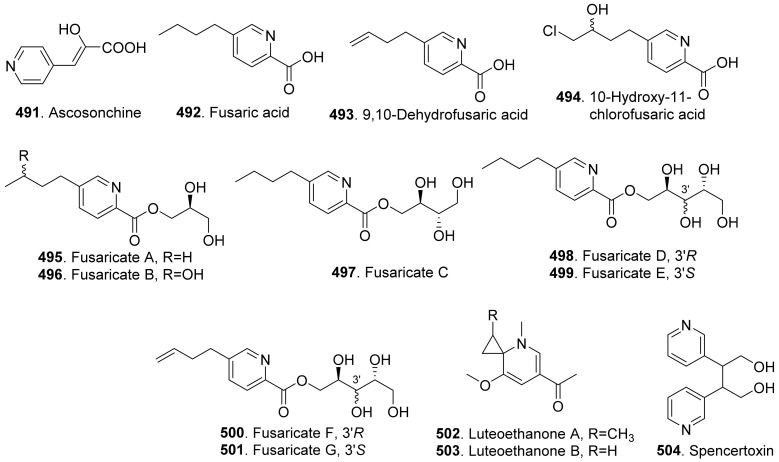
Structures of the phytotoxic pyridine derivatives isolated from fungi.
Figure 38
Figure 38
Structures of the phytotoxic amines and noncyclic amides isolated from fungi.
Figure 39
Figure 39
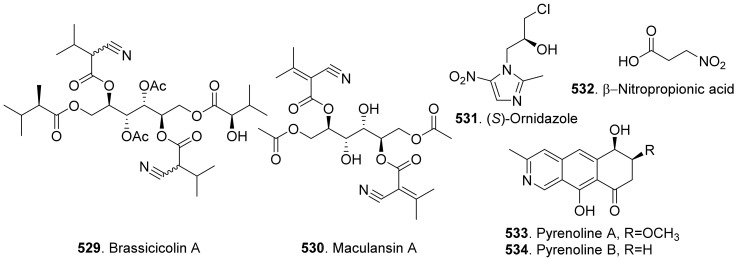
Structures of the other phytotoxic nitrogen-containing metabolites isolated from fungi.
Figure 40
Figure 40
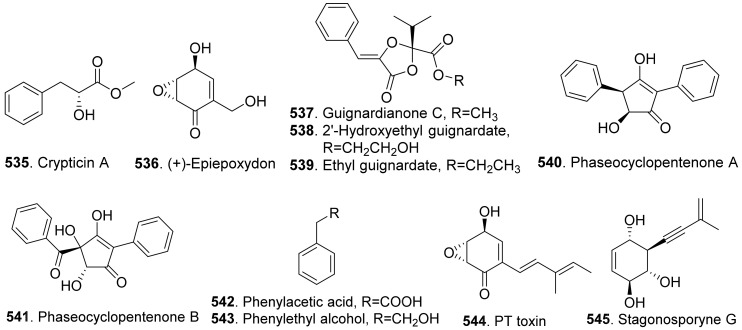
Structures of the miscellaneous phytotoxic metabolites isolated from fungi.

References

    1. Evidente A., Cimino A., Masi M. Phytotoxins produced by pathogenic fungi of agrarian plants. Phytochem. Rev. 2019;18:843–870. doi: 10.1007/s11101-019-09624-0. - DOI
    1. Chen H., Singh H., Bhardwaj N., Bhardwaj S.K., Khatri M., Kim K.-H., Peng W. An exploration on the toxicity mechanisms of phytotoxins and their potential utilities. Cret. Rev. Environ. Sci. Technol. 2020 doi: 10.1080/10643389.2020.1823172. - DOI
    1. Pontes J.G.M., Fernandes L.S., Dos Santos R.V., Tasic L., Fill T.P. Virulence factors in the phytopathogen-host interactions: An overview. J. Agric. Food Chem. 2020;68:7555–7570. doi: 10.1021/acs.jafc.0c02389. - DOI - PubMed
    1. Meena M., Samal S. Alternaria host-specific (HSTs) toxins: An overview of chemical characterization, target sites, regulation and their toxic effects. Toxicol. Rep. 2019;6:745–758. doi: 10.1016/j.toxrep.2019.06.021. - DOI - PMC - PubMed
    1. Walton J.D., Panaccione D.G. Host-selective toxins and disease specificity: Perspectives and progress. Annu. Rev. Phytopathol. 1993;31:275–303. doi: 10.1146/annurev.py.31.090193.001423. - DOI - PubMed

Publication types

LinkOut - more resources