


Hypoxia and Extracellular Acidification as Drivers of Melanoma Progression and Drug Resistance
- PMID: 33918883
- PMCID: PMC8070386
- DOI: 10.3390/cells10040862
Hypoxia and Extracellular Acidification as Drivers of Melanoma Progression and Drug Resistance
Abstract
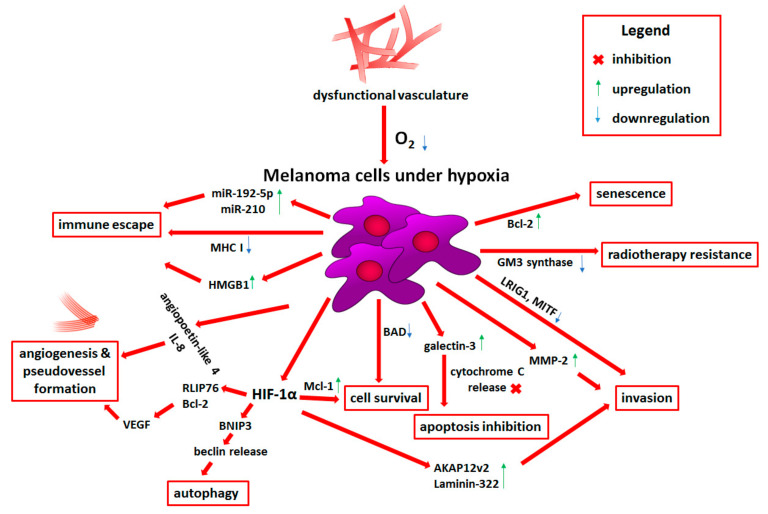
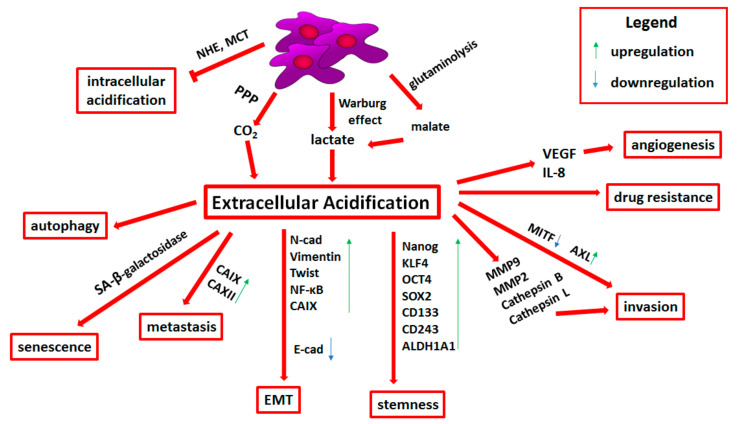
Hypoxia and elevated extracellular acidification are prevalent features of solid tumors and they are often shown to facilitate cancer progression and drug resistance. In this review, we have compiled recent and most relevant research pertaining to the role of hypoxia and acidification in melanoma growth, invasiveness, and response to therapy. Melanoma represents a highly aggressive and heterogeneous type of skin cancer. Currently employed treatments, including BRAF V600E inhibitors and immune therapy, often are not effective due to a rapidly developing drug resistance. A variety of intracellular mechanisms impeding the treatment were discovered. However, the tumor microenvironment encompassing stromal and immune cells, extracellular matrix, and physicochemical conditions such as oxygen level or acidity, may also influence the therapy effectiveness. Hypoxia and acidification are able to reprogram the metabolism of melanoma cells, enhance their survival and invasiveness, as well as promote the immunosuppressive environment. For this reason, these physicochemical features of the melanoma niche and signaling pathways related to them emerge as potential therapeutic targets.
Keywords: acidification; drug resistance; hypoxia; immune escape; invasiveness; melanoma; tumor microenvironment.
Conflict of interest statement
The authors declare no conflict of interest. The funders had no role in the design of the study; in the collection, analyses, or interpretation of data; in the writing of the manuscript, or in the decision to publish the results.
Figures
References
-
- Garbe C., Amaral T., Peris K., Hauschild A., Arenberger P., Bastholt L., Bataille V., del Marmol V., Dréno B., Fargnoli M.C., et al. European consensus-based interdisciplinary guideline for melanoma. Part 2: Treatment—Update 2019. Eur. J. Cancer. 2020;126:159–177. doi: 10.1016/j.ejca.2019.11.015. - DOI - PubMed
Publication types
MeSH terms
Substances
Grants and funding
LinkOut - more resources
Full Text Sources
Other Literature Sources
Medical
Research Materials
