


Coxsackievirus B3-Its Potential as an Oncolytic Virus
- PMID: 33919076
- PMCID: PMC8143167
- DOI: 10.3390/v13050718
Coxsackievirus B3-Its Potential as an Oncolytic Virus
Abstract
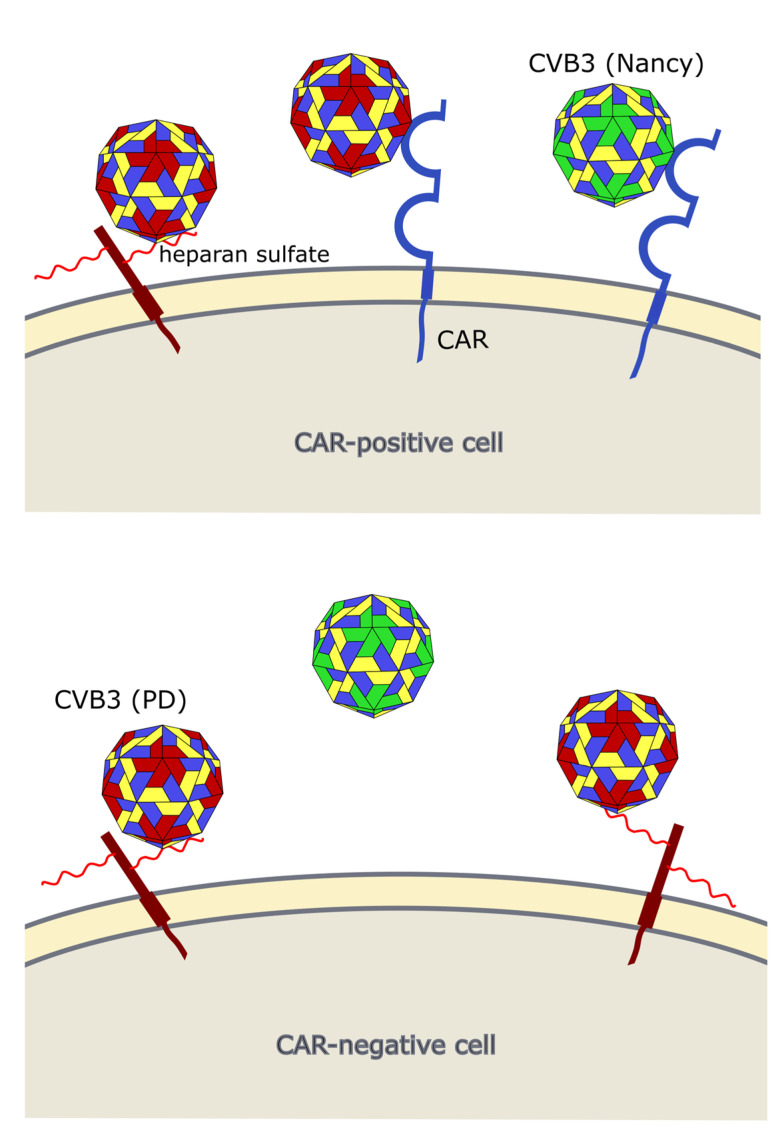
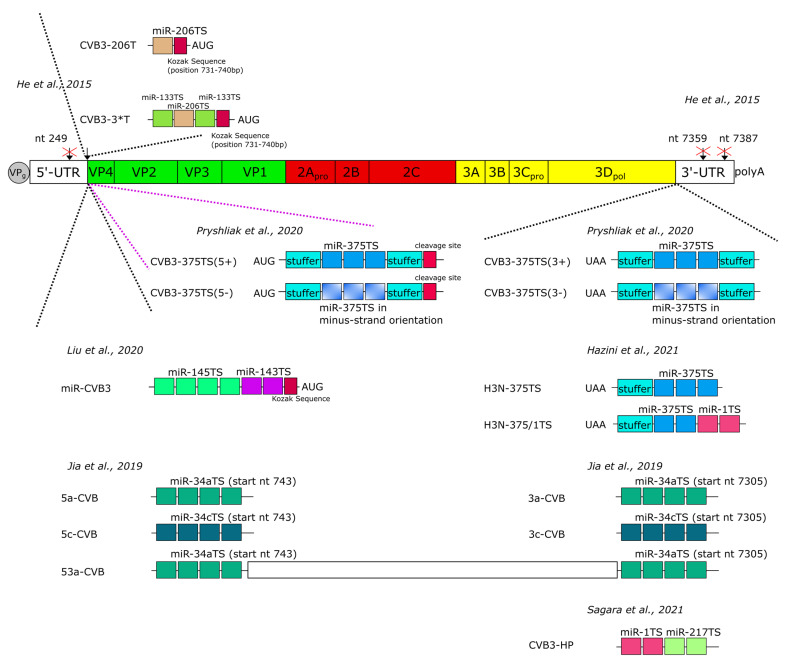
Oncolytic virotherapy represents one of the most advanced strategies to treat otherwise untreatable types of cancer. Despite encouraging developments in recent years, the limited fraction of patients responding to therapy has demonstrated the need to search for new suitable viruses. Coxsackievirus B3 (CVB3) is a promising novel candidate with particularly valuable features. Its entry receptor, the coxsackievirus and adenovirus receptor (CAR), and heparan sulfate, which is used for cellular entry by some CVB3 variants, are highly expressed on various cancer types. Consequently, CVB3 has broad anti-tumor activity, as shown in various xenograft and syngeneic mouse tumor models. In addition to direct tumor cell killing the virus induces a strong immune response against the tumor, which contributes to a substantial increase in the efficiency of the treatment. The toxicity of oncolytic CVB3 in healthy tissues is variable and depends on the virus strain. It can be abrogated by genetic engineering the virus with target sites of microRNAs. In this review, we present an overview of the current status of the development of CVB3 as an oncolytic virus and outline which steps still need to be accomplished to develop CVB3 as a therapeutic agent for clinical use in cancer treatment.
Keywords: Coxsackievirus B3; cancer; miR; microRNA; oncolytic virus; virus adaptation.
Conflict of interest statement
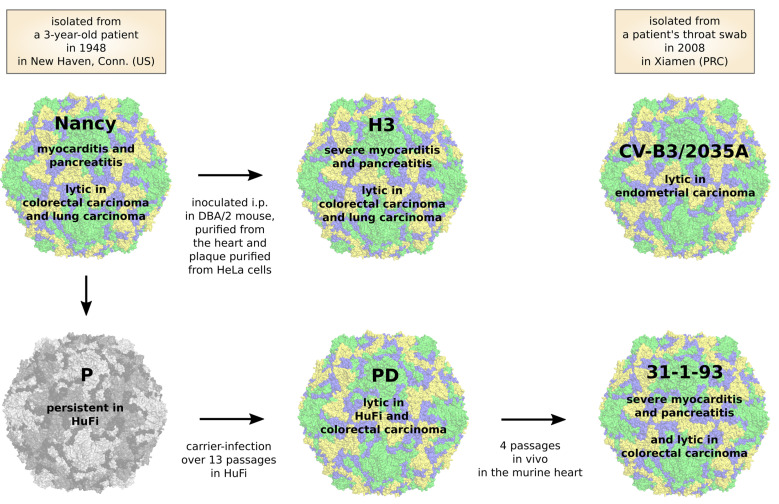
H.F. and A.H. have patented the CVB3 variant PD for use in cancer therapy and have a patent pending for treatment of cancer using miR-TS in oncolytic CVB3. All other authors declare no conflicts of interest.
Figures
References
Publication types
MeSH terms
Substances
LinkOut - more resources
Full Text Sources
Other Literature Sources
