


Microneedles: A New Generation Vaccine Delivery System
- PMID: 33919925
- PMCID: PMC8070939
- DOI: 10.3390/mi12040435
Microneedles: A New Generation Vaccine Delivery System
Abstract
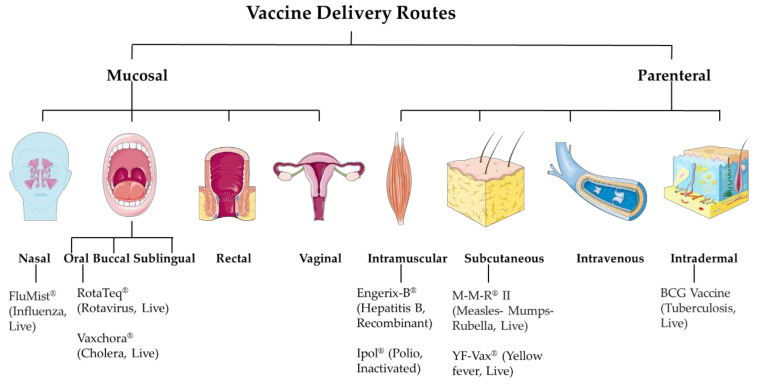
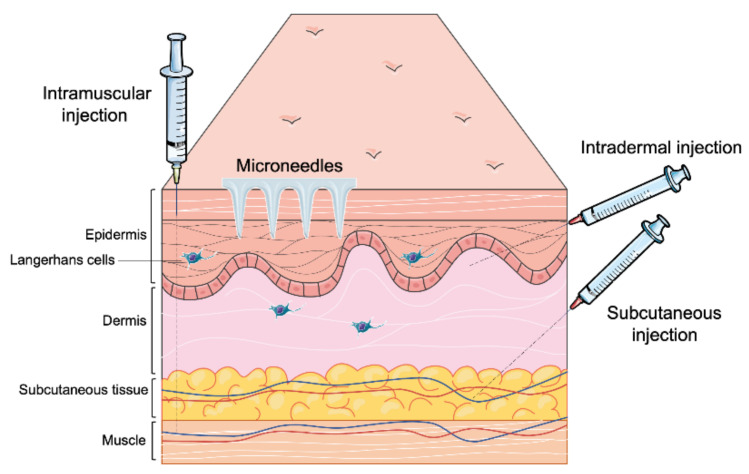
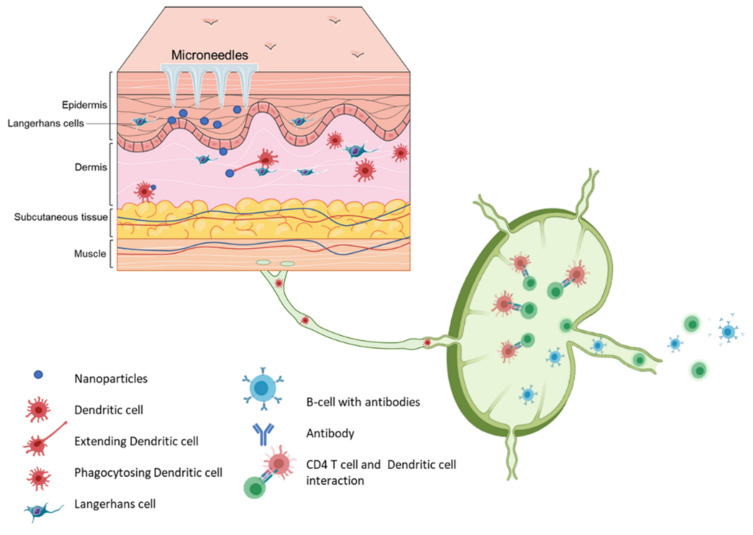
Transdermal vaccination route using biodegradable microneedles is a rapidly progressing field of research and applications. The fear of painful needles is one of the primary reasons most people avoid getting vaccinated. Therefore, developing an alternative pain-free method of vaccination using microneedles has been a significant research area. Microneedles comprise arrays of micron-sized needles that offer a pain-free method of delivering actives across the skin. Apart from being pain-free, microneedles provide various advantages over conventional vaccination routes such as intramuscular and subcutaneous. Microneedle vaccines induce a robust immune response as the needles ranging from 50 to 900 μm in length can efficiently deliver the vaccine to the epidermis and the dermis region, which contains many Langerhans and dendritic cells. The microneedle array looks like band-aid patches and offers the advantages of avoiding cold-chain storage and self-administration flexibility. The slow release of vaccine antigens is an important advantage of using microneedles. The vaccine antigens in the microneedles can be in solution or suspension form, encapsulated in nano or microparticles, and nucleic acid-based. The use of microneedles to deliver particle-based vaccines is gaining importance because of the combined advantages of particulate vaccine and pain-free immunization. The future of microneedle-based vaccines looks promising however, addressing some limitations such as dosing inadequacy, stability and sterility will lead to successful use of microneedles for vaccine delivery. This review illustrates the recent research in the field of microneedle-based vaccination.
Keywords: immune response; microneedle vaccine; microneedles; microparticles; skin vaccination; transdermal; vaccine delivery.
Conflict of interest statement
The authors declare no conflict of interest.
Figures
References
-
- Vaccine Types|NIH: National Institute of Allergy and Infectious Diseases. [(accessed on 25 January 2021)]; Available online: https://www.niaid.nih.gov/research/vaccine-types.
Publication types
LinkOut - more resources
Full Text Sources
Other Literature Sources
