


The Early Modern Silesian Gallows (15th-19th Century) as an Example of Stray Animals Utilization before the Rise of Institutional Veterinary Care
- PMID: 33922309
- PMCID: PMC8145245
- DOI: 10.3390/ani11051210
The Early Modern Silesian Gallows (15th-19th Century) as an Example of Stray Animals Utilization before the Rise of Institutional Veterinary Care
Abstract
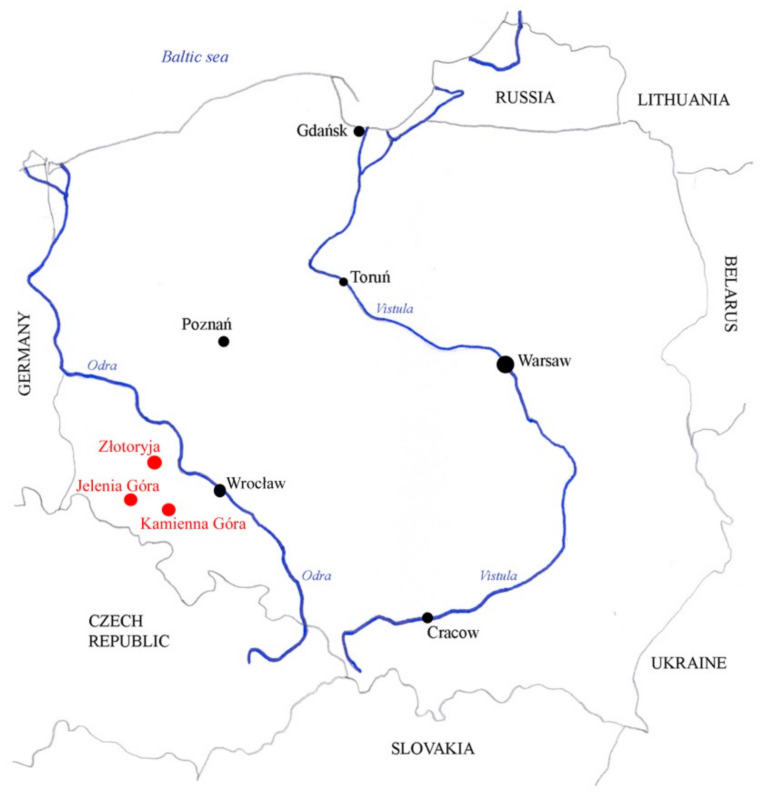
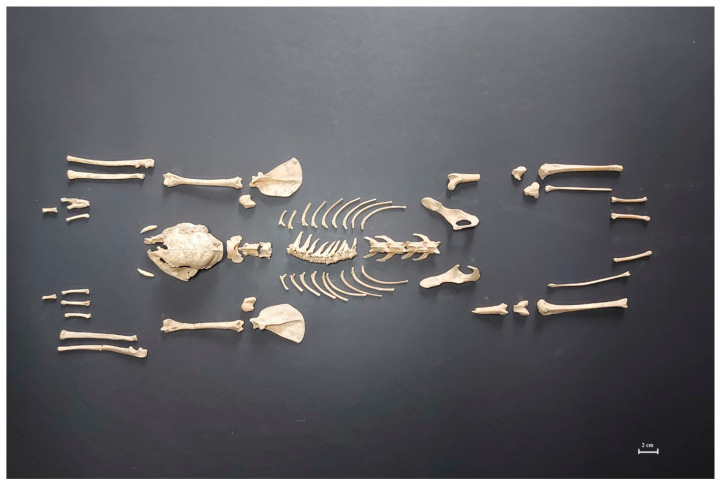
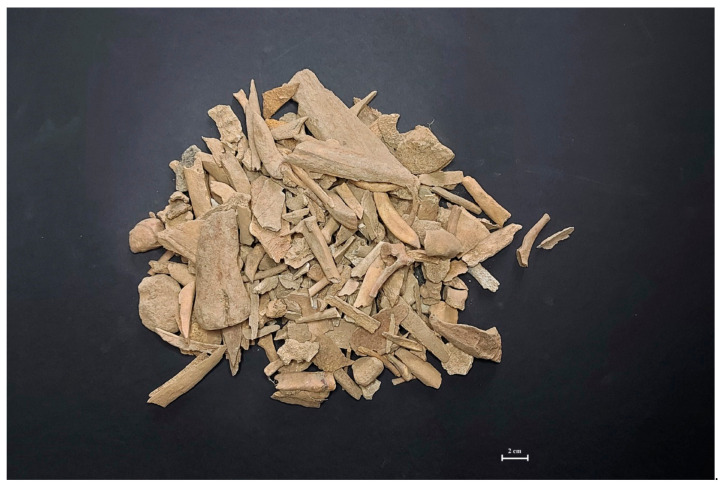
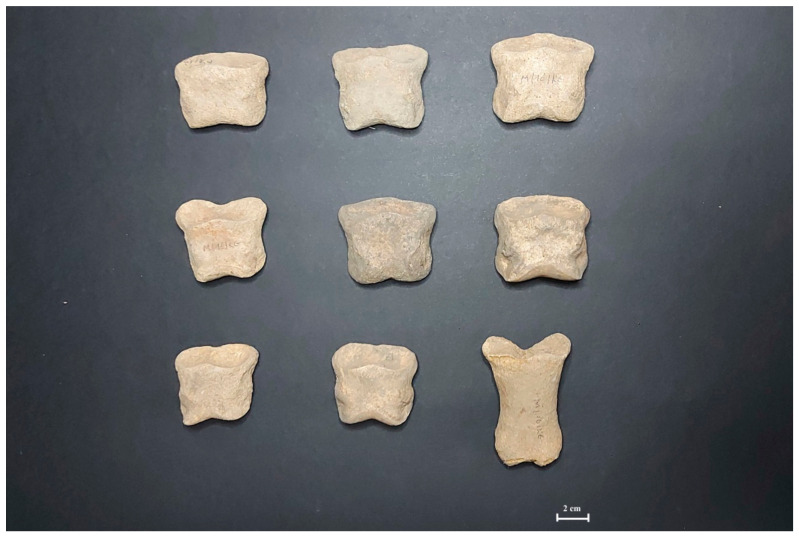
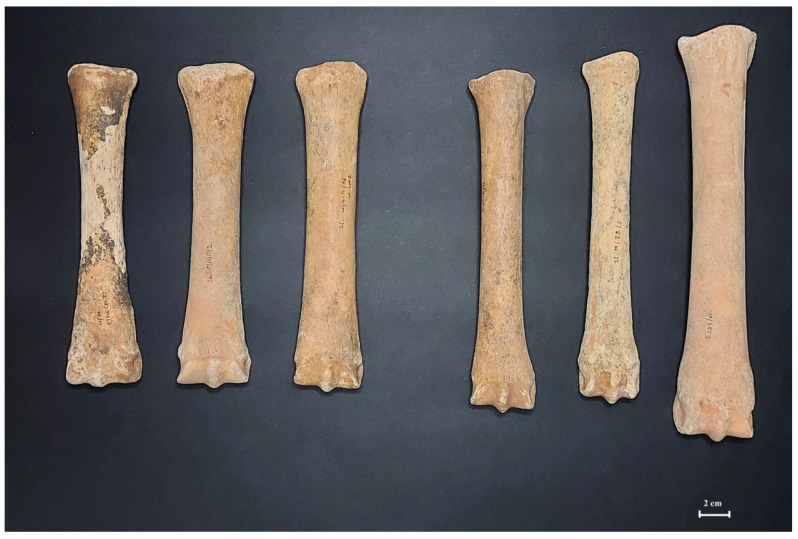
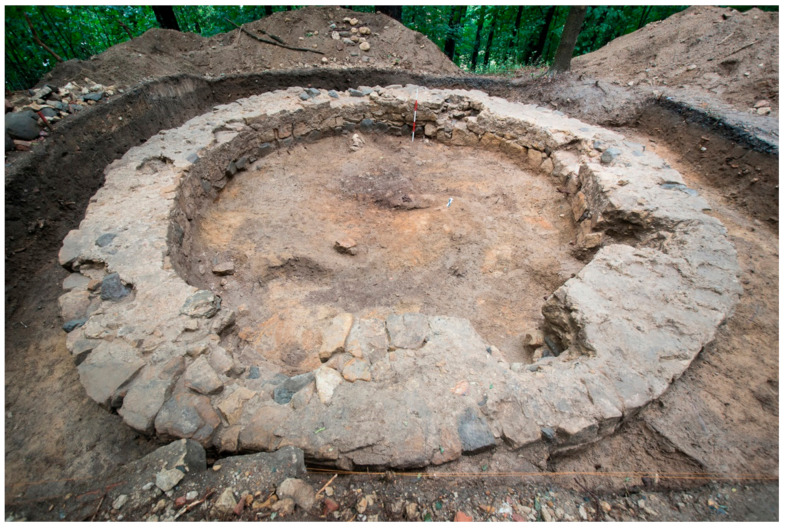
In the past, executioners played an important role in the legal system. Besides sentence executions, they also worked as dogcatchers (i.e., eliminating stray animals or cadavers of dead animals from towns), and were responsible for sanitary conditions within their towns and closest neighborhoods. Archaeological explorations of gallows in the towns of Lower Silesia (Poland) provide evidence of such activities, including animal skeletal remains. Archaeozoological analysis of these materials from the towns Kamienna Góra (Landeshut), Złotoryja (Goldberg), and Jelenia Góra (Hirschberg) are the subjects of this study. Our work also stresses the nature of the executioner's profession in animal health control and town hygiene maintenance before the development of modern veterinary services. The results show significant differences in the frequency of species and distribution of anatomical elements in accessible assemblages compared with animal skeletal remains unearthed in typical waste pits or classical inhumation, allowing the assumption that the animals were anatomically adults, and their health statuses were generally good. The dominant species, equids and dogs, were represented by skeletal remains, with the predominance of less valuable body parts (distal parts of appendices, caudal parts of the vertebral column). The fragmentation of accessible bone assemblages narrows the ability of larger conclusions (i.e., minimum number of individual estimations). The work enlightens the complex role of executioners pertaining to the hygiene of early modern town communities, a role later replaced by professional veterinarians with all of the consequences of the transition process.
Keywords: animal; dogcatcher; gallows; knackers’ yards; utilization; waste pits.
Conflict of interest statement
The authors declare no conflict of interest related to this study.
Figures
References
-
- Serjeantson D. Survey of animal remains from southern Britain finds no evidence for continuity from the Mesolithic period. Environ. Archaeol. 2014;19:256–262. doi: 10.1179/1749631414Y.0000000020. - DOI
-
- Overton N.J., Taylot B. Humans in the Environment: Plants, Animals and Landscapes in Mesolithic Britain and Ireland. J. World Prehist. 2018;31:385–402. doi: 10.1007/s10963-018-9116-0. - DOI
-
- Bökönyi S. History of Domestic Mammals in Central and Eastern Europe. 1st ed. Akadémiai Kiadó; Budapest, Hungary: 1974.
-
- Marciniak A. Placing Animals in the Neolith—Social Zooarchaeology of Prehistoric Farming Communities. 1st ed. UCL Press; London, UK: 2005.
-
- Krupska A., Chrzanowska W., Chrószcz A. Badania archeozoologiczne nad neolitycznymi szczątkami kostnymi z Polwicy i Skrzypnika. In: Gediga B., editor. Archeologiczne Zeszyty Autostradowe (8), Badania na Autostradzie A4, cz. 6. Volume 1. Instytut Archeologii i Etnologii PAN Wrocław; Wrocław, Poland: 2009. pp. 153–176.
LinkOut - more resources
Full Text Sources
Miscellaneous
