


Is a Mask That Covers the Mouth and Nose Free from Undesirable Side Effects in Everyday Use and Free of Potential Hazards?
- PMID: 33923935
- PMCID: PMC8072811
- DOI: 10.3390/ijerph18084344
Is a Mask That Covers the Mouth and Nose Free from Undesirable Side Effects in Everyday Use and Free of Potential Hazards?
Abstract
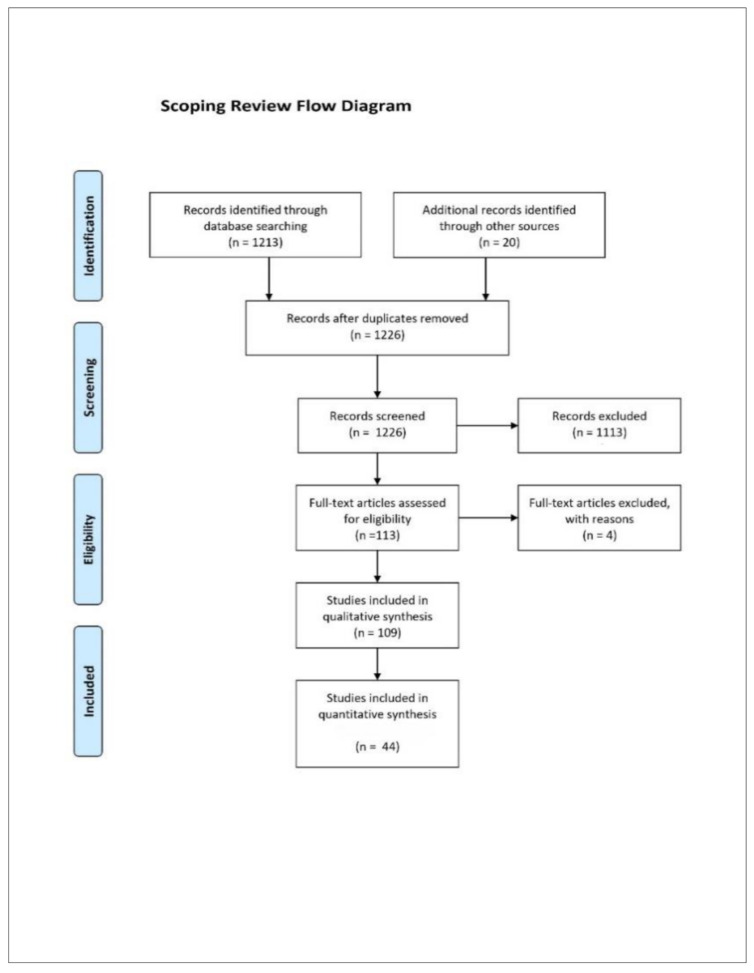
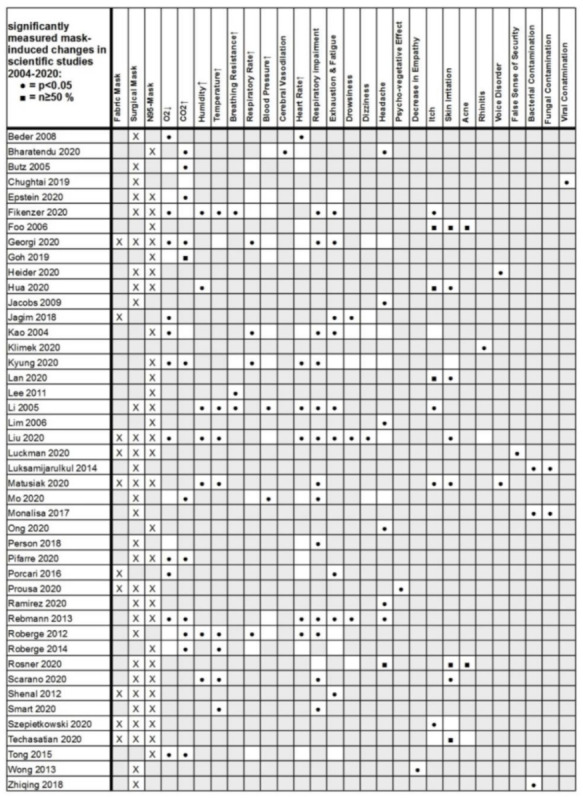
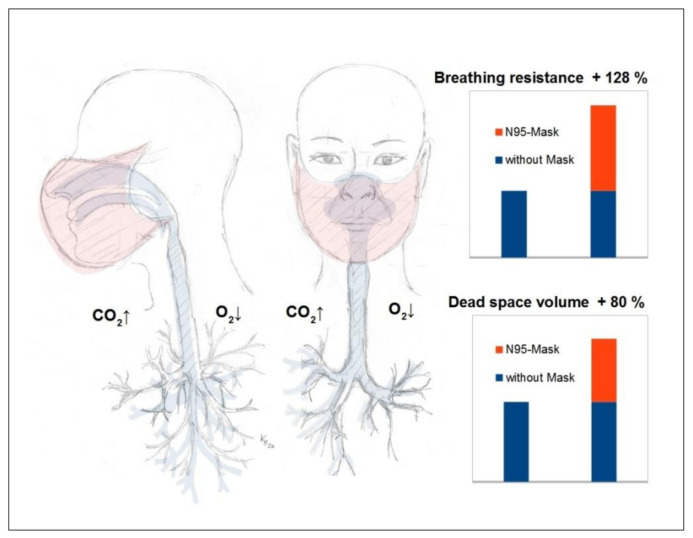
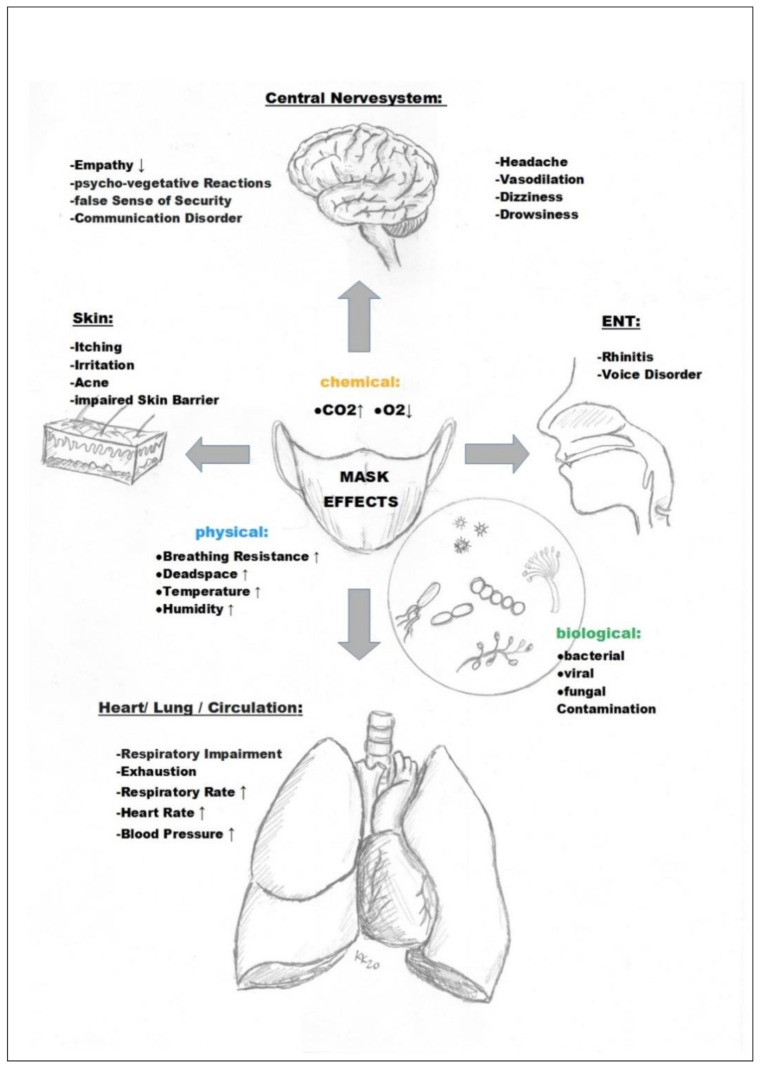
Many countries introduced the requirement to wear masks in public spaces for containing SARS-CoV-2 making it commonplace in 2020. Up until now, there has been no comprehensive investigation as to the adverse health effects masks can cause. The aim was to find, test, evaluate and compile scientifically proven related side effects of wearing masks. For a quantitative evaluation, 44 mostly experimental studies were referenced, and for a substantive evaluation, 65 publications were found. The literature revealed relevant adverse effects of masks in numerous disciplines. In this paper, we refer to the psychological and physical deterioration as well as multiple symptoms described because of their consistent, recurrent and uniform presentation from different disciplines as a Mask-Induced Exhaustion Syndrome (MIES). We objectified evaluation evidenced changes in respiratory physiology of mask wearers with significant correlation of O2 drop and fatigue (p < 0.05), a clustered co-occurrence of respiratory impairment and O2 drop (67%), N95 mask and CO2 rise (82%), N95 mask and O2 drop (72%), N95 mask and headache (60%), respiratory impairment and temperature rise (88%), but also temperature rise and moisture (100%) under the masks. Extended mask-wearing by the general population could lead to relevant effects and consequences in many medical fields.
Keywords: MIES syndrome; N95 face mask; adverse effects; contraindications; dyspnea; headache; health risk assessment; hypercapnia; hypoxia; long-term adverse effects; masks; personal protective equipment; physical exertion; risk; surgical mask.
Conflict of interest statement
The authors declare no conflict of interest.
Figures
References
-
- World Health Organization . WHO-Advice on the Use of Masks in the Context of COVID-19: Interim Guidance, 6 April 2020. World Health Organization; Geneva, Switzerland: 2020. [(accessed on 7 November 2020)]. Available online: https://apps.who.int/iris/handle/10665/331693.
-
- World Health Organization . WHO-Advice on the Use of Masks in the Context of COVID-19: Interim Guidance, 5 June 2020. World Health Organization; Geneva, Switzerland: 2020. [(accessed on 7 November 2020)]. Available online: https://apps.who.int/iris/handle/10665/332293.
-
- Chu D.K., Akl E.A., Duda S., Solo K., Yaacoub S., Schünemann H.J., Chu D.K., Akl E.A., El-harakeh A., Bognanni A., et al. Physical Distancing, Face Masks, and Eye Protection to Prevent Person-to-Person Transmission of SARS-CoV-2 and COVID-19: A Systematic Review and Meta-Analysis. Lancet. 2020;395:1973–1987. doi: 10.1016/S0140-6736(20)31142-9. - DOI - PMC - PubMed
-
- Jefferson T., Jones M., Ansari L.A.A., Bawazeer G., Beller E., Clark J., Conly J., Mar C.D., Dooley E., Ferroni E., et al. Physical Interventions to Interrupt or Reduce the Spread of Respiratory Viruses. Part 1-Face Masks, Eye Protection and Person Distancing: Systematic Review and Meta-Analysis. medRxiv. 2020 doi: 10.1101/2020.03.30.20047217. - DOI
-
- Kappstein I. Mund-Nasen-Schutz in der Öffentlichkeit: Keine Hinweise für eine Wirksamkeit. Krankenh. Up2date. 2020;15:279–295. doi: 10.1055/a-1174-6591. - DOI
Publication types
MeSH terms
LinkOut - more resources
Full Text Sources
Other Literature Sources
Medical
Miscellaneous
