


Trauma-induced coagulopathy
- PMID: 33927200
- PMCID: PMC9107773
- DOI: 10.1038/s41572-021-00264-3
Trauma-induced coagulopathy
Erratum in
-
Author Correction: Trauma-induced coagulopathy.Nat Rev Dis Primers. 2022 Apr 22;8(1):25. doi: 10.1038/s41572-022-00360-y. Nat Rev Dis Primers. 2022. PMID: 35459275 Free PMC article. No abstract available.
Abstract
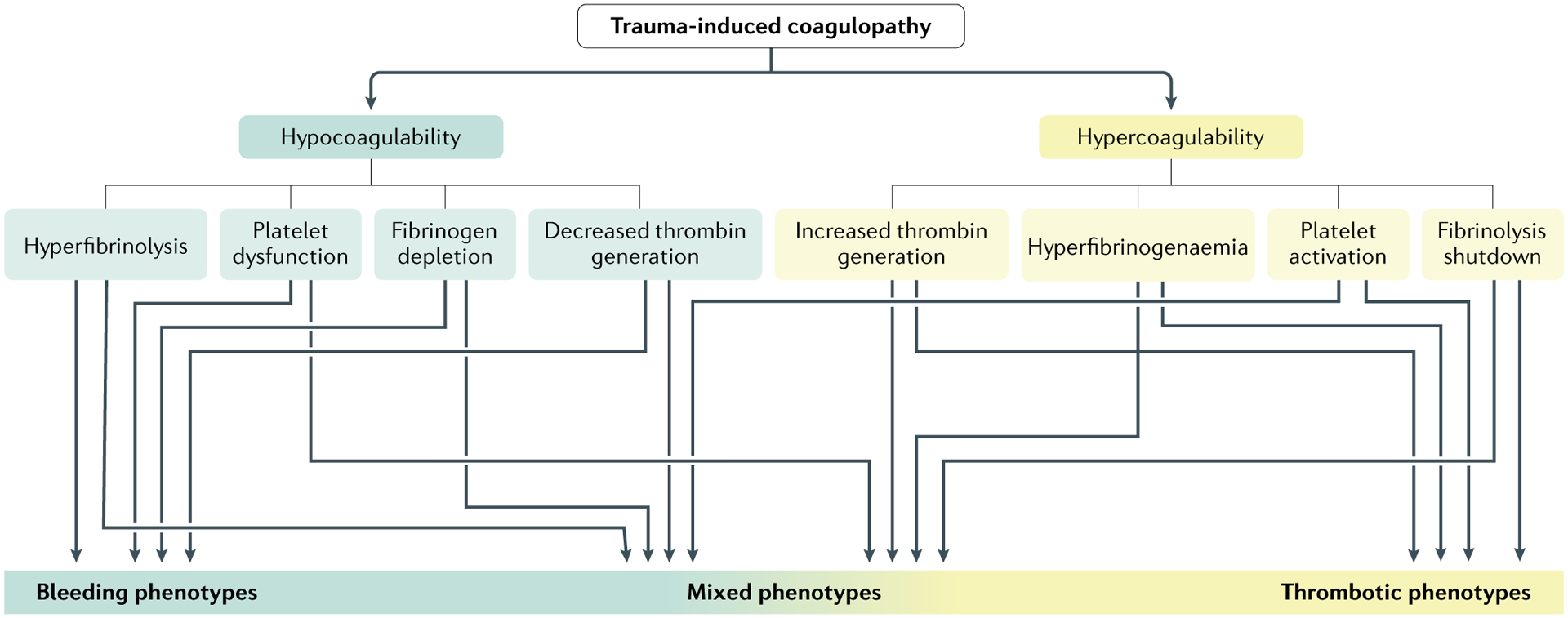
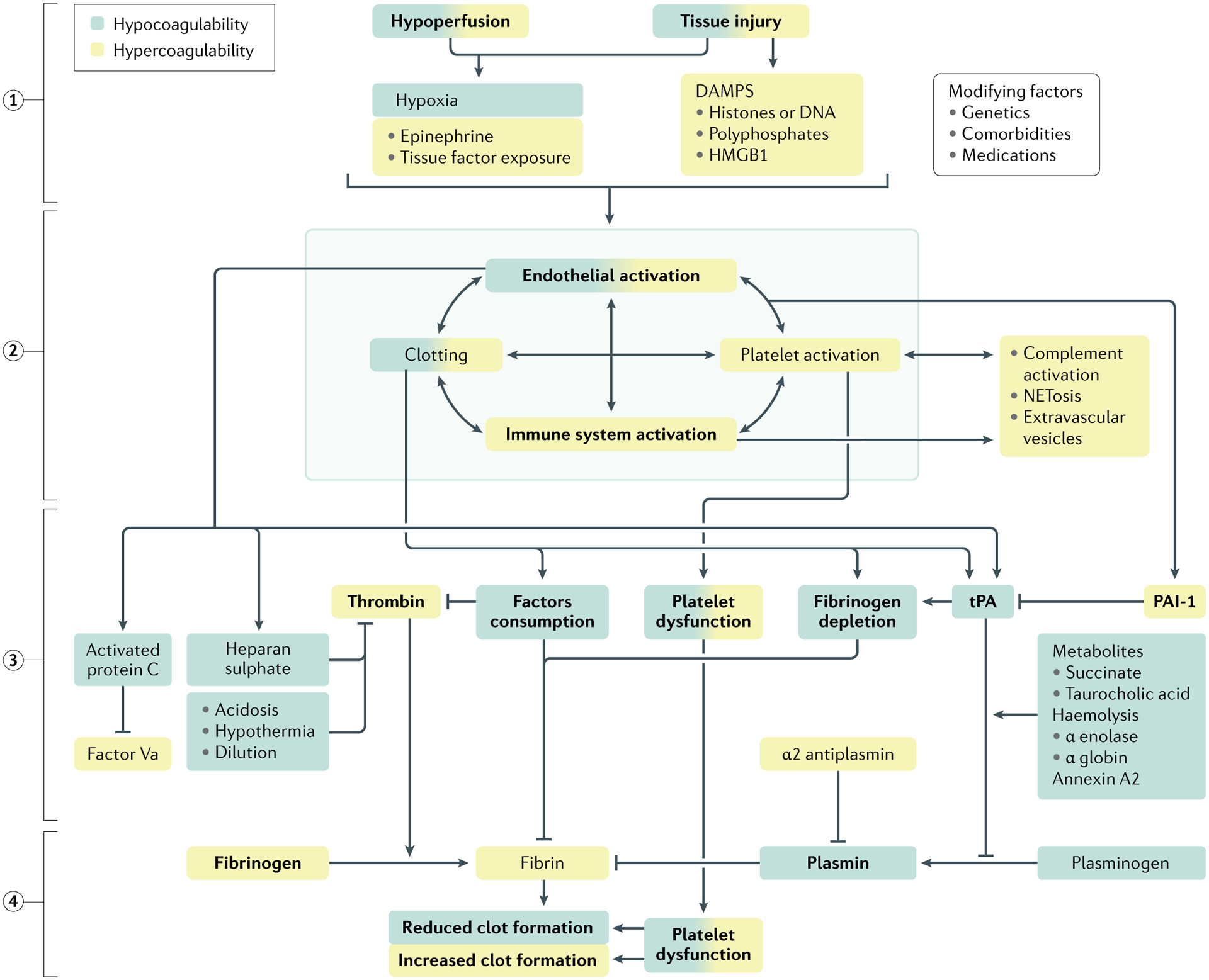
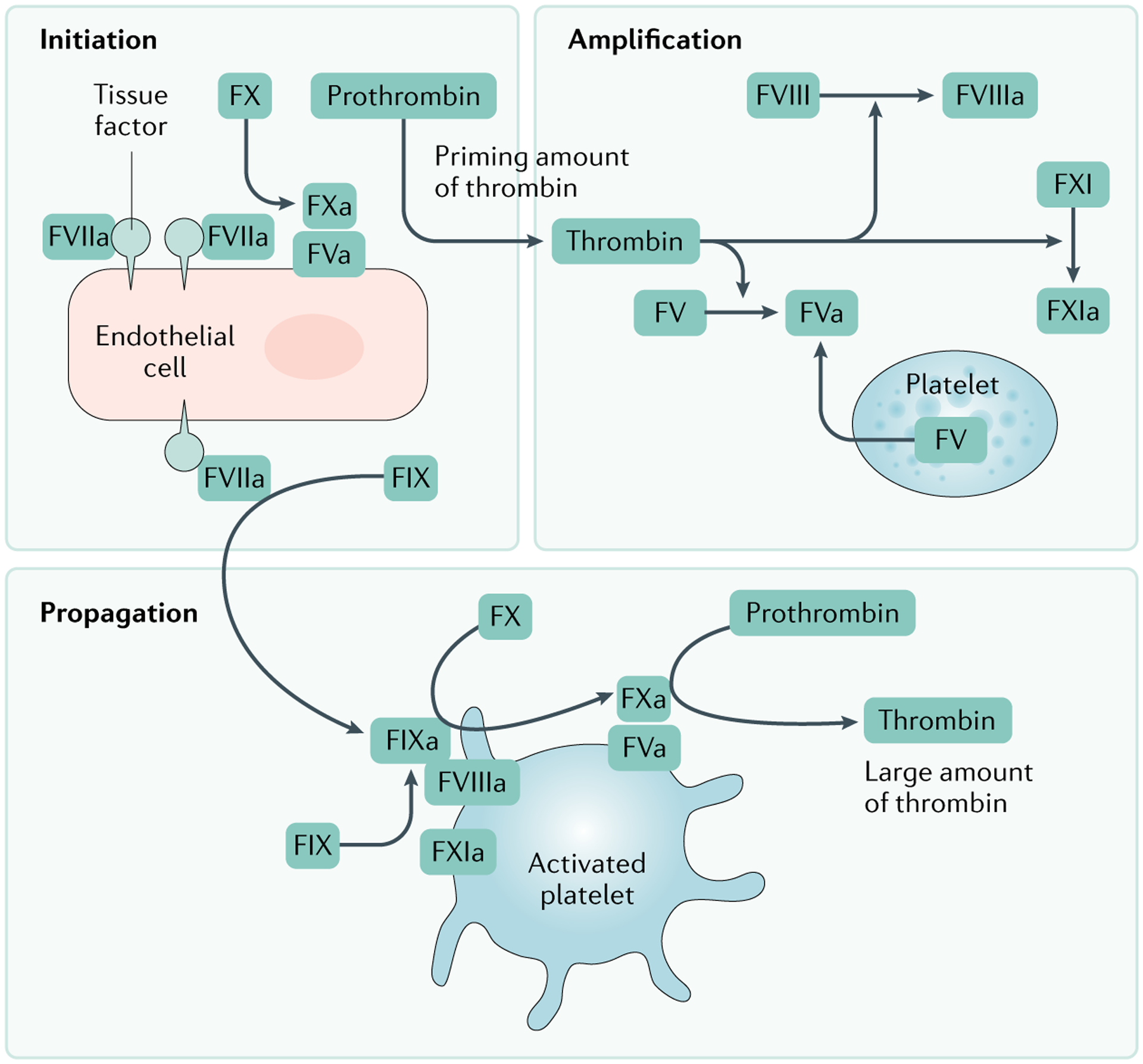
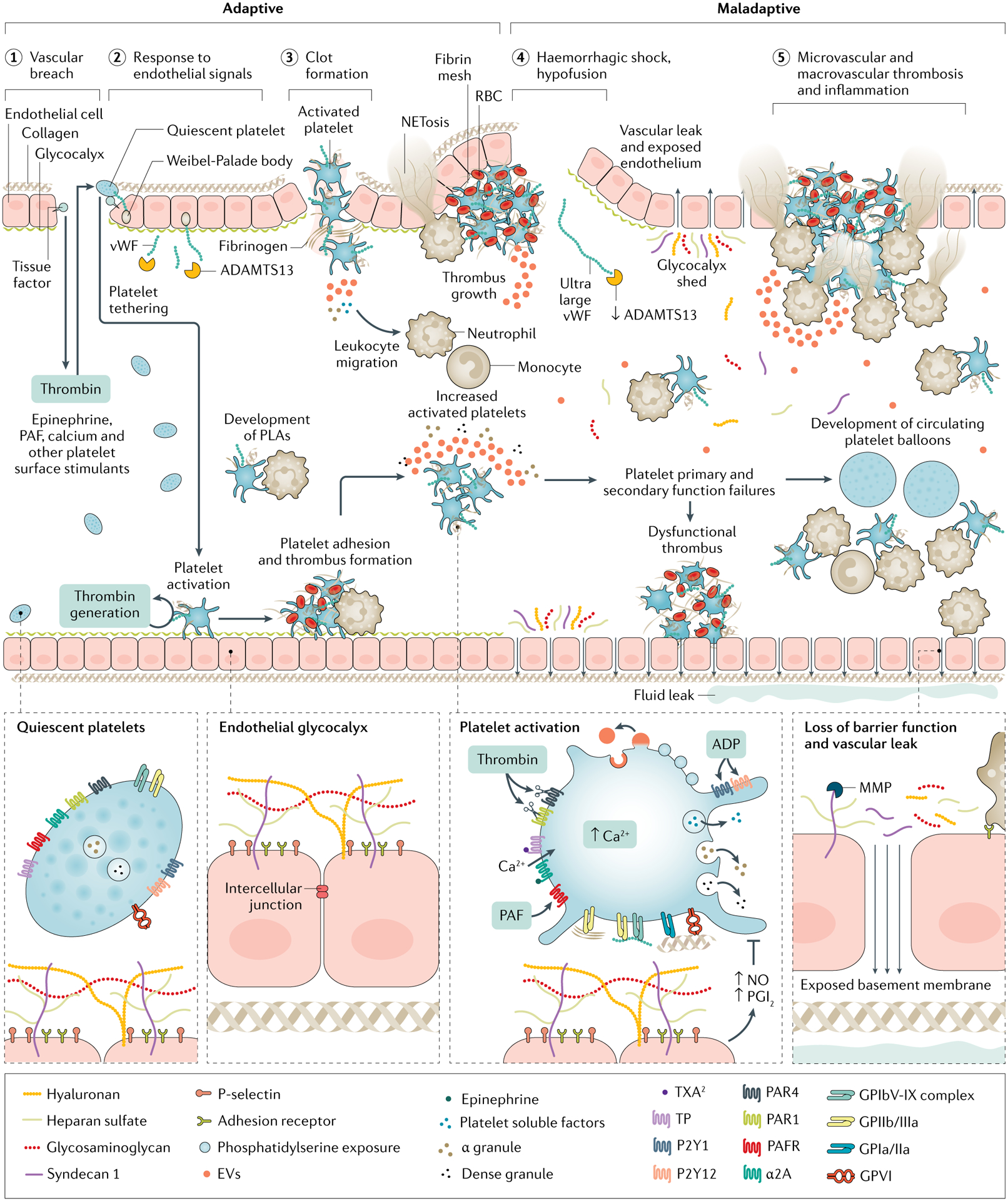
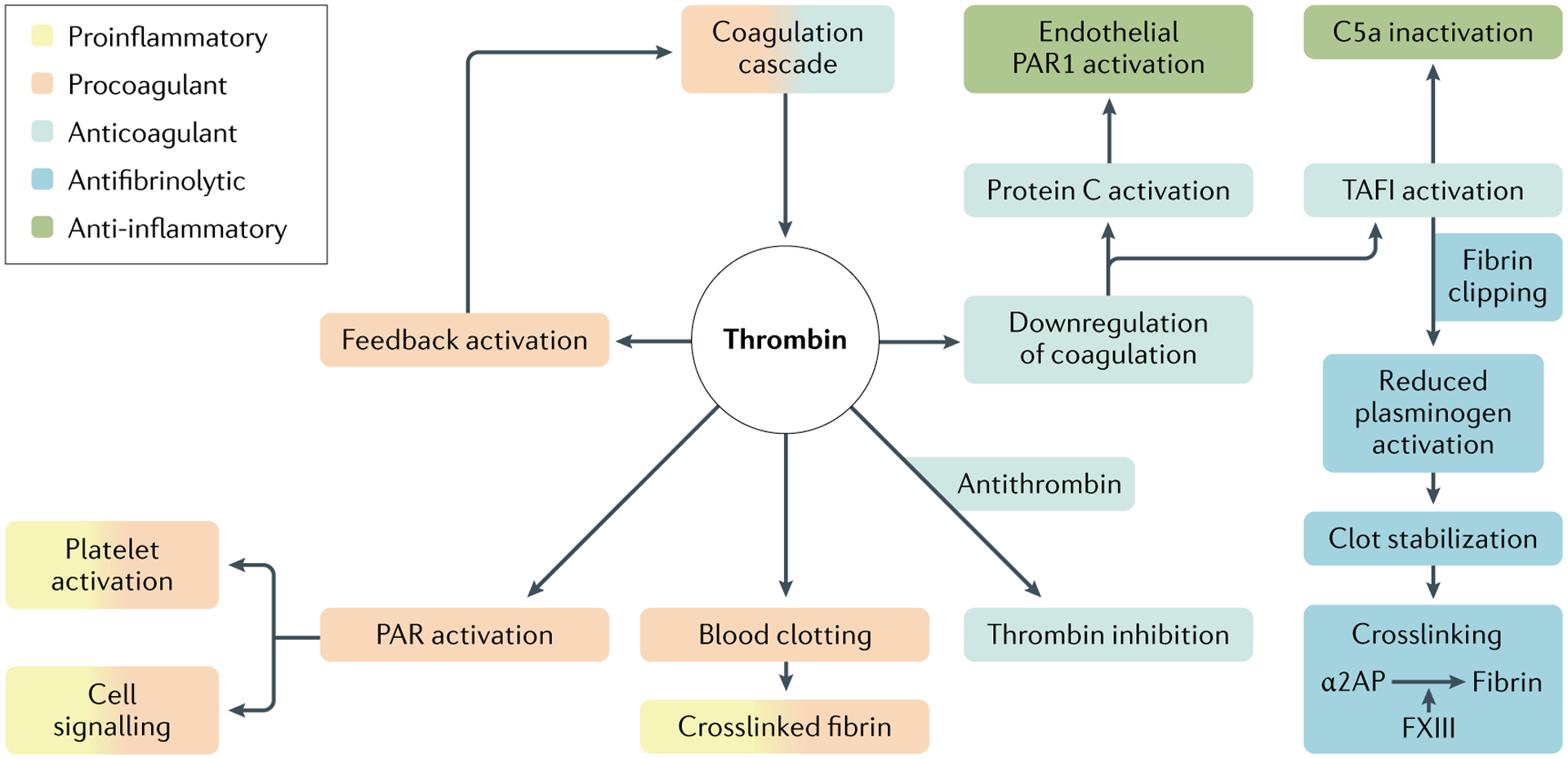
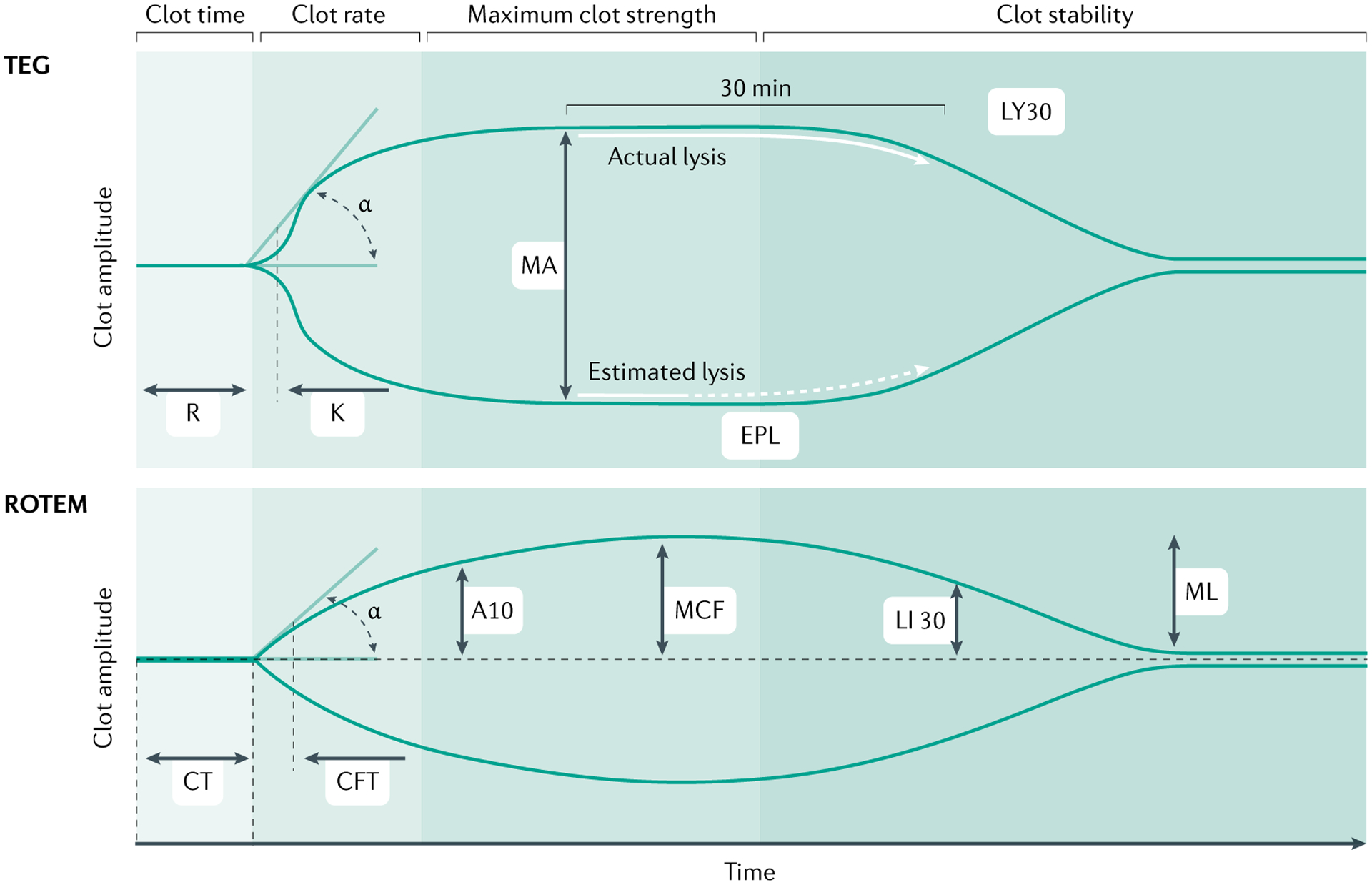
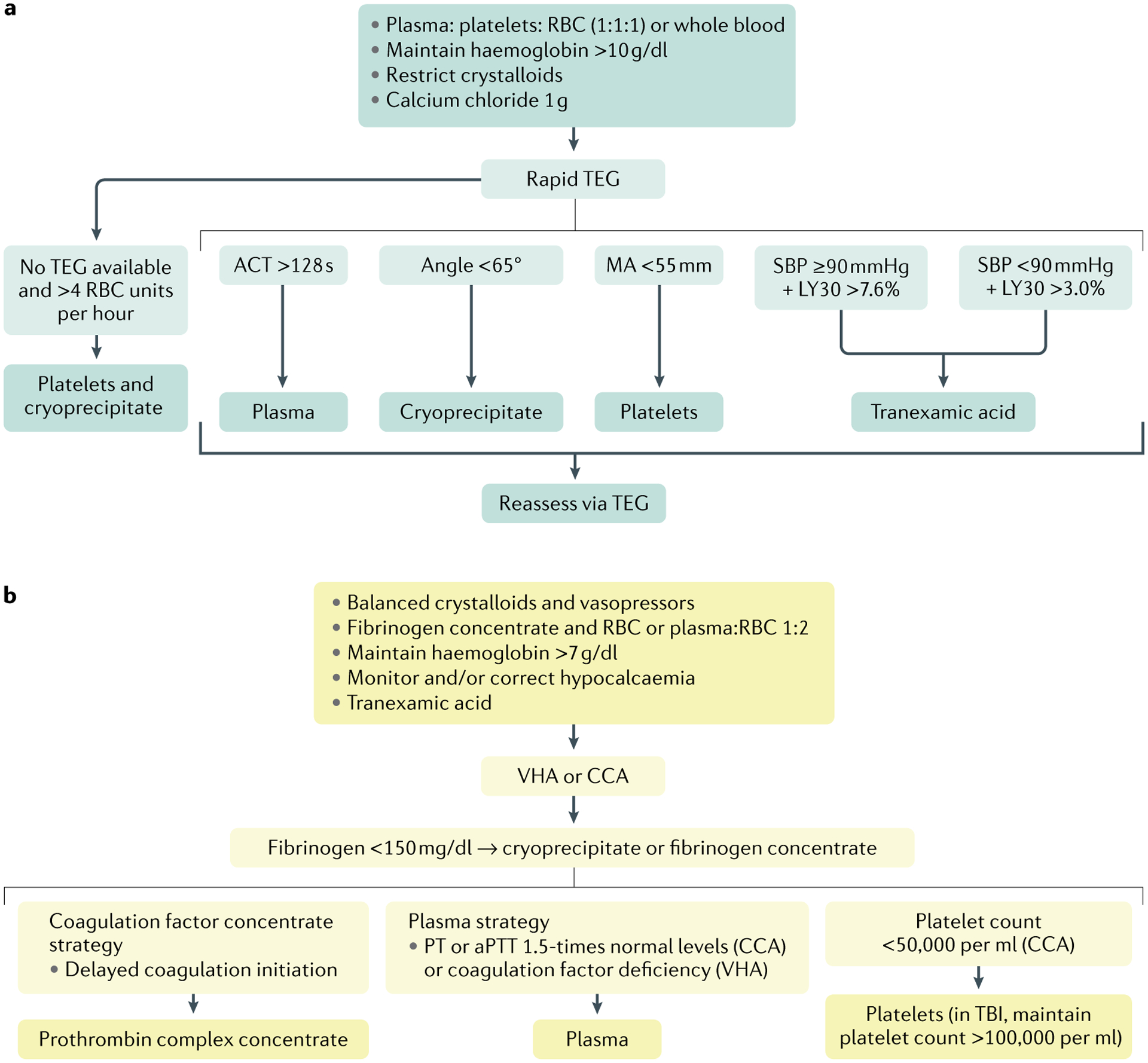
Uncontrolled haemorrhage is a major preventable cause of death in patients with traumatic injury. Trauma-induced coagulopathy (TIC) describes abnormal coagulation processes that are attributable to trauma. In the early hours of TIC development, hypocoagulability is typically present, resulting in bleeding, whereas later TIC is characterized by a hypercoagulable state associated with venous thromboembolism and multiple organ failure. Several pathophysiological mechanisms underlie TIC; tissue injury and shock synergistically provoke endothelial, immune system, platelet and clotting activation, which are accentuated by the 'lethal triad' (coagulopathy, hypothermia and acidosis). Traumatic brain injury also has a distinct role in TIC. Haemostatic abnormalities include fibrinogen depletion, inadequate thrombin generation, impaired platelet function and dysregulated fibrinolysis. Laboratory diagnosis is based on coagulation abnormalities detected by conventional or viscoelastic haemostatic assays; however, it does not always match the clinical condition. Management priorities are stopping blood loss and reversing shock by restoring circulating blood volume, to prevent or reduce the risk of worsening TIC. Various blood products can be used in resuscitation; however, there is no international agreement on the optimal composition of transfusion components. Tranexamic acid is used in pre-hospital settings selectively in the USA and more widely in Europe and other locations. Survivors of TIC experience high rates of morbidity, which affects short-term and long-term quality of life and functional outcome.
Figures
Comment in
-
The role of tranexamic acid in trauma - a life-saving drug with proven benefit.Nat Rev Dis Primers. 2022 May 26;8(1):34. doi: 10.1038/s41572-022-00367-5. Nat Rev Dis Primers. 2022. PMID: 35618733 No abstract available.
-
Reply to 'The role of tranexamic acid in trauma - a life-saving drug with proven benefit'.Nat Rev Dis Primers. 2022 May 26;8(1):35. doi: 10.1038/s41572-022-00368-4. Nat Rev Dis Primers. 2022. PMID: 35618800 No abstract available.
References
-
- World Health Organization. Global Health Estimates 2016: Deaths by Cause, Age, Sex, by Country and by Region, 2000–2016 (WHO, 2018).
-
- Eastridge BJ et al. Death on the battlefield (2001–2011): implications for the future of combat casualty care. J. Trauma Acute Care Surg 73, S431–S437 (2012). - PubMed
-
- Moore HB et al. Plasma-first resuscitation to treat haemorrhagic shock during emergency ground transportation in an urban area: a randomised trial. Lancet 392, 283–291 (2018). - PMC - PubMed
-
This randomized controlled trial shows that pre-hospital plasma in a ground ambulance system does not improve survival in seriously injured patients.
Publication types
MeSH terms
Grants and funding
- RM1 GM131968/GM/NIGMS NIH HHS/United States
- T32 GM008315/GM/NIGMS NIH HHS/United States
- PG/07/122/24195/BHF_/British Heart Foundation/United Kingdom
- P50 GM049222/GM/NIGMS NIH HHS/United States
- U54 GM062119/GM/NIGMS NIH HHS/United States
- PG/20/17/35050/BHF_/British Heart Foundation/United Kingdom
- PG/11/1/28461/BHF_/British Heart Foundation/United Kingdom
- FS/11/2/28579/BHF_/British Heart Foundation/United Kingdom
- K99 HL151887/HL/NHLBI NIH HHS/United States
- UM1 HL120877/HL/NHLBI NIH HHS/United States
- R35 GM119526/GM/NIGMS NIH HHS/United States
- K23 GM130892/GM/NIGMS NIH HHS/United States
- PG/15/82/31721/BHF_/British Heart Foundation/United Kingdom
- R01 HL141080/HL/NHLBI NIH HHS/United States
LinkOut - more resources
Full Text Sources
Other Literature Sources
Medical
