Review
. 2022 Jul;289(14):4251-4303.
doi: 10.1111/febs.15909. Epub 2021 Jun 1.

Recent advances on smart glycoconjugate vaccines in infections and cancer

Affiliations
Review

Recent advances on smart glycoconjugate vaccines in infections and cancer

Marko Anderluh et al. FEBS J. 2022 Jul.

Abstract

Vaccination is one of the greatest achievements in biomedical research preventing death and morbidity in many infectious diseases through the induction of pathogen-specific humoral and cellular immune responses. Currently, no effective vaccines are available for pathogens with a highly variable antigenic load, such as the human immunodeficiency virus or to induce cellular T-cell immunity in the fight against cancer. The recent SARS-CoV-2 outbreak has reinforced the relevance of designing smart therapeutic vaccine modalities to ensure public health. Indeed, academic and private companies have ongoing joint efforts to develop novel vaccine prototypes for this virus. Many pathogens are covered by a dense glycan-coat, which form an attractive target for vaccine development. Moreover, many tumor types are characterized by altered glycosylation profiles that are known as "tumor-associated carbohydrate antigens". Unfortunately, glycans do not provoke a vigorous immune response and generally serve as T-cell-independent antigens, not eliciting protective immunoglobulin G responses nor inducing immunological memory. A close and continuous crosstalk between glycochemists and glycoimmunologists is essential for the successful development of efficient immune modulators. It is clear that this is a key point for the discovery of novel approaches, which could significantly improve our understanding of the immune system. In this review, we discuss the latest advancements in development of vaccines against glycan epitopes to gain selective immune responses and to provide an overview on the role of different immunogenic constructs in improving glycovaccine efficacy.

Keywords: cancer; glycosylation; immune system; infection; vaccination.


Conflict of interest statement

The authors declare no conflict of interest.

Figures
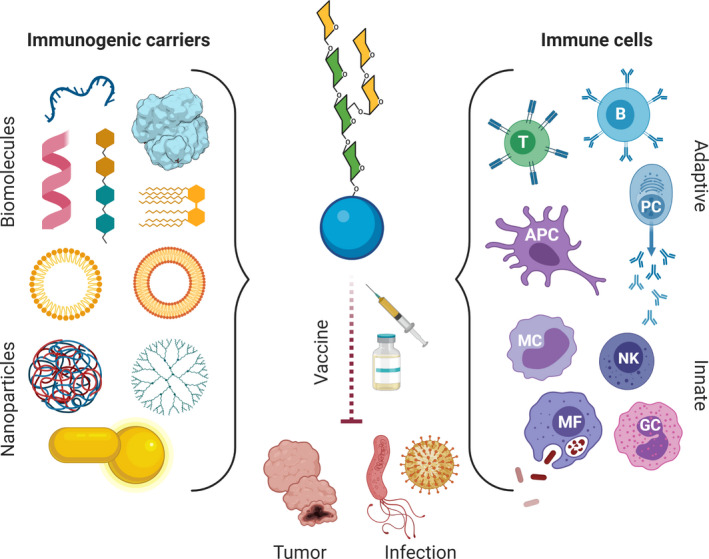
Fig. 1
Fig. 1
Glycoconjugate vaccines for the modulation of innate and adaptive immune responses toward different pathogens and cancer. Conjugation of glycan epitopes (represented here by general N‐glycan as an example of an oligosaccharide structures) to suitable carriers ranging from proteins, peptides, oligonucleotides, dendrimers, liposomes, and glycolipids, to ZPS and, more recently, NPs, represents the main strategy currently being exploited for development of vaccines against pathogens and tumors. They have been developed to ensure the proper activation of specific parts of the immune system, such as effector B/T cells, NK cells, macrophages, and in general APCs.
Fig. 2
Fig. 2
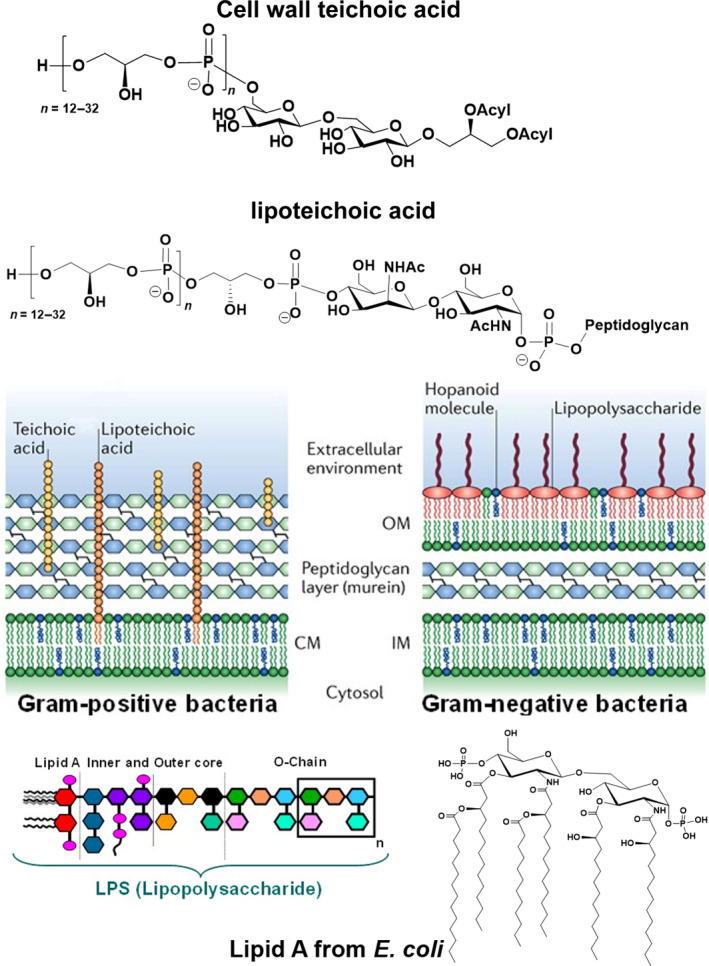
Gram‐positive and Gram‐negative cell envelope and structure of the main cell wall components. Figure reprinted from Ref. [333]. Copyright 2018, Springer Nature.
Fig. 3
Fig. 3
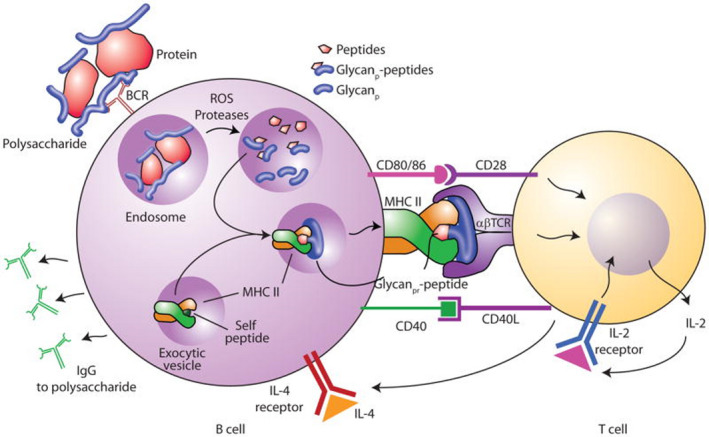
Schematic representation of the proposed mechanism of T‐cell activation by glycoconjugate vaccines. In general, unconjugated polysaccharides only evoke short‐term Ab responses, mainly of the IgM type, which does not result in long‐lasting B‐cell memory responses. Coupling of polysaccharides to protein carriers, switches the immune reaction from T‐cell‐independent to a T‐cell‐dependent response, now culminating in a high‐affinity Ab response and long‐term B‐cell memory. Steps related to antigen processing and presentation of glycoconjugate vaccines which result in helper CD4+ T‐cell induction of B‐cell production of IgG mAbs against the polysaccharide have been depicted. Figure reproduced from Ref. [72].
Fig. 4
Fig. 4
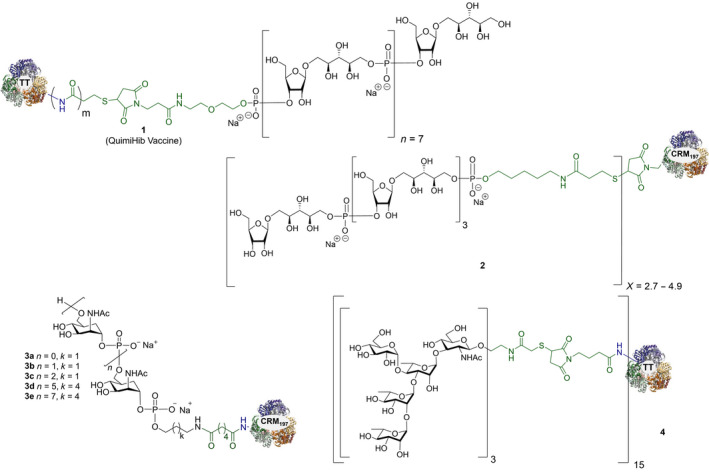
Structures of glycoconjugate vaccine containing carrier proteins: 1 commercially available Haemophilusinfluenzae type b vaccine (QuimiHib); [87] 2 synthetic glycoconjugate containing the CPS antigen (PRP) of H. influenzae type b; [91] 3 synthetic glycoconjugates containing carbocyclic analogues of MenA CPS; 4 synthetic glycoconjugates containing the repeating unit of the O‐antigen of Shigellaflexneri [95]. The carbohydrate epitopes are reported in black and the linker/spacer in green.
Fig. 5
Fig. 5
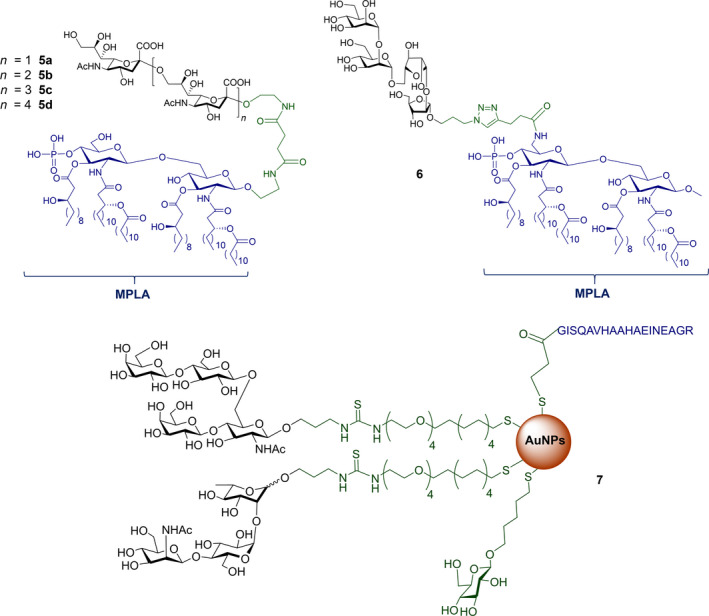
Structures of: 5 synthetic glycoconjugates containing the repeating unit of CPS of serotype C of Neisseria meningitidis; [142] 6 synthetic glycoconjugate containing the tetrasaccharide of mycobacterial LAM; [134, 135] 7 synthetic glyco‐nanoconstruct containing carbohydrate epitopes of CPS from serotype 14 and serotype 19F of Streptococcuspneumoniae [143]. The carbohydrate epitopes are reported in black, the immunogenic carriers in blue, the linker/spacer in green.
Fig. 6
Fig. 6
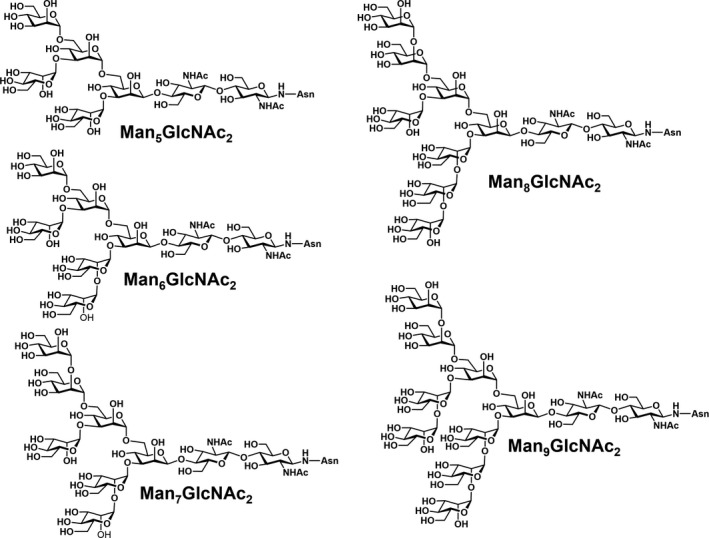
High‐mannose structures found in HIV gp120. Adapted from [334].
Fig. 7
Fig. 7
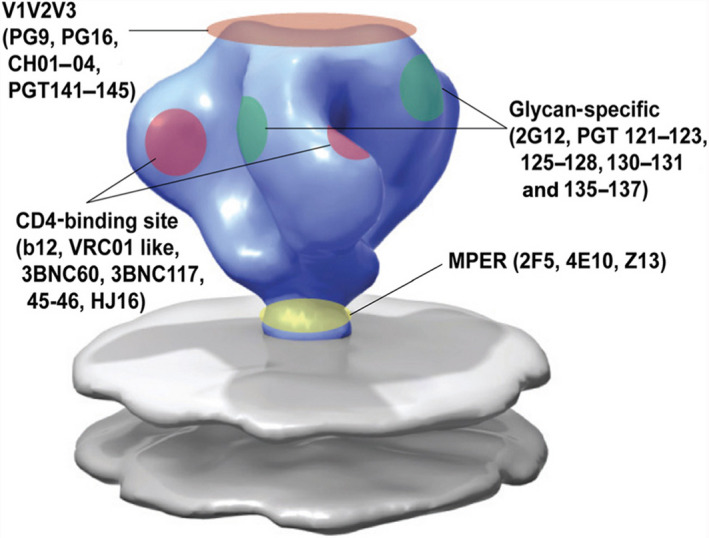
Epitope specificity of known bNAbs to HIV‐1 envelope. Figure reproduced from Refs. [335, 336].
Fig. 8
Fig. 8
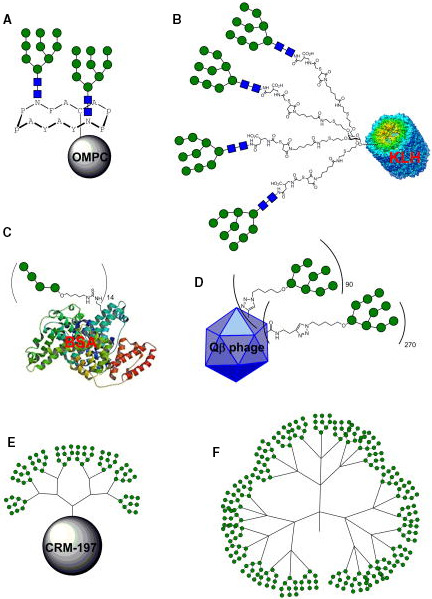
Multivalent high‐mannose glycan clusters. Specifically: (A) Cyclic peptide bearing two Man9GlcNAc2 glycans, conjugated to outer membrane protein complex (OMPC) of Neisseria meningitidis. (B) Tetravalent Man9GlcNAc2 conjugated through a flexible linker to KLH protein. (C) Man4 tetrasaccharide conjugated to BSA protein. (D) Heteromultivalent clustering of Man8 or Man9 on Qβ phage particles. (E) PAMAM8‐Man9 dendrimers conjugated to CRM‐197 protein. (F) Highly multivalent Man9 dendrimers. Figure reproduced from Ref. [166]. Copyright 2014, Springer Nature.
Fig. 9
Fig. 9
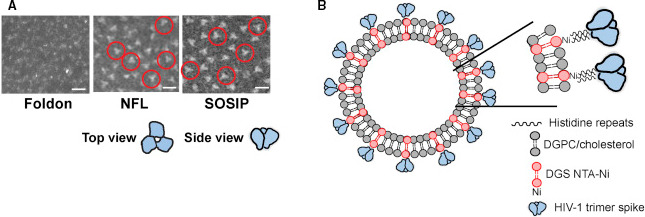
Structural view of the HIV Trimers. (A) EM micrographs of JRFL gp140‐foldon oligomers, JRFL NFL, and JRFL SOSIP trimers. Scale bars, 20 nm. Representative trimers are circled in red. Top and aside views of representative trimer is depicted below the EM micrographs. (B) Schematic representation of liposomes displaying HIV‐1 trimers. Figure reproduced from Ref. [185].
Fig. 10
Fig. 10
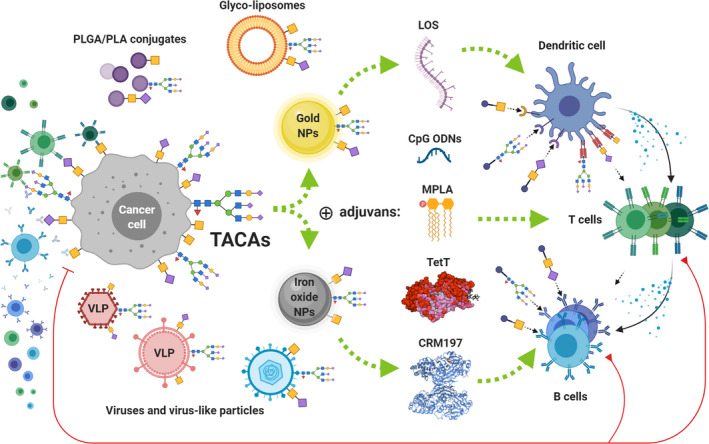
Schematic representation of potential strategies for the display of TACAs onto multivalent scaffolds (including viruses, VLPs, polymer conjugates, liposomes, and NPs) and for the activation of specific antitumor adaptive immune responses.
Fig. 11
Fig. 11
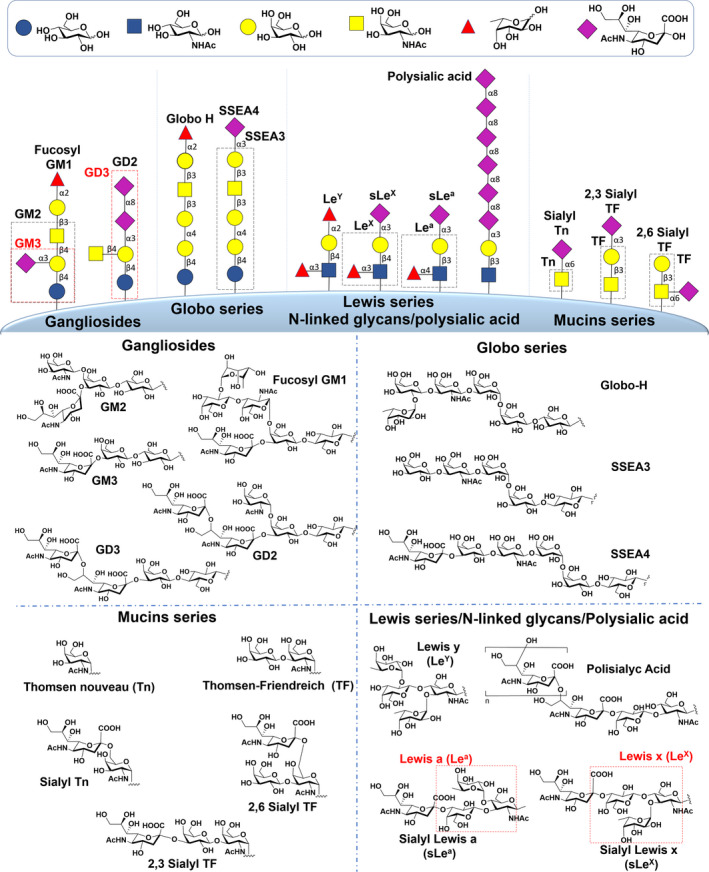
Overview of the most representative TACAs expressed on glycoproteins and glycolipids on the cancer cell surface.
Fig. 12
Fig. 12
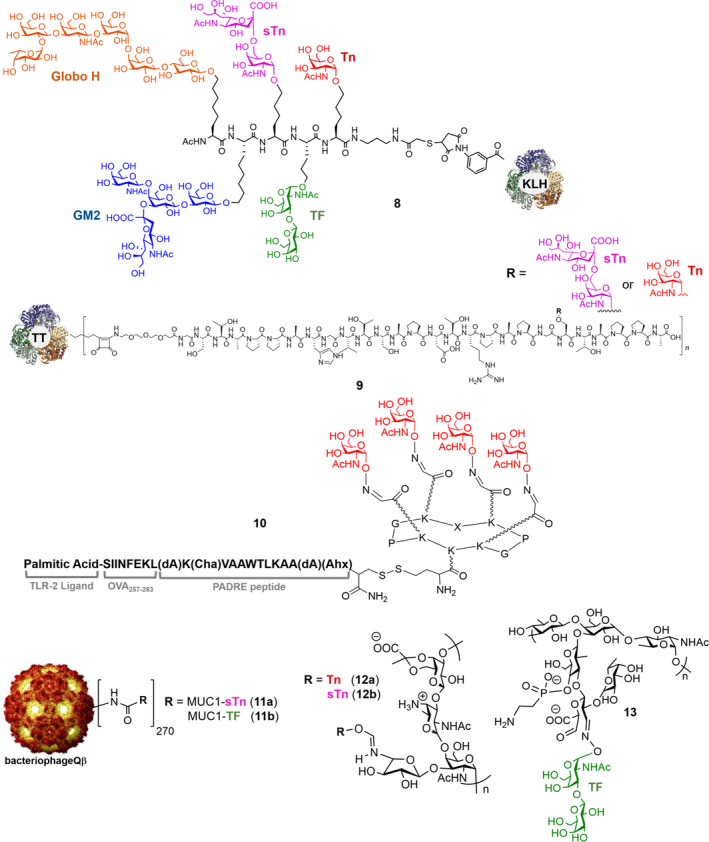
Structures of: 8 unimolecular pentavalent vaccine containing MUC antigens together with the Globo‐H, and GM2 ganglioside [222, 242, 243]; 9 TACA‐MUC1 glycopeptide conjugated with TT as a carrier protein [248], 10 which contains four copies of Tn antigen, a Th epitope, a CTL epitope, and a TLR2 ligand were combined in a glycoconjugate construct [253]; 11 MUC1‐TF and sTn glycopeptides conjugated to Qβ [255]; TACA antigens conjugated to PS A1 (12) and PS B (13) [257]. Qβ conjugate image is reproduced from Ref. [255]. Copyright 2019 American Chemical Society.
Fig. 13
Fig. 13
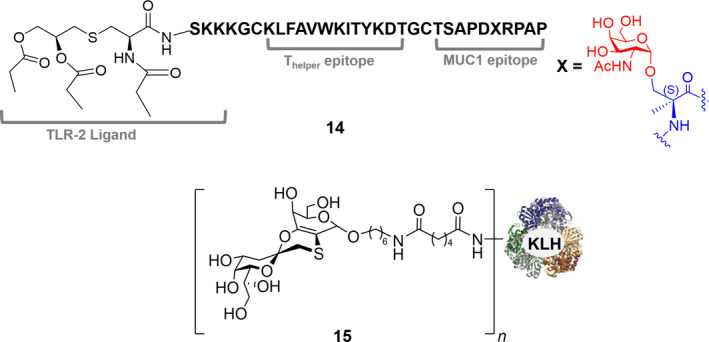
Structures of: 14 a tripartite vaccine containing the unnatural amino acid α‐methylserine glycosylated with GalNAc; [273] 15 GM3‐lactone mimetic conjugated to KLH protein [275].
Fig. 14
Fig. 14
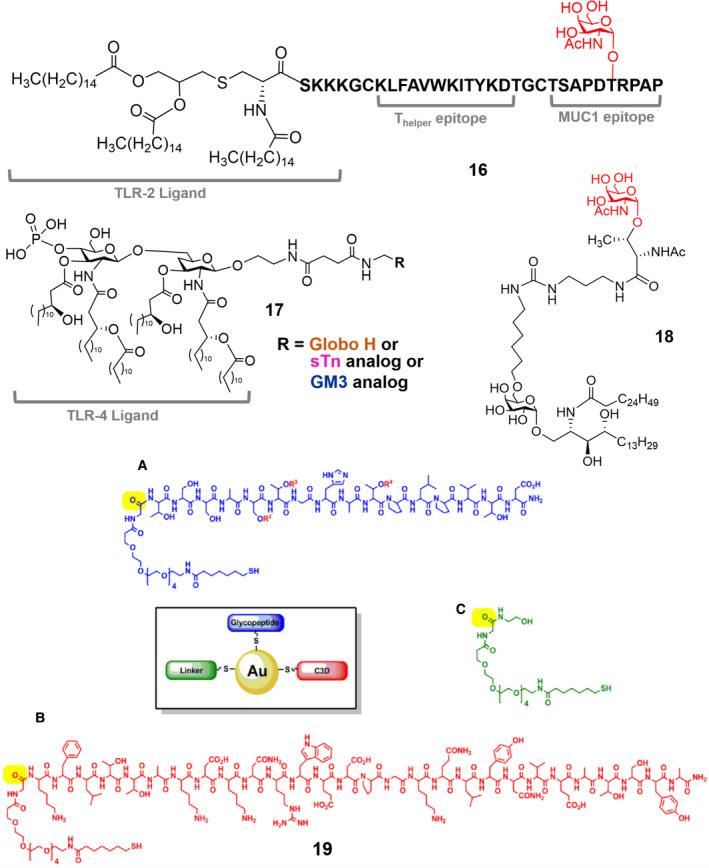
Structures of: 16 glycoconjugate vaccine containing tandem repeating unit of MUC‐1 conjugated to the TLR2 ligand [294]; 17 glycoconjugate vaccine containing a TACA antigen (sTn, GM3, Globo‐H) conjugated to a TLR‐4 ligand [300, 301, 302], 18 a synthetic Tn antigen‐glycolipid containing an α‐GalCer residue [305]; 19 Au nanoconstructs, containing the TF disaccharide antigen instead of the Tn antigen. Figure of compound 19 reproduced from Ref. [308]. Copyright 2012, American Chemical Society.
Fig. 15
Fig. 15
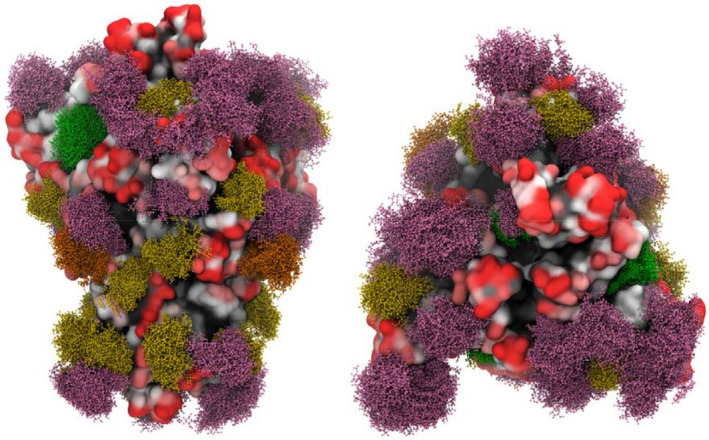
3D models of the glycosylated S (spike) protein of SARS‐CoV‐2. High‐mannose structures Man9 are depicted in green and Man5 in dark yellow. Hybrid N‐glycans are shown in orange and complex N‐glycans in pink. Figure reproduced from Ref. [321].
Fig. 16
Fig. 16
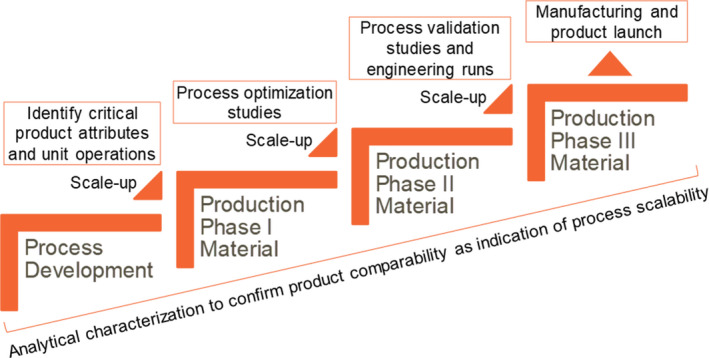
Schematic representation of the vaccine development phases up to product launch.

References

    1. Varki A, Cummings RD, Esko JD, Stanley P, Hart GW, Aebi M, Darvill AG, Kinoshita T, Packer NH, Ronald L et al. Essentials of Glycobiology. Cold Spring Harbor Laboratory Press, Cold Spring Harbor, NY. - PubMed
    1. Varki A (2017) Biological roles of glycans. Glycobiology 27, 3–49. - PMC - PubMed
    1. Toussi ND & Massari P (2014) Immune adjuvant effect of molecularly‐defined toll‐like receptor ligands. Vaccines 2, 323–353. - PMC - PubMed
    1. Mancini RJ, Stutts L, Ryu KA, Tom JK & Esser‐Kahn AP (2014) Directing the immune system with chemical compounds. ACS Chem Biol 9, 1075–1085. - PMC - PubMed
    1. Doran TM, Sarkar M & Kodadek T (2016) Chemical tools to monitor and manipulate adaptive immune responses. J Am Chem Soc 138, 6076–6094. - PMC - PubMed

Publication types