Review
. 2021 May 3;131(9):e146956.
doi: 10.1172/JCI146956.

Vaccines for immunoprevention of cancer

Affiliations
Review

Vaccines for immunoprevention of cancer

Tomohiro Enokida et al. J Clin Invest. .

Abstract

The immunoprevention of cancer and cancer recurrence is an important area of concern for the scientific community and society as a whole. Researchers have been working for decades to develop vaccines with the potential to alleviate these health care and economic burdens. So far, vaccines have made more progress in preventing cancer than in eliminating already established cancer. In particular, vaccines targeting oncogenic viruses, such as the human papillomavirus and the hepatitis B virus, are exceptional examples of successful prevention of virus-associated cancers, such as cervical cancer and hepatocellular carcinoma. Cancer-preventive vaccines targeting nonviral antigens, such as tumor-associated antigens and neoantigens, are also being extensively tested. Here, we review the currently approved preventive cancer vaccines; discuss the challenges in this field by covering ongoing preclinical and clinical human trials in various cancers; and address various issues related to maximizing cancer vaccine benefit.


Conflict of interest statement

Conflict of interest: AM has received speaker or consultant fees from AbbVie, Almirall, Novartis, Bristol Myers Squibb, Pfizer, and Roche. AM is employed by Novartis; the work described in this publication was completed prior to his employment at Novartis. NB is an extramural member of the Parker Institute for Cancer Immunotherapy, receives research funds from Regeneron, Harbor Biomedical, and Dragonfly Therapeutics, and is on the advisory boards of Neon Therapeutics, Novartis, Avidea, Boehringer Ingelheim, Rome Therapeutics, Roswell Park Comprehensive Cancer Center, BreakBio, Carisma Therapeutics, CureVac, Genotwin, BioNTech, Gilead Therapeutics, Tempest Therapeutics, and the Cancer Research Institute.

Figures

Figure 1
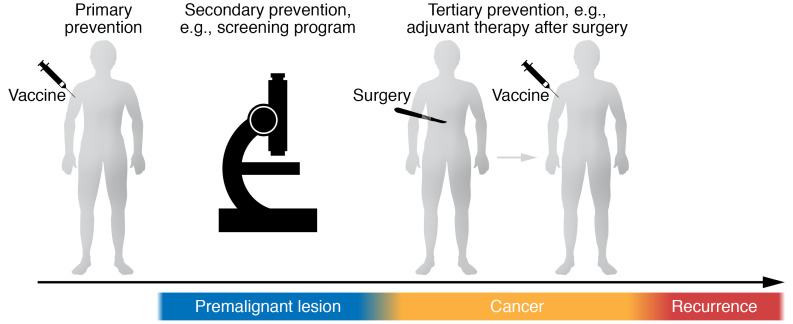
Figure 1. Model for prophylactic cancer vaccine.
Vaccines can work as primary prevention in healthy people to reduce premalignant and cancer occurrence and as tertiary prevention for cancer patients who received curative treatment to reduce recurrence.
Figure 2
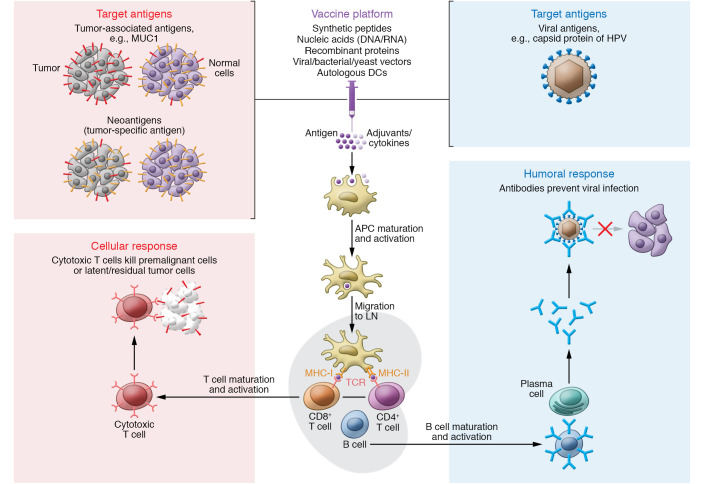
Figure 2. Basic mechanism of preventive cancer vaccine.
The vaccine’s antigen component is recognized and acquired by specialized antigen-presenting cells (APCs). Antigen-loaded APCs, such as dendritic cells (DCs), migrate to a draining lymph node (LN) to present the antigen via MHC class I and II to naive CD8+ or CD4+ T cells, respectively, with costimulatory molecules to induce T cell expansion or interaction with B cells. Eventually, cytotoxic T cells kill and eliminate the premalignant or clinically latent malignant cells expressing targeted antigen (cellular response, left), and plasma cells secrete antibodies that can neutralize oncogenic viruses by blocking virus–host cell interactions (humoral response, right).
Figure 3
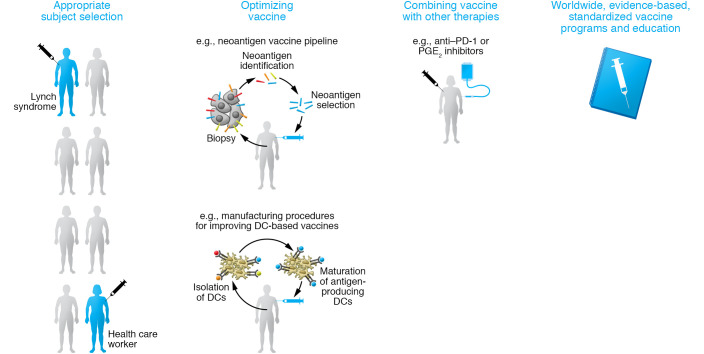
Figure 3. Strategies for maximizing efficacy of cancer prevention by vaccine.
Strategies including appropriate selection of the subject who most likely benefits from the prophylactic cancer vaccines, optimization of the vaccine platform itself, combination of vaccine with other compounds, and spreading of vaccine based on proper understanding are essential to maximize the efficacy of vaccines in cancer prevention.

References

    1. Bray F, et al. Long-term realism and cost-effectiveness: primary prevention in combatting cancer and associated inequalities worldwide. J Natl Cancer Inst. 2015;107(12):djv273. doi: 10.1093/jnci/djv273. - DOI - PMC - PubMed
    1. Bray F, Soerjomataram I. The changing global burden of cancer: transitions in human development and implications for cancer prevention and control. In Gelband H, et al., eds. Cancer: Disease Control Priorities. Vol 3, 3rd ed. 2015:23–44. - PubMed
    1. National Cancer Institute. About the Annual Plan and Budget Proposal. https://www.cancer.gov/about-nci/budget/about-annual-plan#:~:text=About%... Accessed March 17, 2021.
    1. Markowitz LE, et al. Human papillomavirus vaccine introduction — the first five years. Vaccine. 2012;30(suppl 5):F139–F148. - PubMed
    1. A two-dose hepatitis B vaccine for adults (Heplisav-B) JAMA. 2018;60(1539):17–18. doi: 10.1001/jama.2018.1097. - DOI - PubMed

Publication types

MeSH terms