


In vitro cell culture model of human nasal-associated lymphoid tissue (NALT) to evaluate the humoral immune response to SARS-CoV-2 spike proteins
- PMID: 33942008
- PMCID: PMC8064899
- DOI: 10.1016/j.sjbs.2021.04.051
In vitro cell culture model of human nasal-associated lymphoid tissue (NALT) to evaluate the humoral immune response to SARS-CoV-2 spike proteins
Abstract
To date, coronavirus disease 2019 (COVID-19) continues to be considered a pandemic worldwide, with a mild to severe disease presentation that is sometimes associated with serious complications that are concerning to global health authorities. Scientists are working hard to understand the pathogenicity of this novel virus, and a great deal of attention and effort has been focused on identifying therapeutics and vaccines to control this pandemic.
Methods: This study used tonsils removed from twelve patients who underwent an elective tonsillectomy in the ear, nose, and throat (ENT) department at Saudi Germany Hospital, Madinah, Saudi Arabia. Tonsillar mononuclear cells (MNCs) were separated and co-cultured in RPMI complete medium in the presence and absence of viral spike (S) proteins (the full-length S, S1 subunit, and S2 subunit proteins). Enzyme-linked immunosorbent assay (ELISA) was used to measure secreted antibody concentrations following stimulation.
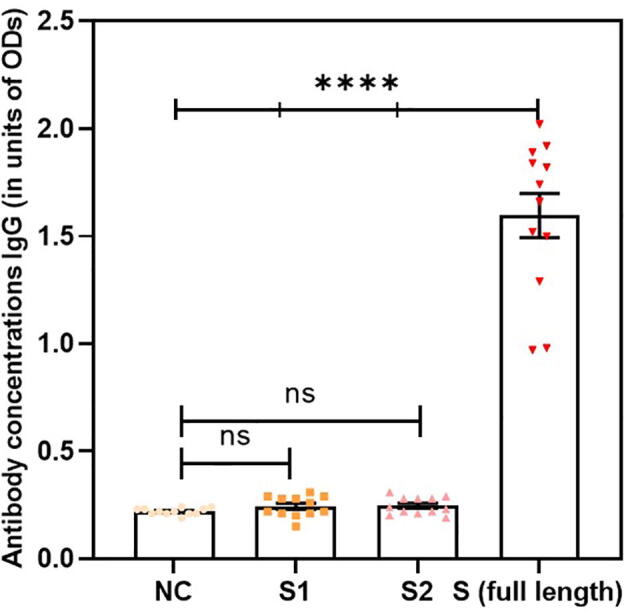
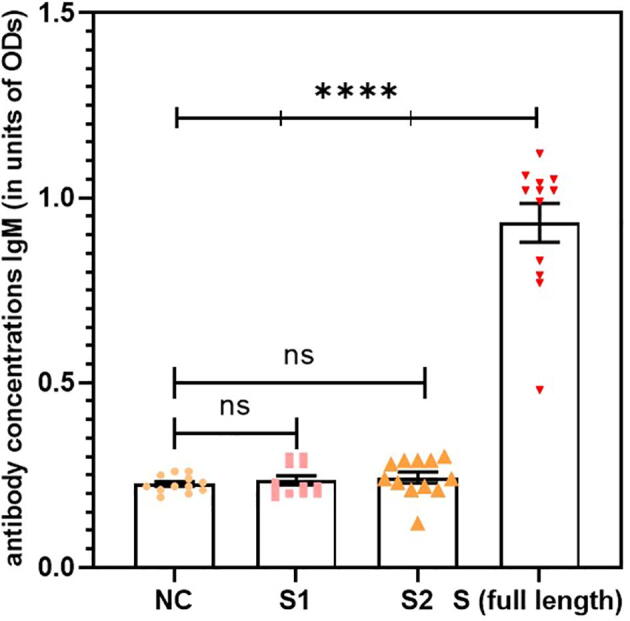
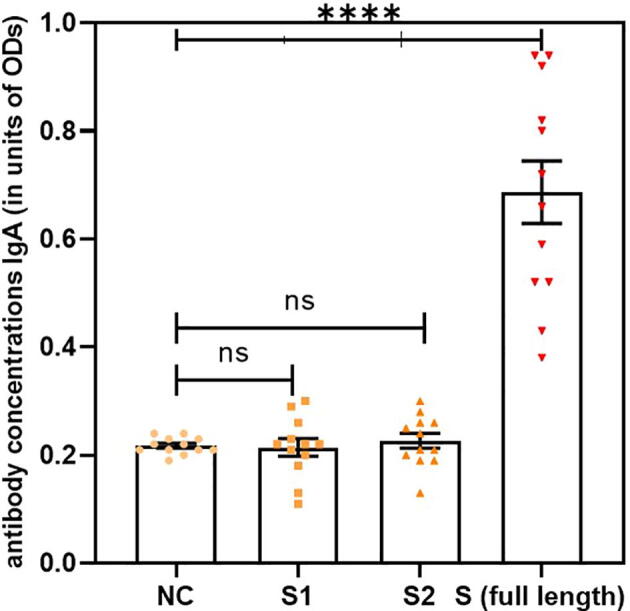
Results: The in vitro human nasal-associated lymphoid tissue (NALT) cell culture model was successfully used to evaluate the humoral immune response against SARS-CoV-2- S protein. Significant (p < 0.0001, n = 12) levels of specific, anti-S IgG, IgM, and IgA antibody responses were detected in cells culture supernatanat folloeing stimulation with the full-length S protein compared with unstimulated cells. In contrast, S1 and S2 subunit proteins alone failed to induce a mucosal humoral immune response following tonsillar MNC stimulation.
Conclusion: We demonstrated a successful human NALT in vitro cell culture model that was used to study the mucosal humoral immune response to the SARS-CoV-2 S protein. This model could be advantageous for the in-depth study of cellular immune responses to the S protein and other viral antigens, such as nucleocapsid and matrix antigen. The S protein appears to be the important viral protein that may be able to mimic the natural infection process intranasally and should be studied as a component of a candidate vaccine.
© 2021 The Author(s).
Conflict of interest statement
The authors declare that they have no known competing financial interests or personal relationships that could have appeared to influence the work reported in this paper.
Figures
References
-
- A, G. M., M, H., J, J. B., A, K. A., S, M. J. M., A, G. M. & S, A. R. M. 2020. COVID-19 Tragic Pandemic: Concerns over Unintentional “Directed Accelerated Evolution” of Novel Coronavirus (SARS-CoV-2) and Introducing a Modified Treatment Method for ARDS. J Biomed Phys Eng, 10, 241-246. - PMC - PubMed
-
- Aljurayyan A., Puksuriwong S., Ahmed M., Sharma R., Krishnan M., Sood S., Davies K., Rajashekar D., Leong S., McNamara P.S., Gordon S., Zhang Q. Activation and Induction of Antigen-Specific T Follicular Helper Cells Play a Critical Role in Live-Attenuated Influenza Vaccine-Induced Human Mucosal Anti-influenza Antibody Response. J Virol. 2018;92 - PMC - PubMed
-
- Belshe R.B., Edwards K.M., Vesikari T., Black S.V., Walker R.E., Hultquist M., Kemble G., Connor E.M., Group C.-T.C.E.S. Live attenuated versus inactivated influenza vaccine in infants and young children. N Engl J Med. 2007;356:685–696. - PubMed
-
- Beniova S.N., Taranova S.V., Babko S.V. Specific clinical and immunological features of chronic diseases of the nasal-associated lymphoid tissue in the children. Vestn Otorinolaringol. 2014:36–38. - PubMed
-
- Bernstein, J. M. 1999a. Waldeyer's ring and otitis media: the nasopharyngeal tonsil and otitis media. Int J Pediatr Otorhinolaryngol, 49 Suppl 1, S127-32. - PubMed
LinkOut - more resources
Full Text Sources
Research Materials
Miscellaneous
