


Effect of chronic ethanol consumption in rhesus macaques on the nucleus accumbens core transcriptome
- PMID: 33942443
- PMCID: PMC8588809
- DOI: 10.1111/adb.13021
Effect of chronic ethanol consumption in rhesus macaques on the nucleus accumbens core transcriptome
Abstract
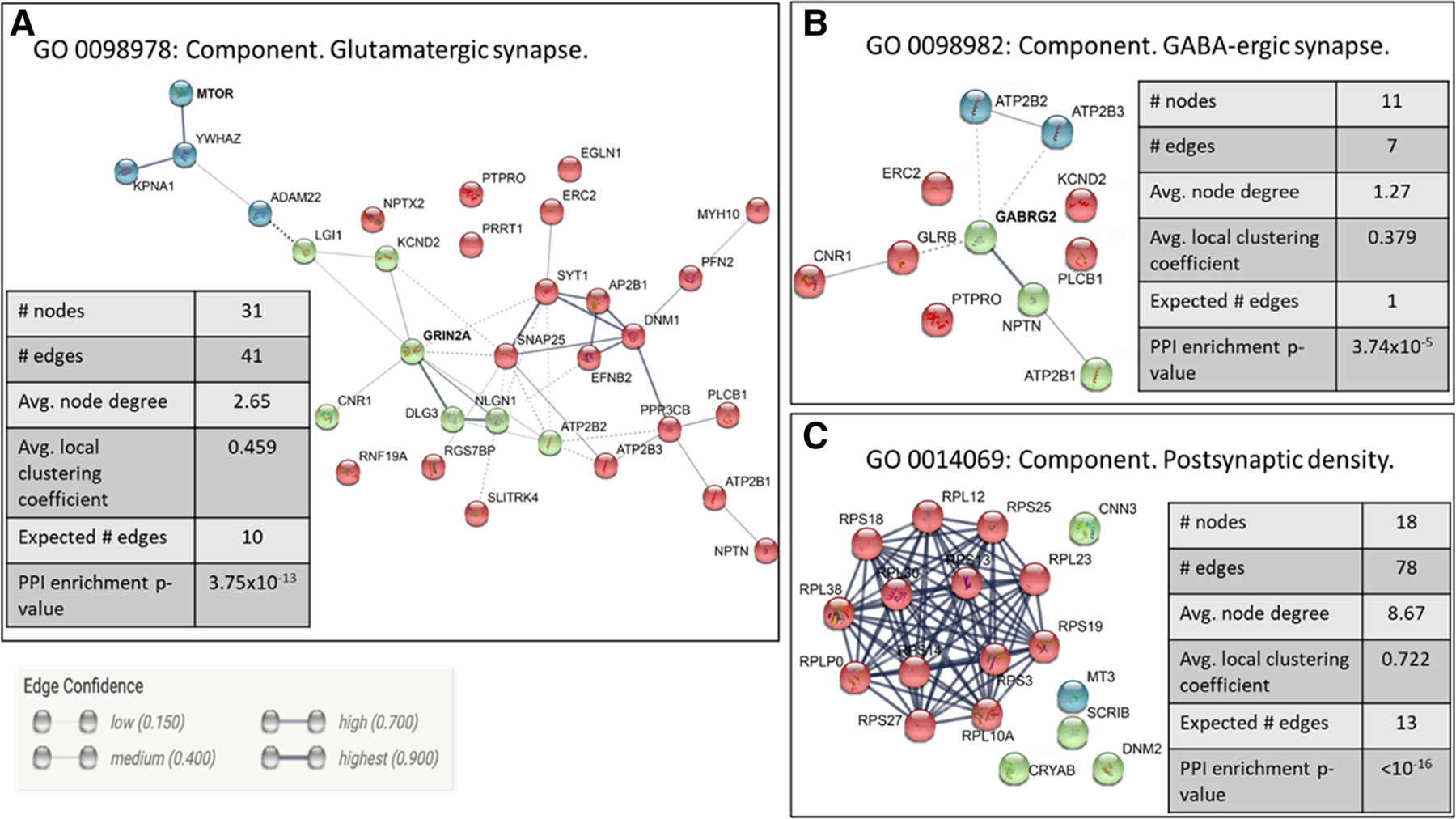
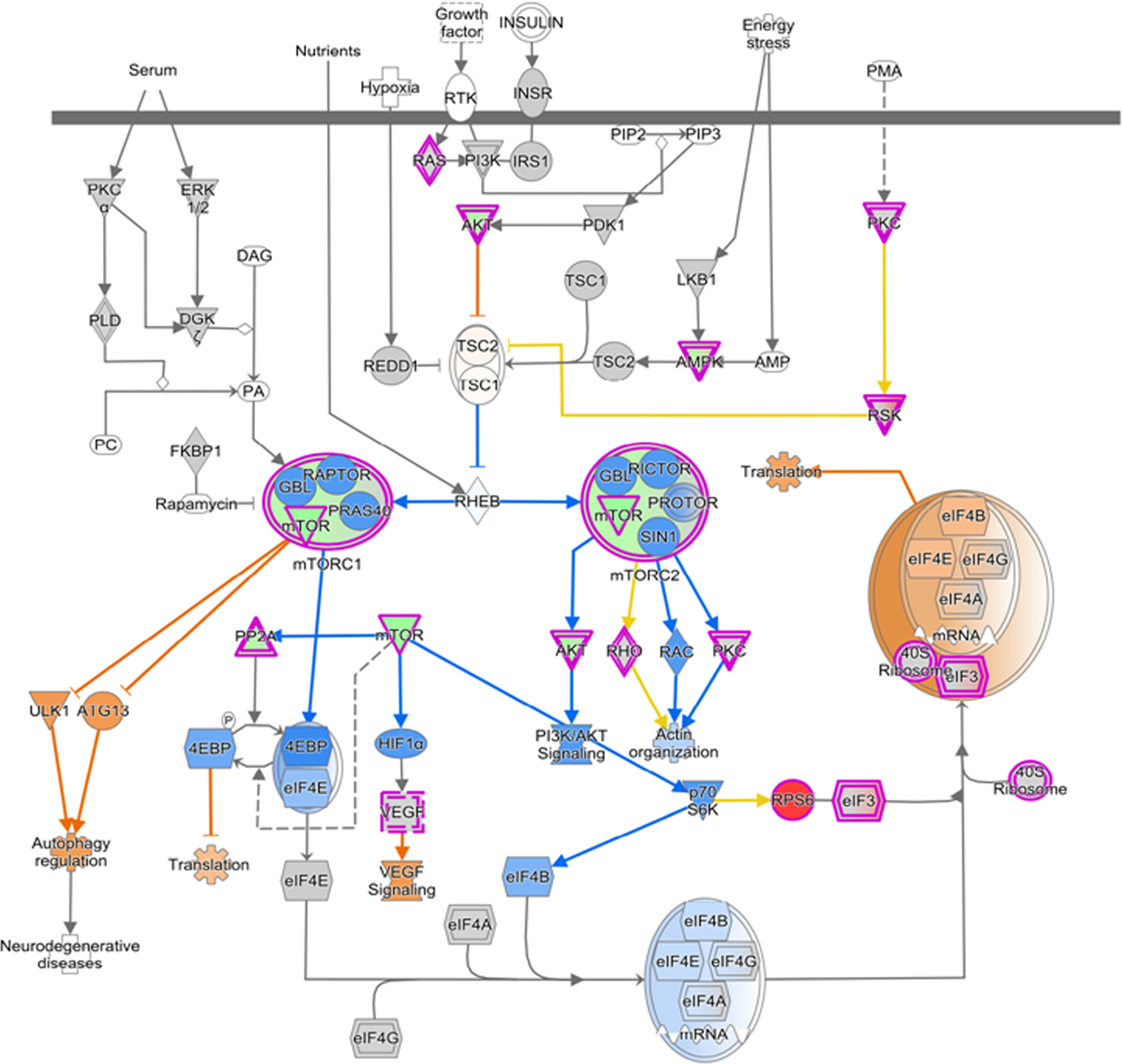
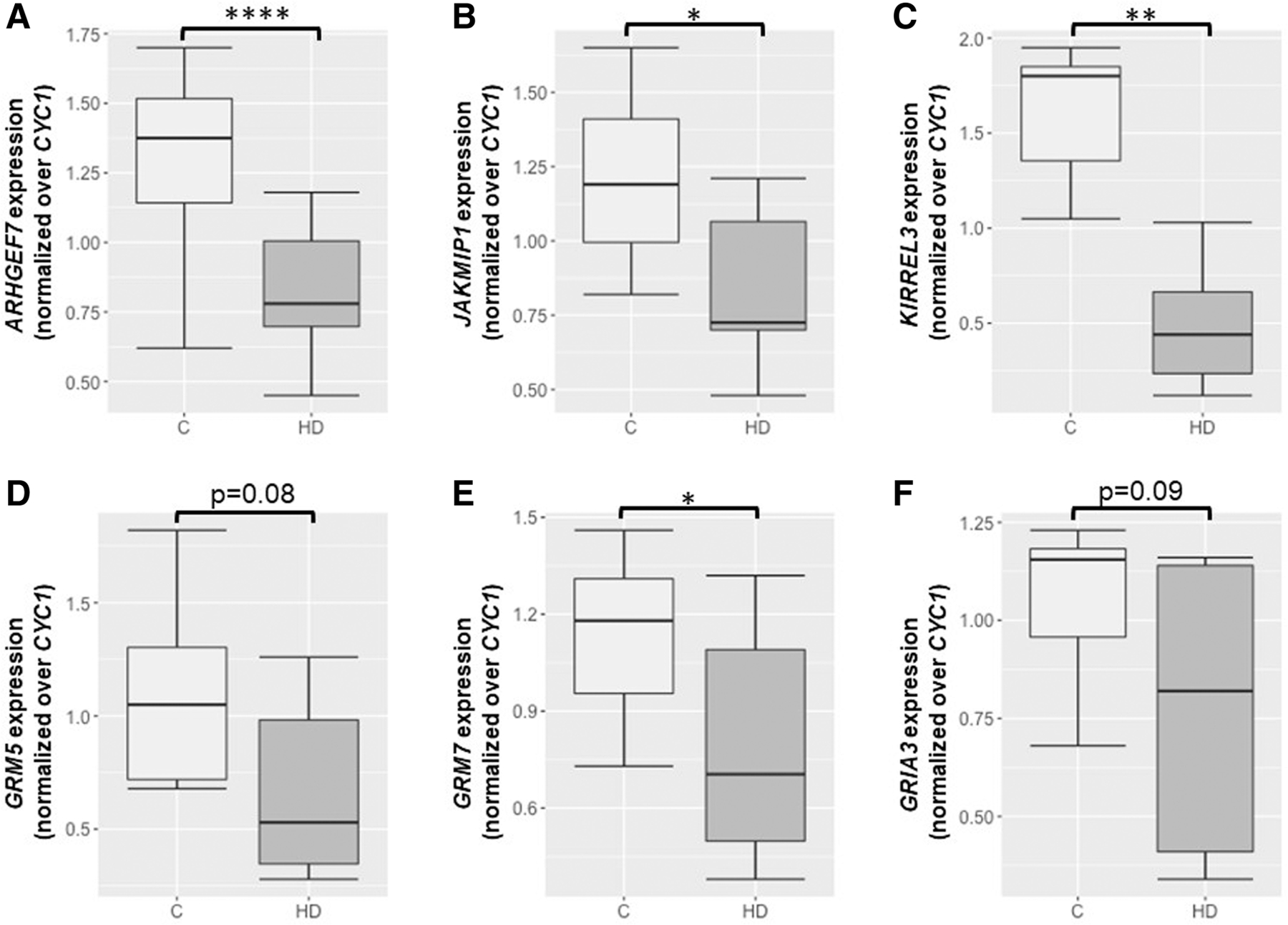
The nucleus accumbens core (NAcc) has been repeatedly demonstrated to be a key component of the circuitry associated with excessive ethanol consumption. Previous studies have illustrated that in a nonhuman primate (NHP) model of chronic ethanol consumption, there is significant epigenetic remodeling of the NAcc. In the current study, RNA-Seq was used to examine genome-wide gene expression in eight each of control, low/binge (LD*), and high/very high (HD*) rhesus macaque drinkers. Using an FDR < 0.05, zero genes were significantly differentially expressed (DE) between LD* and controls, six genes between HD* and LD*, and 734 genes between HD* and controls. Focusing on HD* versus control DE genes, the upregulated genes (N = 366) were enriched in genes with annotations associated with signal recognition particle (SRP)-dependent co-translational protein targeting to membrane (FDR < 3 × 10-59 ), structural constituent of ribosome (FDR < 3 × 10-47 ), and ribosomal subunit (FDR < 5 × 10-48 ). Downregulated genes (N = 363) were enriched in annotations associated with behavior (FDR < 2 × 10⁻⁴ ), membrane organization (FDR < 1 × 10⁻⁴ ), inorganic cation transmembrane transporter activity (FDR < 2 × 10⁻³ ), synapse part (FDR < 4 × 10⁻¹⁰ ), glutamatergic synapse (FDR < 1 × 10⁻⁶ ), and GABAergic synapse (FDR < 6 × 10⁻⁴ ). Ingenuity Pathway Analysis (IPA) revealed that EIF2 signaling and mTOR pathways were significantly upregulated in HD* animals (FDR < 3 × 10-33 and <2 × 10-16 , respectively). Overall, the data supported our working hypothesis; excessive consumption would be associated with transcriptional differences in GABA/glutamate-related genes.
Keywords: chronic ethanol consumption; nonhuman primate; nucleus accumbens core.
© 2021 The Authors. Addiction Biology published by John Wiley & Sons Ltd on behalf of Society for the Study of Addiction.
Conflict of interest statement
DISCLOSURE/CONFLICT OF INTEREST
No conflicts are declared.
Figures
References
-
- Roberts DC, Koob GF, Klonoff P, Fibiger HC. Extinction and recovery of cocaine self-administration following 6-hydroxydopamine lesions of the nucleus accumbens. Pharmacol Biochem Behav 1980;12(5): 781–787. - PubMed
-
- Joyce EM, Koob GF. Amphetamine-, scopolamine- and caffeine-induced locomotor activity following 6-hydroxydopamine lesions of the mesolimbic dopamine system. Psychopharmacology (Berl) 1981;73 (4):311–313. - PubMed
-
- Wise RA, Bozarth MA. Brain reward circuitry: four circuit elements “wired” in apparent series. Brain Res Bull 1984;12(2):203–208. - PubMed
Publication types
MeSH terms
Substances
Grants and funding
LinkOut - more resources
Full Text Sources
Other Literature Sources
Medical
Molecular Biology Databases
Research Materials
Miscellaneous
