


Yeast proteins do not practice social distancing as species hybridize
- PMID: 33948708
- PMCID: PMC8096128
- DOI: 10.1007/s00294-021-01188-x
Yeast proteins do not practice social distancing as species hybridize
Abstract
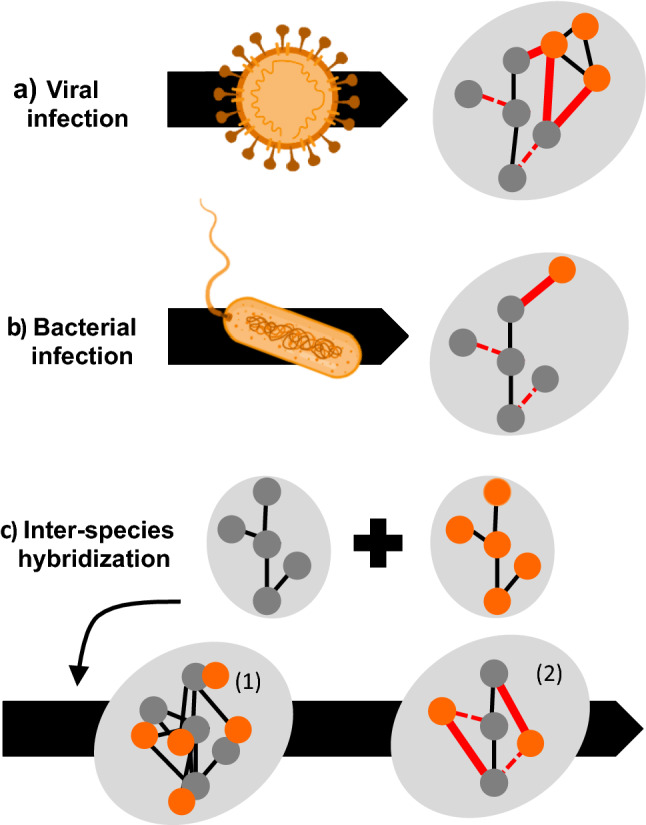
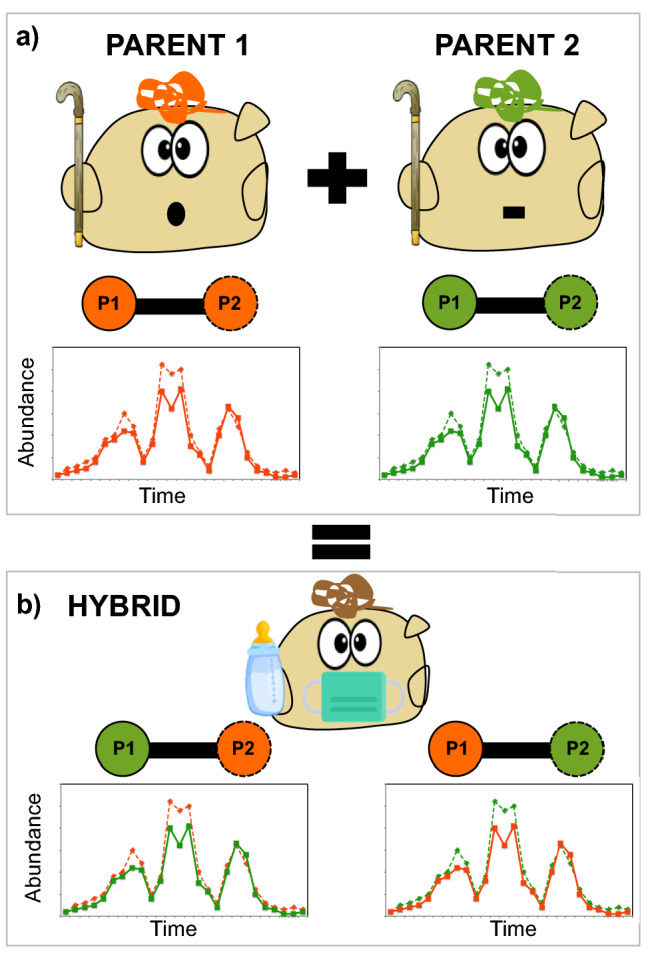
With the current COVID-19 pandemic, we all realized how important interactions are. Interactions are everywhere. At the cellular level, protein interactions play a key role and their ensemble, also called interactome, is often referred as the basic building blocks of life. Given its importance, the maintenance of the integrity of the interactome is a real challenge in the cell. Many events during evolution can disrupt interactomes and potentially result in different characteristics for the organisms. However, the molecular underpinnings of changes in interactions at the cellular level are still largely unexplored. Among the perturbations, hybridization puts in contact two different interactomes, which may lead to many changes in the protein interaction network of the hybrid, including gains and losses of interactions. We recently investigated the fate of the interactomes after hybridization between yeast species using a comparative proteomics approach. A large-scale conservation of the interactions was observed in hybrids, but we also noticed the presence of proteostasis-related changes. This suggests that, despite a general robustness, small differences may accumulate in hybrids and perturb their protein physiology. Here, we summarize our work with a broader perspective on the importance of interactions.
Keywords: Hybridization; Interactome; Protein–protein interaction; Yeast.
© 2021. The Author(s), under exclusive licence to Springer-Verlag GmbH Germany, part of Springer Nature.
Conflict of interest statement
The authors declare that they have no conflict of interest.
Figures
References
-
- Bar-Zvi D, Lupo O, Levy AA, Barkai N. Hybrid vigor: the best of both parents or a genomic clash? Curr Opin Syst Biol. 2017;6:22–27. doi: 10.1016/j.coisb.2017.08.004. - DOI
-
- Darwin C. The variation of animals and plants under domestication. Authorized. New York: O. Judd & Company; 1868.
Publication types
MeSH terms
Substances
LinkOut - more resources
Full Text Sources
Molecular Biology Databases
