Review
. 2021 Oct 1;101(4):1745-1807.
doi: 10.1152/physrev.00030.2020. Epub 2021 May 5.

Obesity cardiomyopathy: evidence, mechanisms, and therapeutic implications

Affiliations
Review

Obesity cardiomyopathy: evidence, mechanisms, and therapeutic implications

Jun Ren et al. Physiol Rev. .

Abstract

The prevalence of heart failure is on the rise and imposes a major health threat, in part, due to the rapidly increased prevalence of overweight and obesity. To this point, epidemiological, clinical, and experimental evidence supports the existence of a unique disease entity termed "obesity cardiomyopathy," which develops independent of hypertension, coronary heart disease, and other heart diseases. Our contemporary review evaluates the evidence for this pathological condition, examines putative responsible mechanisms, and discusses therapeutic options for this disorder. Clinical findings have consolidated the presence of left ventricular dysfunction in obesity. Experimental investigations have uncovered pathophysiological changes in myocardial structure and function in genetically predisposed and diet-induced obesity. Indeed, contemporary evidence consolidates a wide array of cellular and molecular mechanisms underlying the etiology of obesity cardiomyopathy including adipose tissue dysfunction, systemic inflammation, metabolic disturbances (insulin resistance, abnormal glucose transport, spillover of free fatty acids, lipotoxicity, and amino acid derangement), altered intracellular especially mitochondrial Ca2+ homeostasis, oxidative stress, autophagy/mitophagy defect, myocardial fibrosis, dampened coronary flow reserve, coronary microvascular disease (microangiopathy), and endothelial impairment. Given the important role of obesity in the increased risk of heart failure, especially that with preserved systolic function and the recent rises in COVID-19-associated cardiovascular mortality, this review should provide compelling evidence for the presence of obesity cardiomyopathy, independent of various comorbid conditions, underlying mechanisms, and offer new insights into potential therapeutic approaches (pharmacological and lifestyle modification) for the clinical management of obesity cardiomyopathy.

Keywords: cardiovascular disease; glucotoxicity; heart; inflammation; lipotoxicity; obesity; therapy.


Conflict of interest statement

No conflicts of interest, financial or otherwise, are declared by the authors.

Figures
None
Graphical abstract
FIGURE 1.
FIGURE 1.
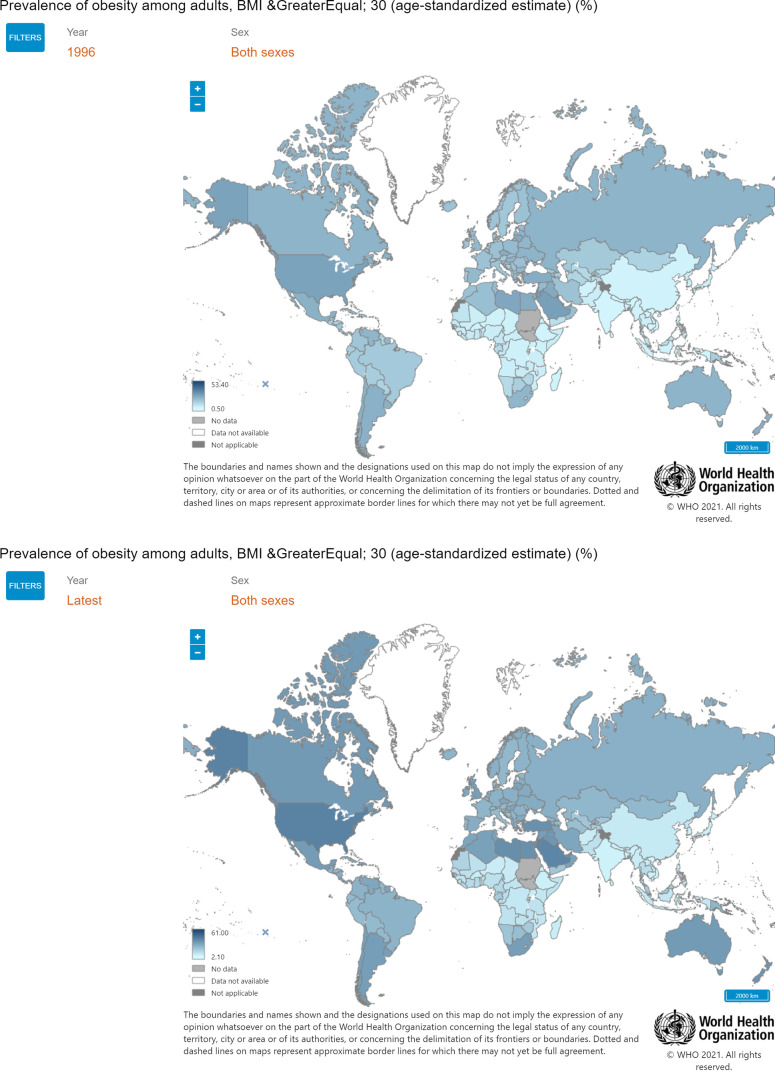
Increase in obesity prevalence over the past 20 yr (1996-2016): According to the World Health Organization’s (WHO) data, 39% of adults aged 18 yr and over (39% of men and 40% of women) were overweight in 2016 worldwide. Overall, about 13% of the world’s adult population (11% of men and 15% of women) were obese in 2016. Reproduced from WHO’s Global Health Observatory (GHO) Data (9) with permission. BMI, body mass index.
FIGURE 2.
FIGURE 2.
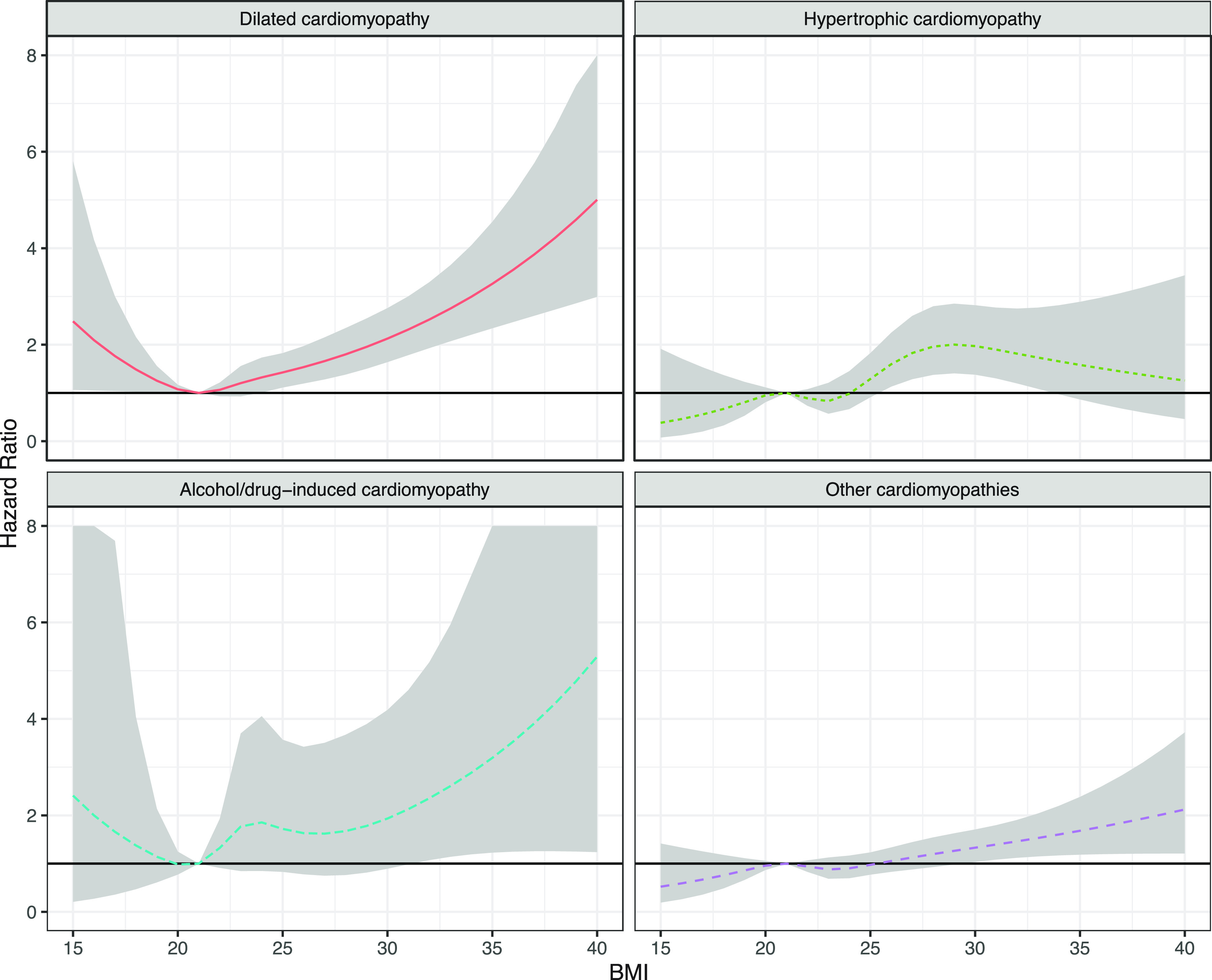
Association between body mass index (BMI) in young women and risk for cardiomyopathies: The model is adjusted for age, year, parity, comorbidities at baseline, smoking, and level of education (n = 1,339,527). Reproduced from Robertson et al. (116) with permission.
FIGURE 3.
FIGURE 3.
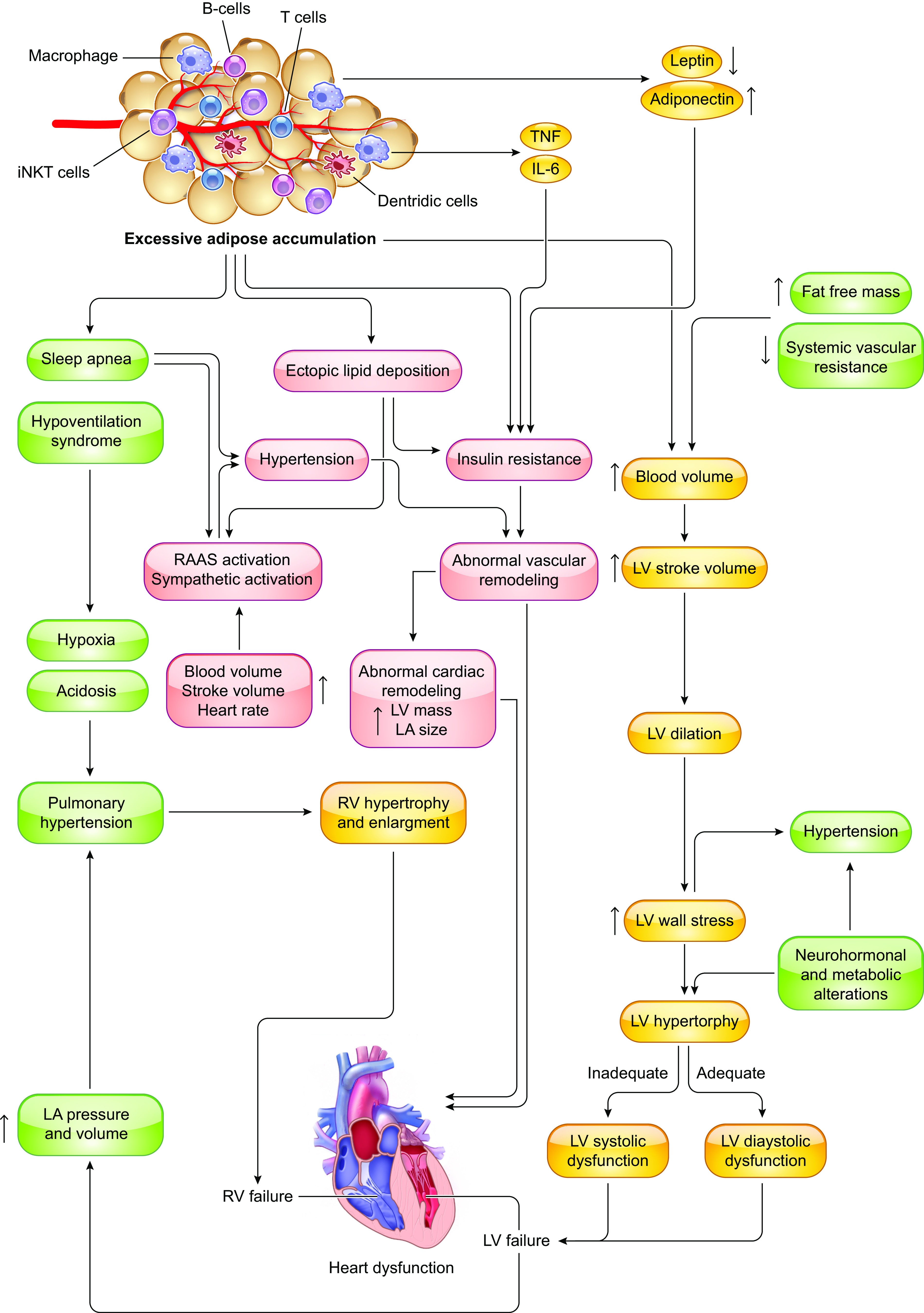
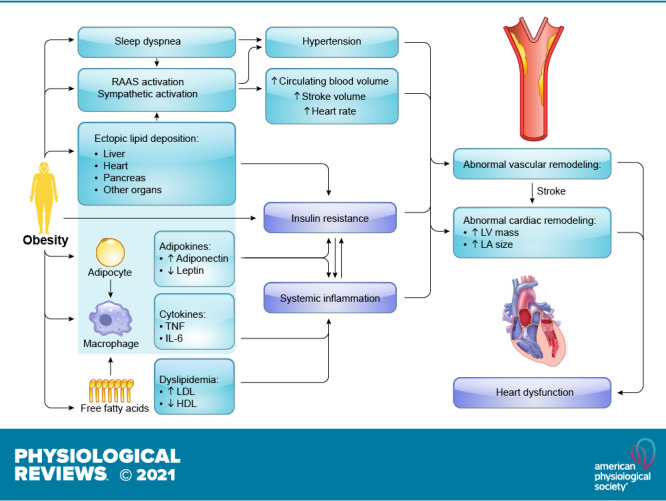
Overall impact of excessive adipose accumulation on cardiac hemodynamic and ventricular function: Under severe obese condition, alterations in ventricular function and abnormalities in cardiac hemodynamic lead to heart failure. Severe obesity induces left ventricular (LV) hypertrophy, which may be eccentric (predominant in normotensive severe obesity) or concentric (predominant in severe obesity and obesity with established systemic hypertension). It is uncertain to what extent metabolic alterations including leptin/insulin resistance, lipid toxicity, and altered renin-angiotensin-aldosterone system (RAAS) may lead to obesity cardiomyopathy. RV, right ventricular; LV, left ventricular; TNF, tumor necrosis factor; IL-6, interleukin-6; iNKT cells, invariant natural killer T cells; LA, left atria.
FIGURE 4.
FIGURE 4.
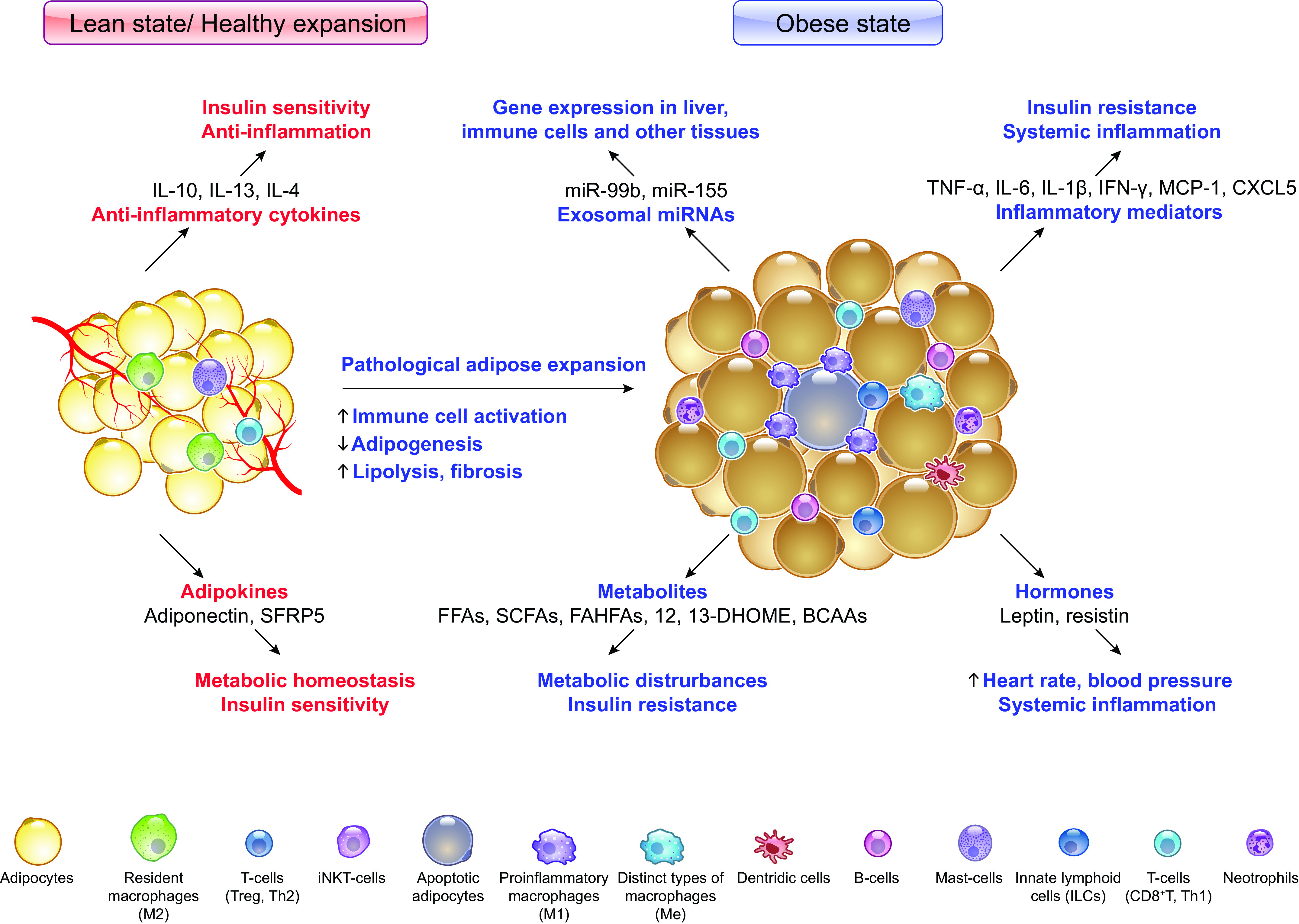
Adipose tissue dysfunction and inflammation in obesity that directly and indirectly aggravates cardiomyopathy: In lean state, adipocytes secrete various endocrine factors that maintain metabolic homeostasis. In response to chronic energy excess, infiltration of proinflammatory immune cells and hypertrophic adipose expansion along with a lack of adipogenesis can be observed in adipose tissues, which is accompanied by altered secretion of adipose tissue hormones, cytokines, metabolites, and exosomal miRNAs. Overall, the changes in hypertrophic adipose tissue contribute to insulin resistance, impaired glucose, and lipid metabolism and low-grade systemic inflammation and exert local effects that exacerbate cardiomyopathy in obesity. IL-10, -13, -4, interleukin 10, 13, 4; SFRP5, secreted frizzled-related protein 5; TNFα, tumor necrosis factor-α; IL-6, -1β, interleukin 6, 1β; IFN-γ, interferon γ; MCP1, monocyte chemoattractant protein 1; CXCL5, C-X-C motif chemokine ligand 5; FFAs, free fatty acids; SCFAs, short-chain fatty acids; FAHFAs, fatty acid esters of hydroxy fatty acids; 12,13-DHOME, 12,13-dihydroxy-(9Z)-octadecenoic acid; BCAAs, branched-chain amino acids. Created with BioRender.com.
FIGURE 5.
FIGURE 5.
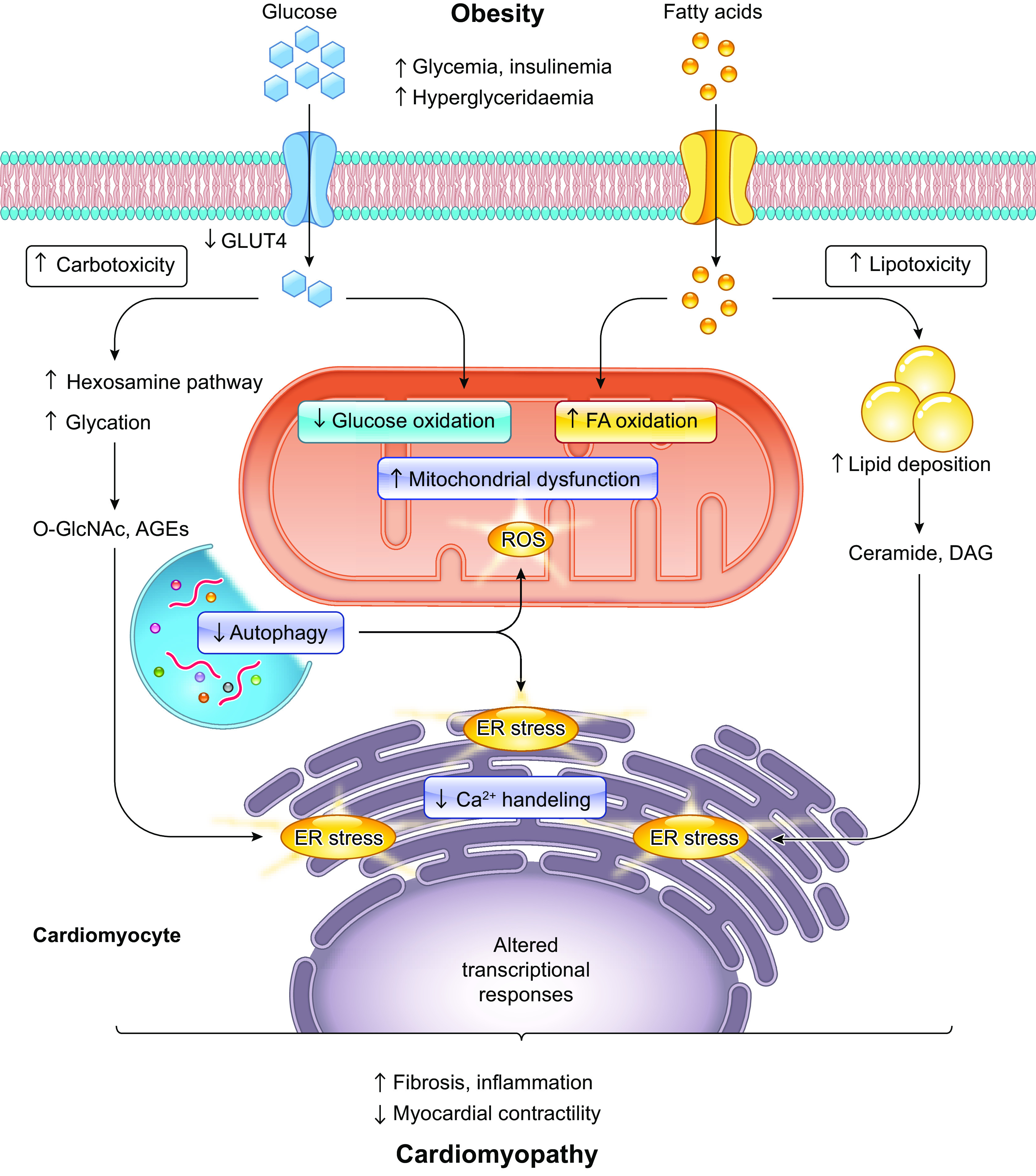
Metabolic stress and organelle dysfunction in obesity cardiomyopathy: Obesity leads to decreased myocardial glucose uptake and oxidation, increased fatty acid oxidation (FAO), and altered cardiomyocyte gene expression. Increased triglyceride accumulation and their products, such as ceramides and DAG, cause majority of lipotoxicity in hearts. Different metabolic pathways such as hexosamine and advanced glycation end-product (AGE) pathways have been identified as pro-oxidative processes and are usually elevated in uncorrected obesity. Autophagy activity in the heart declines with obesity, and its insufficiency is involved in the accumulation of reactive oxygen species (ROS) and the development of endoplasmic reticulum (ER) stress, leading to obesity-related cardiometabolic diseases. GLUT4, glucose transporter type 4; DAG, diacylglycerol; O-GlcNAc, β-linked N-acetylglucosamine; AGEs; advanced glycation end-products; FA, fatty acid; ROS, reactive oxygen species. Created with BioRender.com.
FIGURE 6.
FIGURE 6.
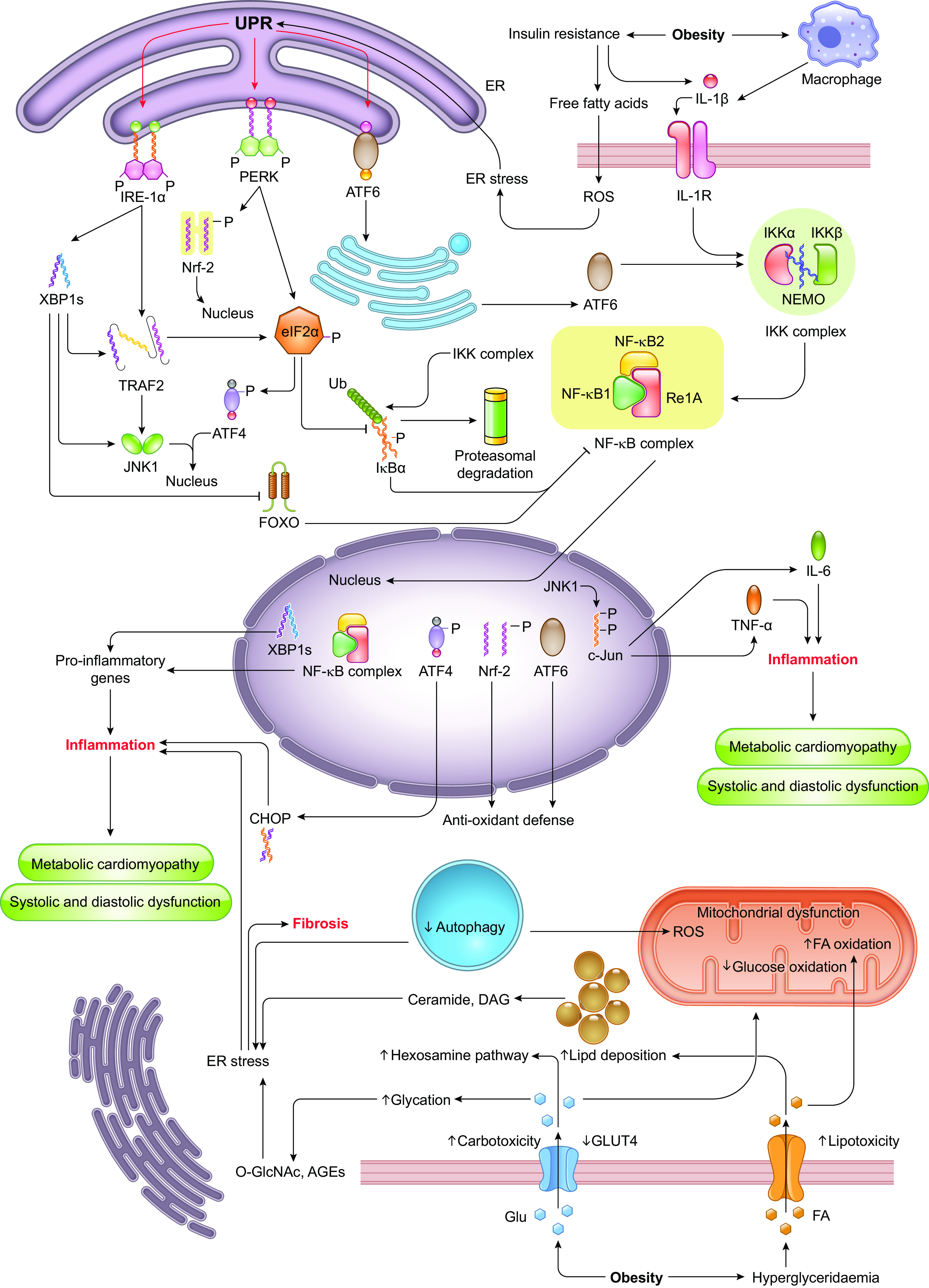
Obesity-mediated endoplasmic reticulum (ER) stress underlies cardiometabolic disorders: Obesity induces certain conditions such as hyperglyceridemia, glycemia, insulin resistance, and macrophage activation, all of which, in turn switches on several pathways culminating in ER stress, inflammation, and ultimately cardiometabolic disorders. Insulin resistance induces ER stress, which activates three branches of unfolded protein response (UPR) including ATF6, PERK, and IRE-1α. IRE-1α/TRAF2/JNK1/c-Jun pathway induces inflammation via TNF-α and IL-6, while PERK/eIF2α/IκBα pathway and ATF6 trigger NF-κB complex-mediated inflammation. Macrophage also produces IL-1β, which activates IKK and NF-κB complexes leading to inflammation. Hyperglyceridemia and glycemia induce carbotoxicity and lipotoxicity, which instigates metabolic alterations resulting in ER stress and inflammation. IRE-1α, inositol-requiring protein-1; PERK, protein kinase RNA-like ER kinase; ATF6, activating transcription factor-6; IKK, I-κb-kinase; NF-κB, nuclear factorκB; IκBα, I-κb-α; Ub, ubiquitin; eIF2α, eukaryotic initiation factor 2α; Nrf-2, nuclear factor-E2-related factor; XBP1s, X-box-binding-protein-1 spliced; TRAF2, TNF receptor-associated factor 2; JNK1, C-Jun NH2-terminal kinase 1; ATF4, activating transcription factor-4; FOXO, forkhead box O; c-Jun, a transcription factor; CHOP, C/EBP homologous protein; FA, fatty acid; Glu, glucose; GLUT4, glucose transporter type 4; DAG, diacylglycerol; O-GlcNAc, β-linked N-acetylglucosamine; AGEs, advanced glycation end-products.

References

    1. Bluher M. Obesity: global epidemiology and pathogenesis. Nat Rev Endocrinol 15: 288–298, 2019. doi: 10.1038/s41574-019-0176-8. - DOI - PubMed
    1. Abarca-Gómez L, Abdeen ZA, Hamid ZA, Abu-Rmeileh NM, Acosta-Cazares B, Acuin C, et al. Worldwide trends in body-mass index, underweight, overweight, and obesity from 1975 to 2016: a pooled analysis of 2416 population-based measurement studies in 128·9 million children, adolescents, and adults. Lancet 390: 2627–2642, 2017. doi: 10.1016/S0140-6736(17)32129-3. - DOI - PMC - PubMed
    1. Chooi YC, Ding C, Magkos F. The epidemiology of obesity. Metabolism 92: 6–10, 2019. doi: 10.1016/j.metabol.2018.09.005. - DOI - PubMed
    1. Ng M, Fleming T, Robinson M, Thomson B, Graetz N, Margono C. Global, regional, and national prevalence of overweight and obesity in children and adults during 1980-2013: a systematic analysis for the Global Burden of Disease Study 2013. Lancet 384: 766–781, 2014. doi: 10.1016/S0140-6736(14)60460-8. - DOI - PMC - PubMed
    1. Flegal KM, Kit BK, Orpana H, Graubard BI. Association of all-cause mortality with overweight and obesity using standard body mass index categories: a systematic review and meta-analysis. JAMA 309: 71–82, 2013. doi: 10.1001/jama.2012.113905. - DOI - PMC - PubMed

Publication types

LinkOut - more resources