


The risk factors for insomnia and sleep-disordered breathing in military communities: A meta-analysis
- PMID: 33956821
- PMCID: PMC8101965
- DOI: 10.1371/journal.pone.0250779
The risk factors for insomnia and sleep-disordered breathing in military communities: A meta-analysis
Abstract
Background: Many reviews and meta-analyses had been conducted to investigate risk factors for sleep disorders in the general population. However, no similar research has been performed in the military population though insomnia and sleep-disordered breathing are quite prevalent in that population.
Objectives: To investigate risk factors for insomnia and sleep-disordered breathing in military personnel.
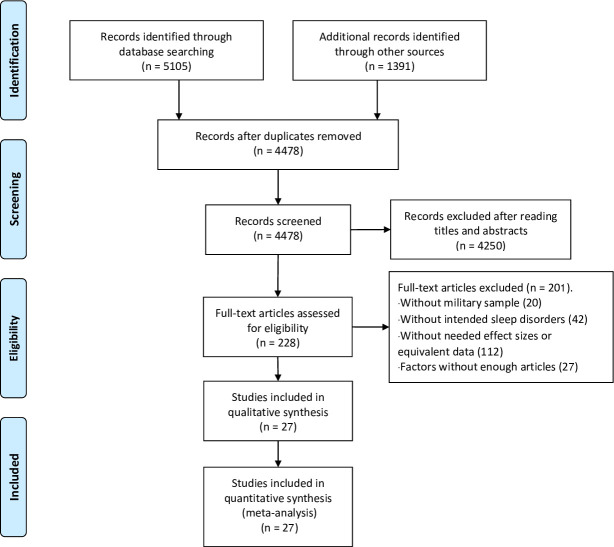
Methods: A systematic literature search was performed from inception to March 2021 and 6496 records were produced. Two authors independently screened records for eligibility. Results were presented as odds ratios, and a random-effect model was used to pool results. Data analysis was performed respectively according to military personnel type (i.e., veteran, active-duty personnel). Risk factors were sorted into three categories: sociodemographic, army-specific, and comorbidity. This meta-analysis was registered in PROSPERO before data analysis (registration No: CRD42020221696).
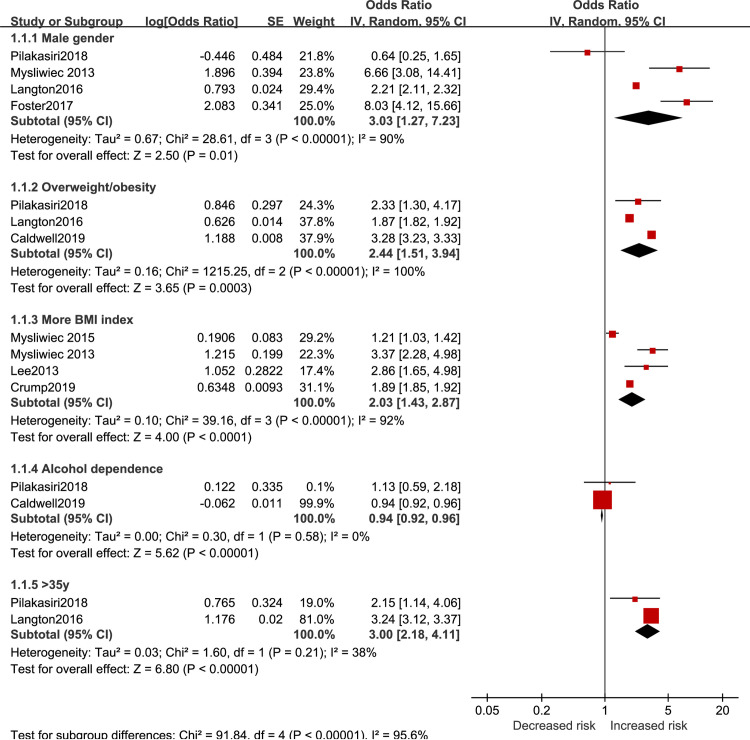
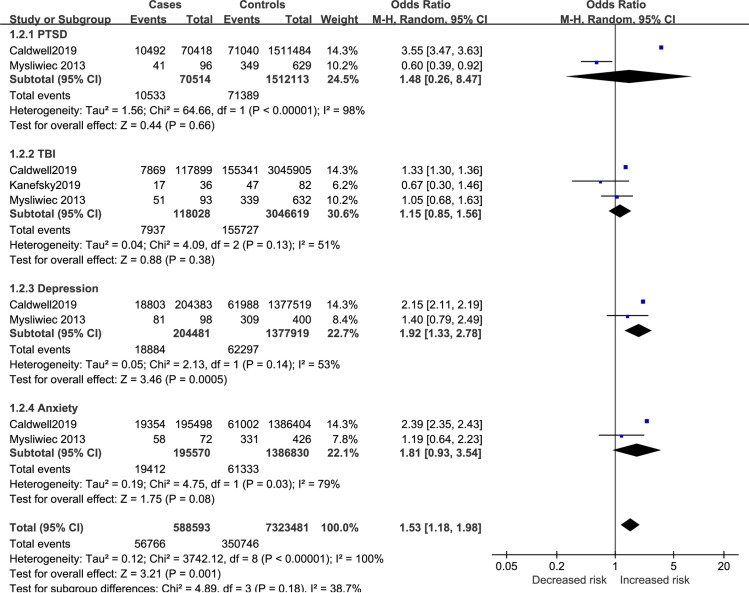
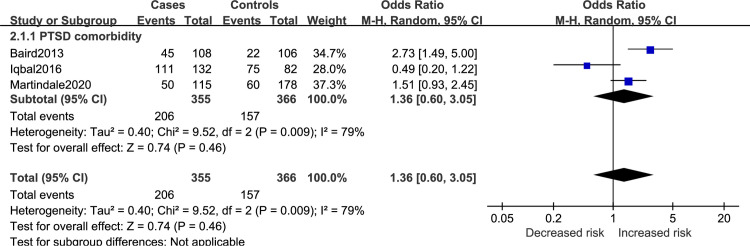
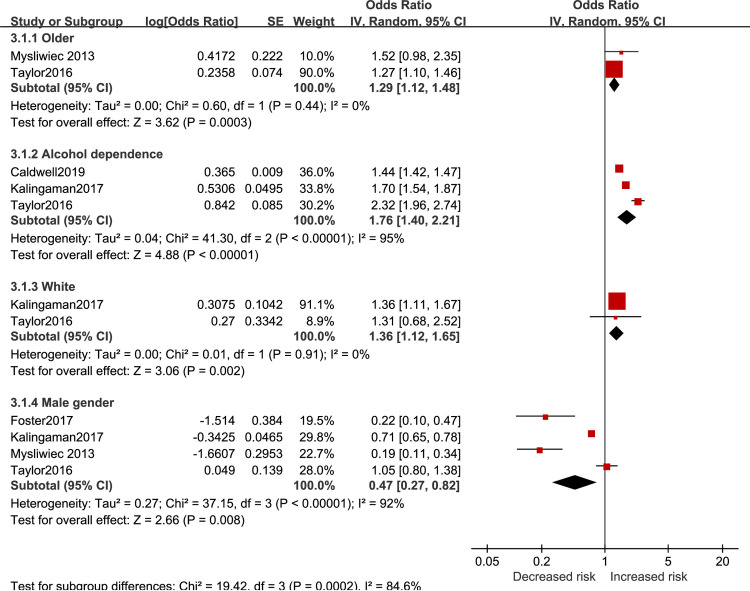
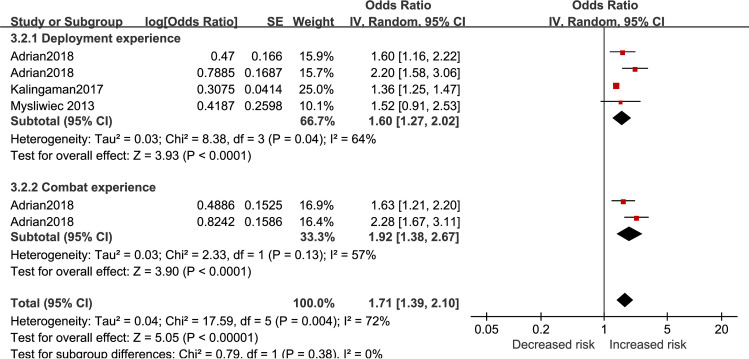
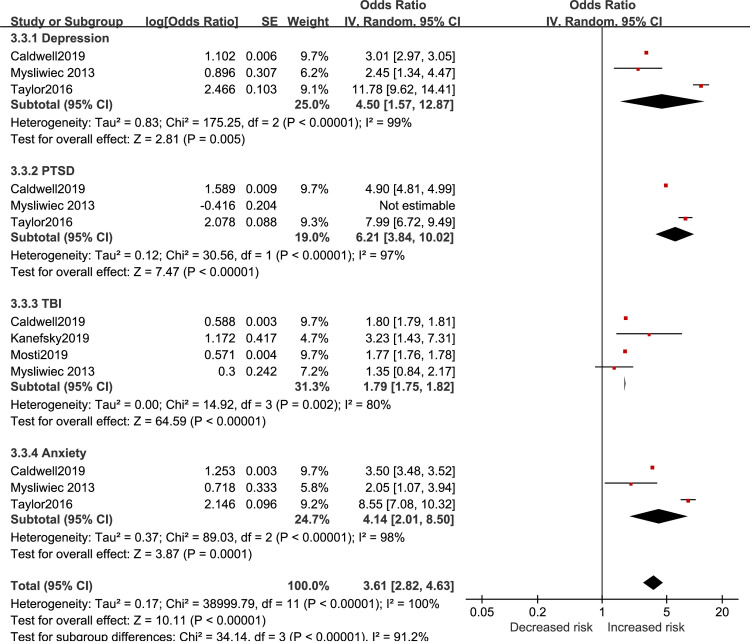
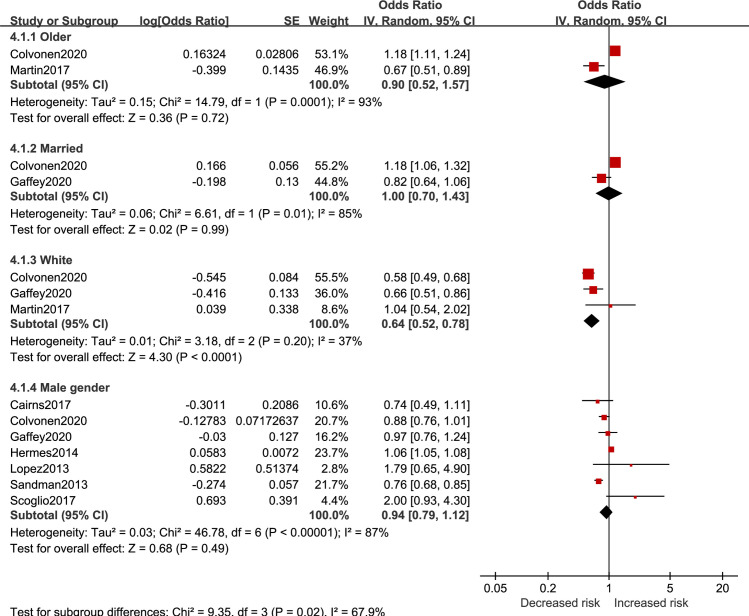
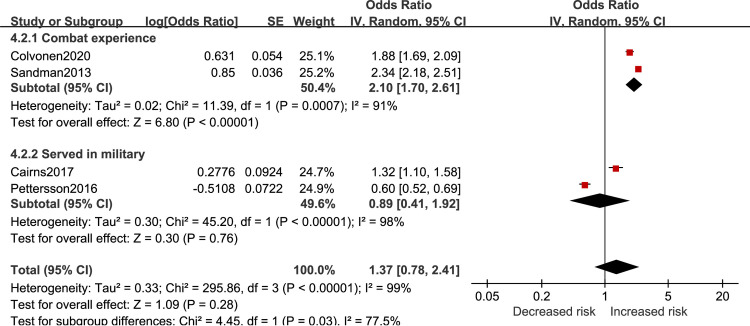
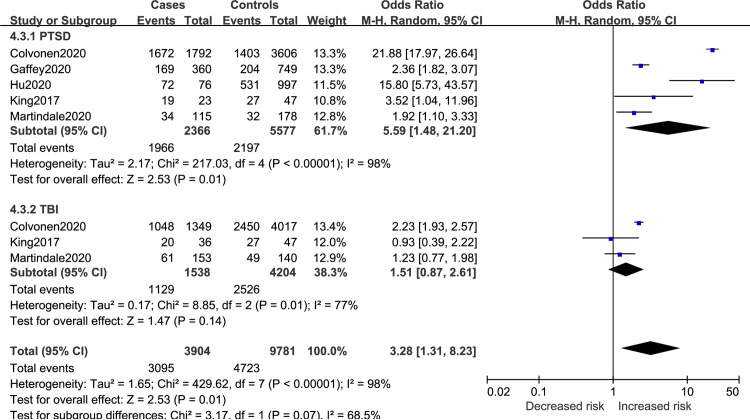
Results: Twenty-seven articles were finally included in the quantitative analysis. For sleep-disordered breathing in active-duty personnel, four sociodemographic (i.e., overweight/obesity, higher body mass index, male gender, >35 years old) and one comorbidity (i.e., depression) risk factors were identified. For insomnia in active-duty personnel, four sociodemographic (i.e., aging, alcohol dependence, white race, and female gender), two army-specific (i.e., deployment experience, combat experience), and four comorbidity (i.e., depression, post-traumatic stress disorder, traumatic brain injury, and anxiety) risk factors were identified. For insomnia in veterans, one army-specific (i.e., combat experience) and one comorbidity (i.e., post-traumatic stress disorder) risk factor was identified.
Conclusions: Several risk factors were identified for insomnia and sleep-disordered breathing in the current meta-analysis. Risk factors for veterans and active-duty personnel were partially different. Research on sleep breathing disorders remains limited, and more convincing evidence would be obtained with more relevant studies in the future.
Conflict of interest statement
The authors have declared that no competing interests exist.
Figures
References
-
- Jones DM, Bailey SP, Roelands B, Buono MJ, Meeusen R. Cold acclimation and cognitive performance: A review [Internet]. Vol. 208, Autonomic Neuroscience: Basic and Clinical. Elsevier B.V.; 2017. [cited 2020 Nov 18]. p. 36–42. Available from: https://pubmed.ncbi.nlm.nih.gov/29158117/ - PubMed
-
- Gauer R, Army W, Bragg F, Carolina N, Meyers BK. Heat-Related Illnesses. Am Fam Physician [Internet]. 2019. April 15 [cited 2020 Nov 18];99(8):482–9. Available from: https://pubmed.ncbi.nlm.nih.gov/30990296/ - PubMed
-
- Shattuck NL, Matsangas P. Operational assessment of the 5-h on/10-h off watchstanding schedule on a US Navy ship: sleep patterns, mood and psychomotor vigilance performance of crewmembers in the nuclear reactor department. Ergonomics [Internet]. 2016. May 3 [cited 2021 Feb 16];59(5):657–64. Available from: https://pubmed.ncbi.nlm.nih.gov/26360772/ 10.1080/00140139.2015.1073794 - DOI - PubMed
-
- Carskadon MA. Patterns of sleep and sleepiness in adolescents [Internet]. Vol. 17, Pediatrician. Pediatrician; 1990 [cited 2021 Feb 16]. p. 5–12. Available from: https://pubmed.ncbi.nlm.nih.gov/2315238/ - PubMed
Publication types
MeSH terms
LinkOut - more resources
Full Text Sources
Other Literature Sources
Medical
